

Book
Shakin' Up Race and Gender
Intercultural Connections in Puerto Rican, African American, and Chicano Narratives and Culture (1965-1995)
Marta E. Sánchez
University of Texas Press · Print & ebook · January 1, 2006
Reading lane: Hispanic American Lit Crit
The second phase of the civil rights movement (1965-1973) was a pivotal period in the development of ethnic groups in the United States.
At a Glance
Who It's For
Book Details
- Authors
- Marta E. Sánchez
- Publisher
- University of Texas Press
- Published
- January 1, 2006
- Format
- Print & ebook
- Theme
- Hispanic American Lit Crit · Caribbean & Latin American Studies
- Reading lane
- Hispanic American Lit Crit
Affinity
Publisher Categories
Black Lit Crit
Hispanic American Lit Crit
About This Book
The second phase of the civil rights movement (1965-1973) was a pivotal period in the development of ethnic groups in the United States. In the years since then, new generations have asked new questions to cast light on this watershed era. No longer is it productive to consider only the differences between ethnic groups; we must also study them in relation to one another and to U.S. mainstream society. In "Shakin' Up" Race and Gender , Marta E. Sánchez creates an intercultur...
Read full description
Similar Books

Revolutionary Masculinity and Racial Inequality
Bonnie A. Lucero · University of New Mexico Press
Affinity signal
Cuban History
Caribbean & Latin American Studies

US According to Them
Ligia T. Domenech · University Press of Mississippi
Affinity signal
Caribbean & Latin American Studies
Hispanic American Lit Crit

Walk the Barrio
Cristina Rodriguez, Cristina Rodríguez · University of Virginia Press
Affinity signal
Hispanic American Lit Crit
Caribbean & Latin American Criticism
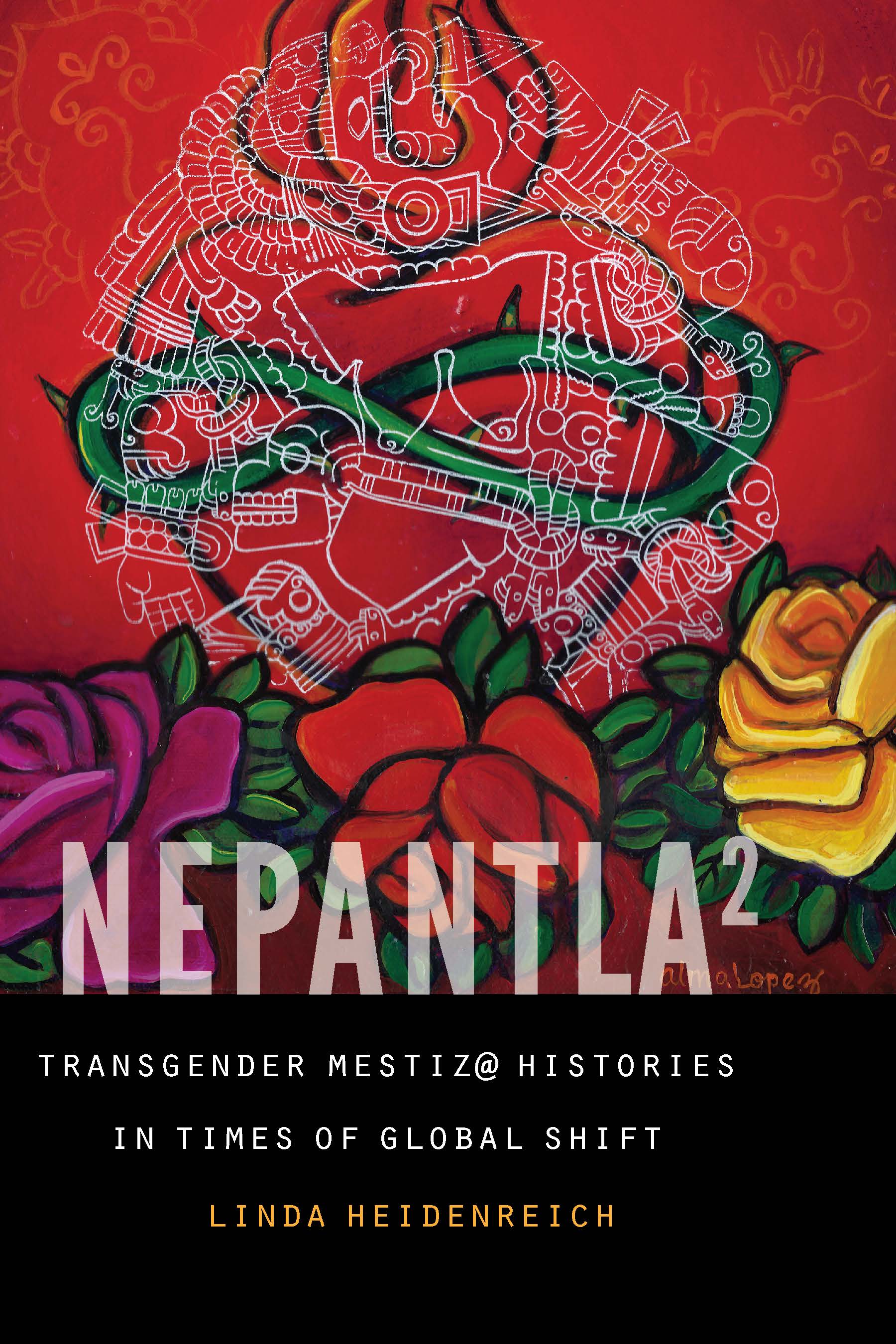
Nepantla Squared
Linda Heidenreich · Nebraska
Affinity signal
Transgender Studies
Hispanic American Lit Crit

Buenas Noches, American Culture
María DeGuzmán · Indiana University Press
Affinity signal
Hispanic American Lit Crit
Caribbean & Latin American Criticism