
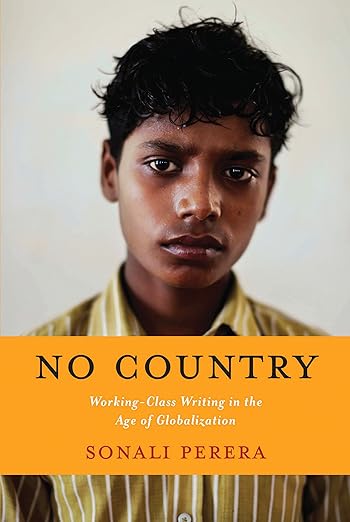
Book
No Country
Working-class Writing in the Age of Globalization
Sonali Perera
Columbia University Press · Print & ebook · May 22, 2018
Reading lane: African Literary Criticism
Can there be a novel of the international working class despite the conditions and constraints of economic globalization?
Disclosure: Some outbound links are affiliate links. If you buy through them, we may earn a commission. It doesn't affect which books we include. Learn more in our disclosure policy.
At a Glance
Who It's For
Book Details
- Authors
- Sonali Perera
- Publisher
- Columbia University Press
- Published
- May 22, 2018
- Format
- Print & ebook
- Theme
- African Literary Criticism · Indic Literary Criticism
- Reading lane
- African Literary Criticism
Affinity
Publisher Categories
Feminist Literary Criticism
African Literary Criticism
Indic Literary Criticism
About This Book
Can there be a novel of the international working class despite the conditions and constraints of economic globalization? What does it mean to invoke working-class writing as an ethical intervention in an age of comparative advantage and outsourcing? No Country argues for a rethinking of the genre of working-class literature. Sonali Perera expands our understanding of working-class fiction by considering a range of international texts, identifying textual, political, and his...
Read full description
Similar Books
Untouchable Fictions
Toral Jatin Gajarawala · Fordham University Press
Shared affinity
African Literary Criticism
Indic Literary Criticism
Asian American Literary Criticism

Tribal Theory in Native American Literature
Penelope Myrtle Kelsey · Nebraska Paperback
Shared affinity
Affinity match is still building for this title.
Unfastened
Eleanor Ty · University of Minnesota Press
Shared affinity
African Literary Criticism

Imagining India in Modern China
Gal Gvili · Columbia University Press
Shared affinity
African Literary Criticism
Prose of the World
Saikat Majumdar · Columbia University Press
Shared affinity
Affinity match is still building for this title.
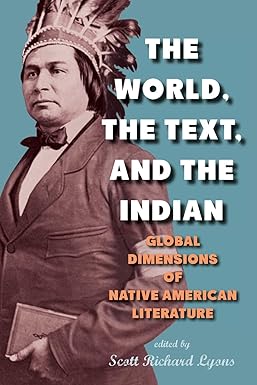
The World, the Text, and the Indian
Scott Richard Lyons · State University of New York Press
Shared affinity
African Literary Criticism
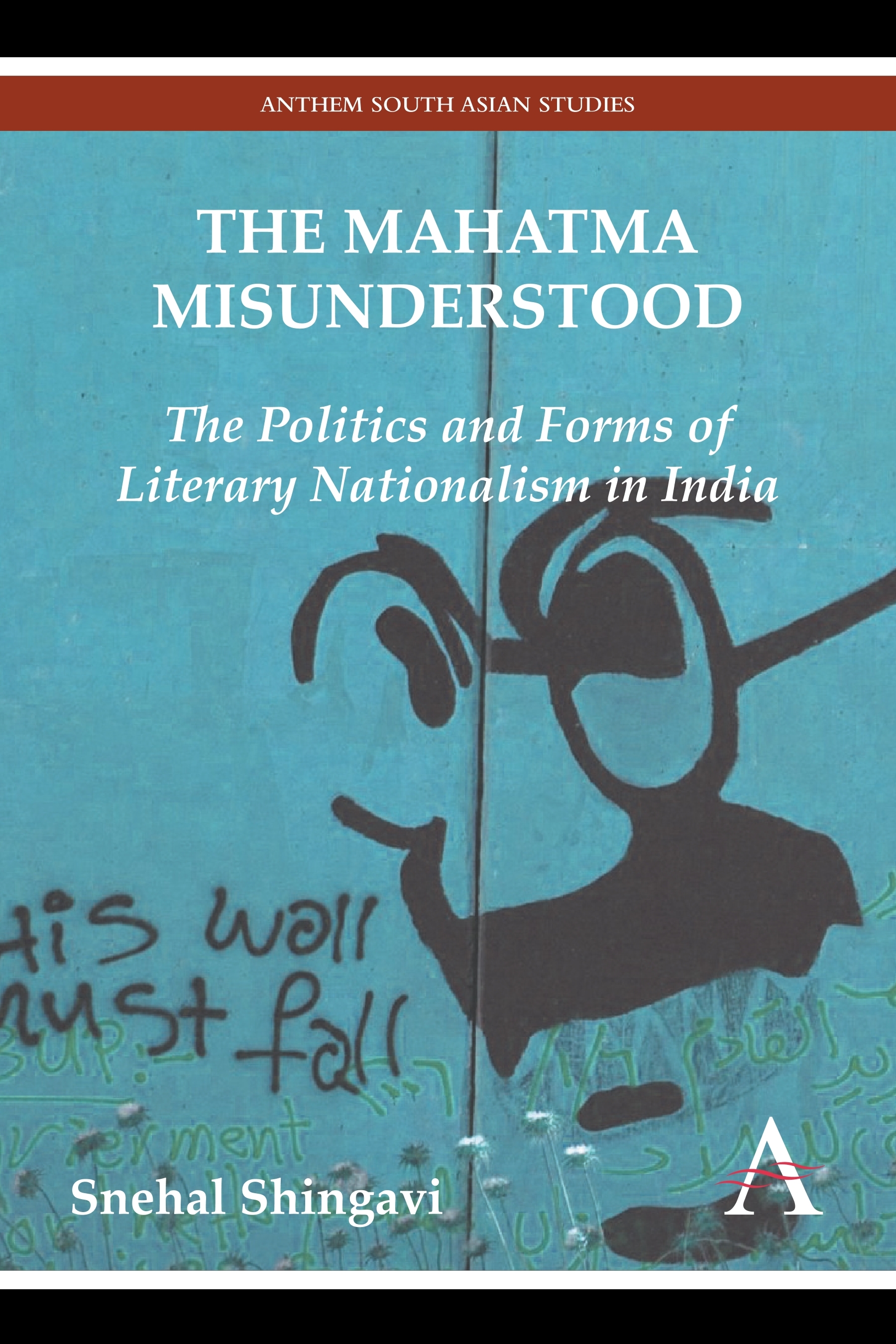
The Mahatma Misunderstood
Snehal Shingavi · Anthem Press
Shared affinity
Affinity match is still building for this title.
Postliberalization Indian Novels in English
Aysha Iqbal Viswamohan · Anthem Press
Shared affinity
Affinity match is still building for this title.