

Book
Episodic Poetics
Politics and Literary Form After the Constitution
Matthew Garrett
Oxford University Press · Print & ebook · May 15, 2018
Reading lane: Regional American Literature
The early United States was a culture of the episode.
At a Glance
Who It's For
Book Details
- Authors
- Matthew Garrett
- Publisher
- Oxford University Press
- Published
- May 15, 2018
- Format
- Print & ebook
- Theme
- Regional American Literature
- Reading lane
- Regional American Literature
Affinity
Publisher Categories
Regional American Literature
About This Book
The early United States was a culture of the episode. In Episodic Poetics, Matthew Garrett merges narrative theory with social and political history to explain the early American fascination with the episodic, piecemeal plot. Since Aristotle's Poetics, the episode has been a vexed category of literary analysis, troubling any easy view of the subsumption of unwieldy narrative parts into well-plotted wholes. Garrett puts forward a new, dialectical theory of episodic form to re...
Read full description
Similar Books

The American Sentence
Ira Nadel, Ira B. Nadel · Bloomsbury Academic
Affinity signal
Creative Writing

Longing for Connection
Andrew Burstein · Johns Hopkins University Press
Affinity signal
Colonial America (to 1775)
19th-Century America

American Literary Misfits
D. Berton Emerson · The University of North Carolina Press
Affinity signal
American Lit Crit
Politics in Literature

The Lyric Theory Reader
Virginia Jackson, Yopie Prins · Johns Hopkins University Press
Affinity signal
Poetry Writing
20th-Century Literary Criticism
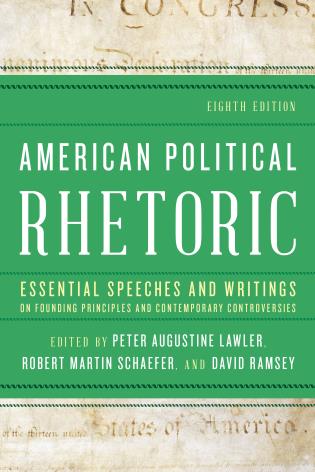
American Political Rhetoric
Peter Augustine Lawler, Robert Martin Schaefer · Bloomsbury Academic
Affinity signal
Politics & Government
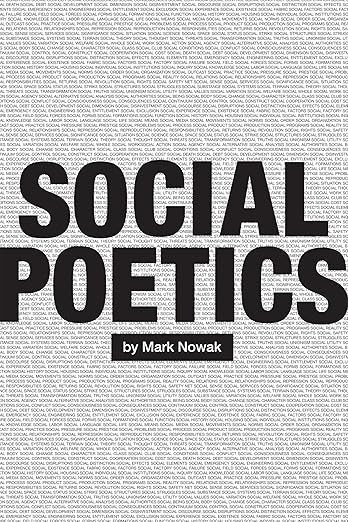
Social Poetics
Mark Nowak · Coffee House Press
Affinity signal
21st Century Literature
Politics in Literature

After Emerson
John T. Lysaker · Indiana University Press
Affinity signal
Pragmatism

The Common Mind: an Essay on Psychology, Society, and Politics With a New Postscript
Philip Pettit · Oxford University Press
Affinity signal
What We Can Know