

Book
The Common Mind: an Essay on Psychology, Society, and Politics With a New Postscript
Philip Pettit
Oxford University Press · Print & ebook · March 1, 1986
Reading lane: What We Can Know
A Philosophy pick for readers exploring The Common Mind: an Essay on Psychology, Society, and Politics With a New Postscript.
At a Glance
Who It's For
Book Details
- Authors
- Philip Pettit
- Publisher
- Oxford University Press
- Published
- March 1, 1986
- Format
- Print & ebook
- Theme
- What We Can Know
- Reading lane
- What We Can Know
Affinity
- 100%
Publisher Categories
What We Can Know
About This Book
What makes human beings intentional and thinking subjects? How does their intentionality and thought connect with their social nature and their communal experience? How do the answers to these questions shape the assumptions which it is legitimate to make in social explanation and political evaluation? These are the broad-ranging issues which Pettit addresses in this novel study. The Common Mind argues for an original way of marking off thinking subjects, in particular human...
Read full description
Similar Books

The Sane Society
Erich Fromm · Henry Holt and Co.
Affinity signal
Social Theory
Humanistic Approaches
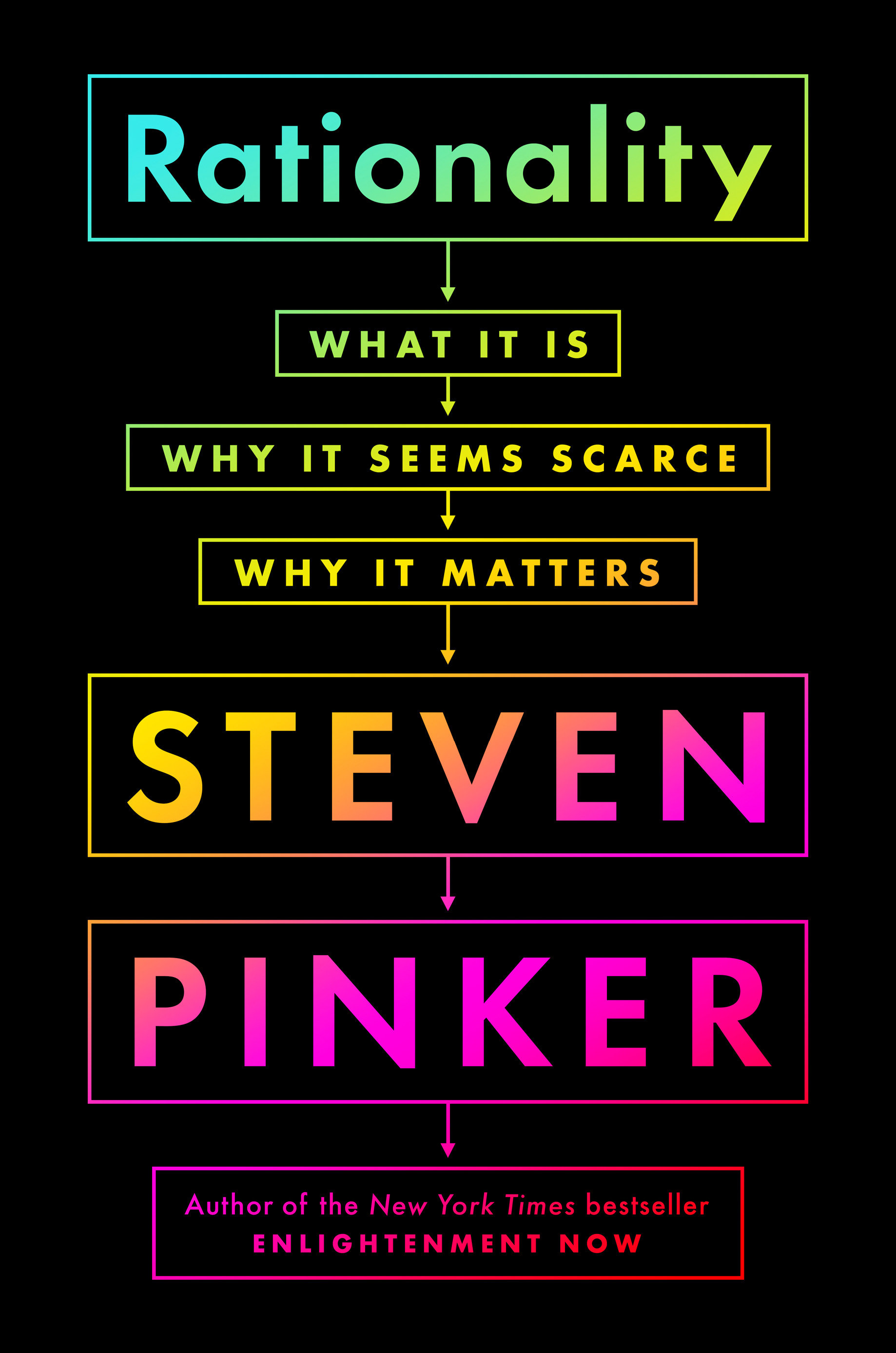
Rationality
Steven Pinker · Penguin Publishing Group
Affinity signal
Social Theory
Behavioral Psychology

The Philosophy of Social Ecology
Murray Bookchin, Todd McGowan - afterword · AK Press
Affinity signal
Anarchism
Social Theory

When Everyone Knows That Everyone Knows . . .
Steven Pinker, Fred Sanders · Scribner
Affinity signal
Social Theory
Economic Theory
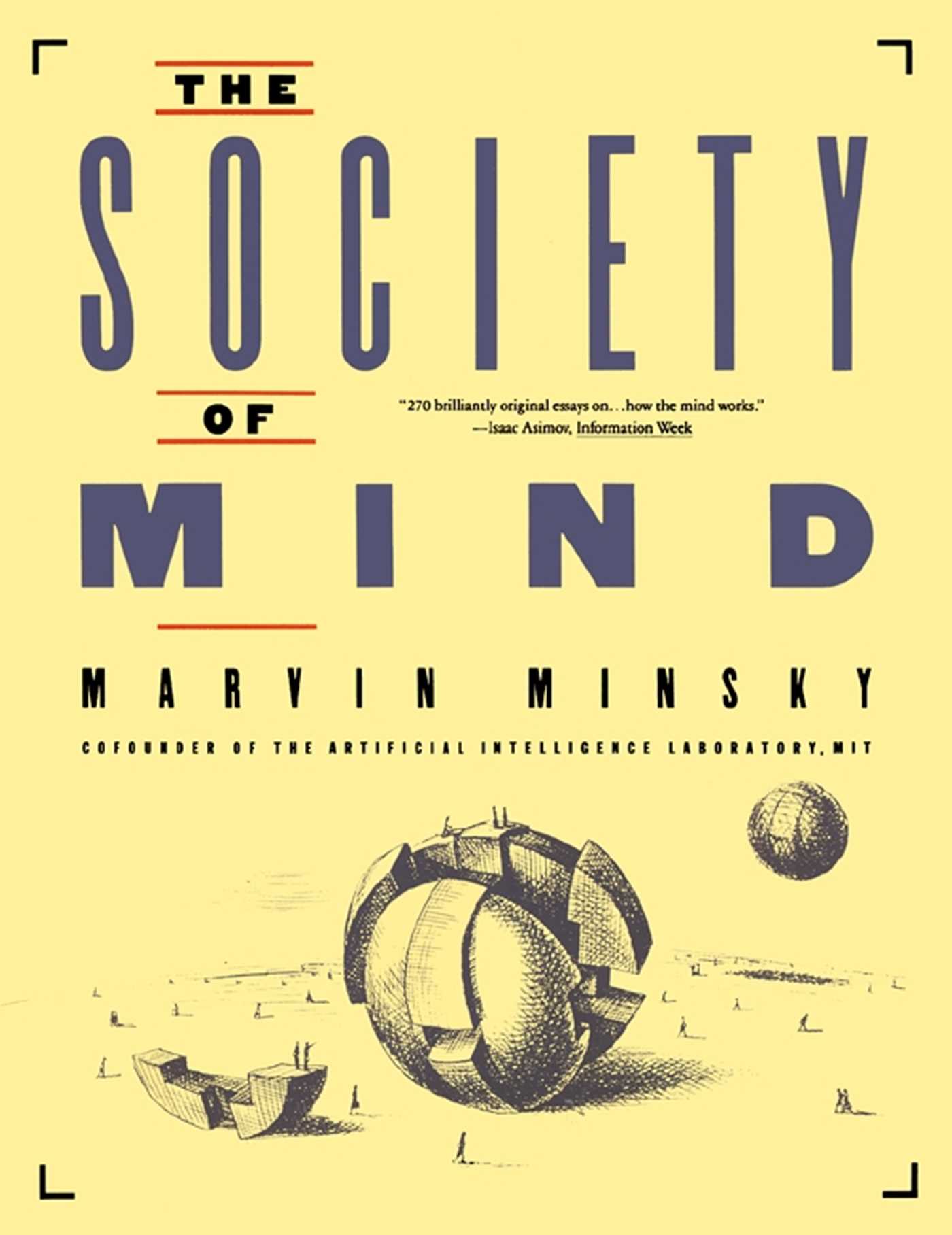
Society of Mind
Marvin Minsky · Simon & Schuster
Affinity signal
Human-Computer Interaction
Social Theory