When the Recall Is About a Vitamin You Cannot See
Picture the moment you flip the bag over in the kitchen, squinting at a recall notice on your phone while your dog sits expectantly by the bowl.
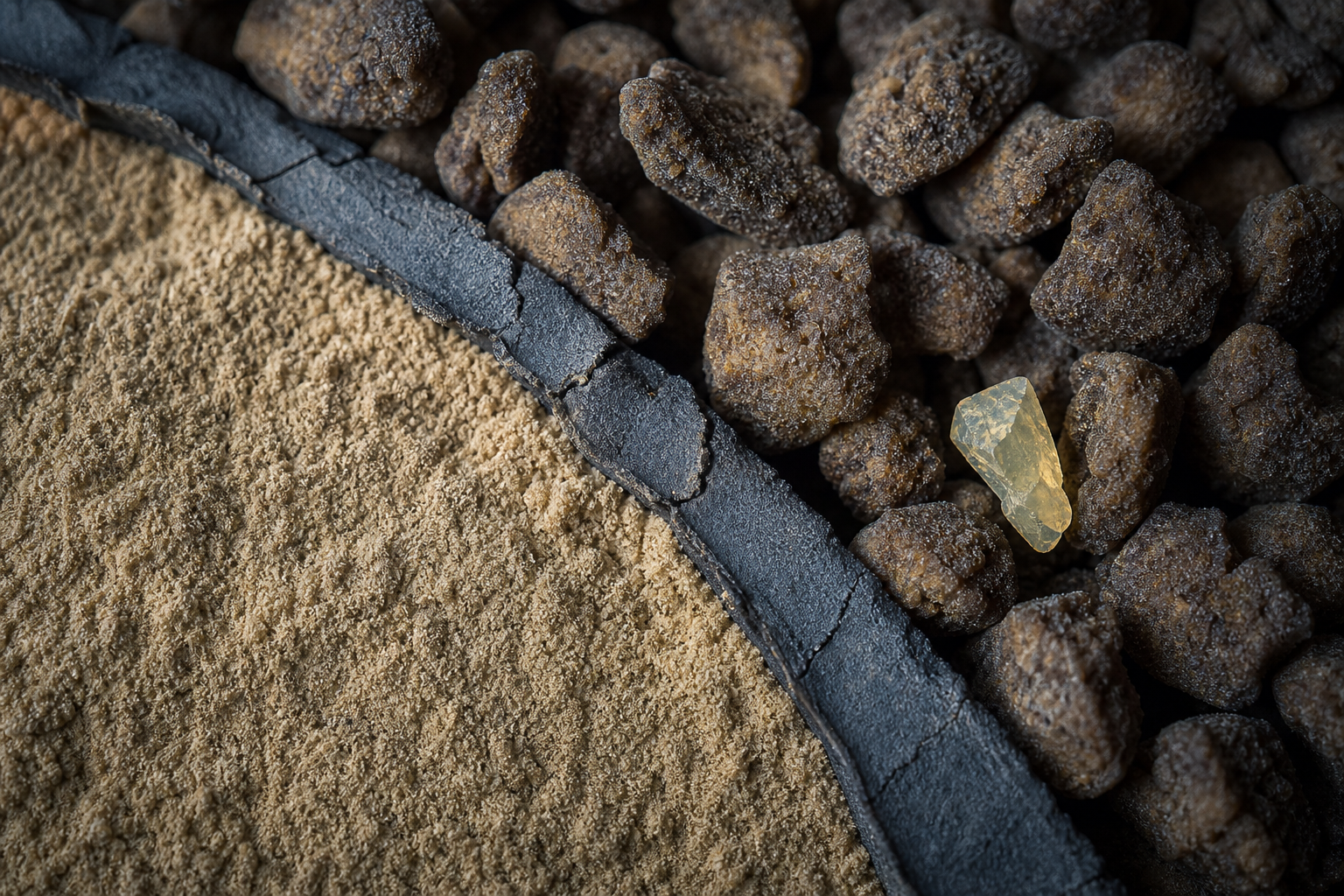
Picture the moment you flip the bag over in the kitchen, squinting at a recall notice on your phone while your dog sits expectantly by the bowl. The Steve's Real Food recall, which Go Raw widened in 2026 to cover a lot of its Freeze-Dried Chicken Recipe, turns on a single unglamorous nutrient: thiamine, also called vitamin B1. The FDA flagged levels that ran too low. Thiamine is the kind of thing you ignore completely until a label suggests it might be missing, at which point it crowds out every other thought. A shortfall hits the nervous system and metabolism, so the stakes go well past picky-eater territory. The headline hands you the what. The harder question is the one standing at the bowl, tail going, waiting for an answer you suddenly do not have.
The reflex is to treat a recall as a bad-batch problem, solvable by switching brands until you land on one you trust. That works only when the label tells you everything you need to know. A thiamine shortfall in a freeze-dried product is exactly the kind of failure a busy owner cannot see, taste, or smell. You are trusting a number printed by someone else, checked on a schedule you do not control. The real question is not which product to buy next. It is whether you understand canine nutrition well enough to weigh any food, commercial or homemade, against what a dog's body actually requires. Without that, every recall drops you back to the same anxious shrug in front of the shelf.
Lew Olson and Christie Keith have spent more than thirty years working through exactly this question, and their revised edition treats home feeding as a skill an ordinary person can learn. The book lays out recipes, measurement charts, and feeding guidelines sorted by body weight. The premise is plain: once you know why each ingredient earns its spot, you can judge a meal yourself instead of deferring to whatever the packaging claims. Thiamine explains a lot about why that premise matters right now. It is water-soluble, so a dog stores very little and needs a steady supply at every meal.
Processing and storage can degrade it, which is one reason a freeze-dried product can test low even when the bag looks and smells fine. Olson and Keith trace where thiamine actually comes from in a working diet and how to keep it on the plate, so a recall becomes a variable you can account for instead of a small panic. The guidance widens past healthy adult dogs into territory most owners reach eventually. There are adjustments for puppies and senior dogs, and for animals managing pancreatitis, renal trouble, and gastric issues. That range pays off because the dogs most vulnerable to a missing nutrient are often the ones already on a careful diet, where one absent piece costs the most.
I will register one honest hesitation. A book that hands you the confidence to formulate meals also hands you the responsibility to get them right, and balance is unforgiving across months rather than across a single dinner. Olson and Keith clearly know this, which is why the text leans on charts and ratios instead of cheerleading. The distance between reading a recipe and cooking it the same way for two years is real, and anyone going this route should plan to keep measuring long after the novelty wears off. The book's strongest move is treating you as someone capable of doing the math rather than a buyer waiting to be reassured.
The recall coverage tells you a product failed a thiamine test. This text gives you enough working knowledge to ask the next question: what a complete meal looks like, and how you would assemble one when a familiar product vanishes from your rotation. Going from trusting a label to reading the nutrition behind it is the entire payoff.
A recall always lands as a headline, blunt and a little frightening, with your dog standing there indifferent to the news cycle. What you do in the next forty seconds depends on whether you understand the nutrient in question or are simply hoping the replacement brand has it handled. Olson and Keith's book offers to close that distance, one charted recipe at a time. If feeding your dog has started to feel like an act of trust you would rather swap for understanding, this is a sound place to start.
Why this book
If the recall has you eyeing ingredient panels with fresh suspicion, the useful next step is learning what those panels are supposed to add up to. Begin with the body-weight feeding charts to pin down your dog's actual requirements, then read the section on water-soluble vitamins so thiamine becomes a quantity you can picture rather than a line in an FDA bulletin. You do not have to give up commercial food to get value here. Even if you keep buying freeze-dried meals, knowing what completeness demands helps you catch the moment a product's claims outrun its contents. The book works best as a kitchen reference you keep coming back to. Mark the charts for your dog's size and stage, and treat the next recall notice as information you can read rather than a verdict you accept on faith.
Bridges by email
A news story and the book that goes with it, whenever we publish one.