
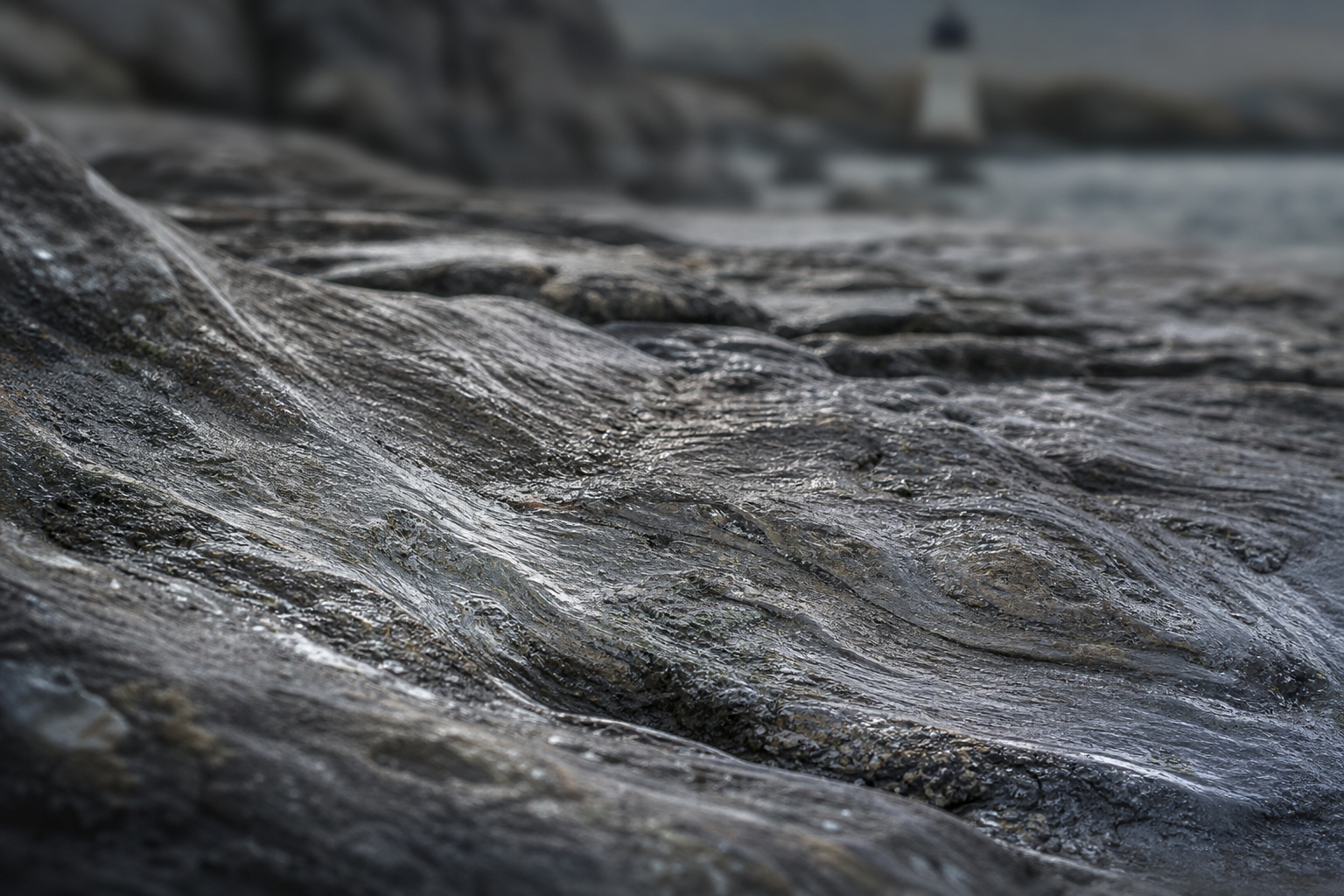
On a blustery morning in mid-May 2026, two dozen people stepped off a large boat onto a smaller one, then onto a rocky island in the middle of Lynn Canal. The occasion was the first public opening of Alaska's oldest original lighthouse, a structure that has been keeping its own counsel since long before most of the people climbing onto that rock were born. The headline writes itself: a sealed place is unsealing. Underneath that headline is a quieter sensation, the one that comes from being among the first outsiders allowed to stand somewhere a few people once knew intimately and almost nobody knows now. That sensation has a literature, mostly written by people who watched the same thing happen to other corners of Alaska decades earlier. The lighthouse story is a doorway into the room, not the room itself.
Coverage of Alaska's opening-up tends to track logistics: ferry schedules, permit lotteries, restoration budgets, the cheerful arithmetic of visitor numbers. Left out is the population already there, or recently there, whose daily life set the terms of the place before anyone thought to sell tickets. Lighthouse keepers, trappers, fish-camp families, the Athabascan communities who predate all of it. They show up in news pieces as background color or as quotes near the bottom. The mechanism that quietly clears them out, usually some mix of federal land designation and changing access rules, almost never makes the story at all. So you get a strange flattening. A place becomes visitable at roughly the moment it stops being lived in the old way, and the visiting gets framed as discovery. The signal worth tracking is who was asked to leave first.
Dan O'Neill's A Land Gone Lonesome puts a square-sterned canoe in the Yukon River at Dawson City and drifts toward Circle, letting the current set the pace. That choice matters. A motor would have made it a survey; the drift makes it a series of unhurried visits with the handful of people still living along that stretch by trapline, garden, and woodstove. These are the last working members of an upper-Yukon subsistence culture, and the force closing them out is not weather or markets. It is federal land policy, specifically the rules that came with turning the surrounding country into a preserve.
Cabins cannot be passed to children. Permits expire with the permit-holder. The plan, never stated this baldly in any brochure, is to let the human presence age out. What keeps the book from curdling into polemic is that O'Neill has been around these people long enough to be trusted, and the conversations show it. A man explains why he runs a particular slough. A woman talks about the year the salmon did not come. Someone describes, without drama, the calculation involved in deciding whether a bad tooth is worth a flight to Fairbanks. The candor is the argument.
Three books run alongside each other in the same hull. There is a travel narrative of a serious northern river, with the weather and gravel bars that implies. There is a natural history attentive to spruce, salmon cycles, and the mechanics of a fish wheel. And there is an ethnographic portrait that takes in gold-rush ghosts, early traders, and the long Athabascan presence that frames everything else. The book has a real weakness. O'Neill clearly likes his subjects, and the federal officials whose decisions he disputes appear mostly as memos and acronyms rather than as people with their own reasoning.
If you sympathize with wilderness preservation, you could fairly ask whether a working subsistence culture and a protected watershed can coexist at scale, or whether O'Neill is mourning an arrangement that was always going to be temporary. He does not fully engage that question, and the book is stronger as witness than as policy debate. Still, the witness is what you came for. When the last permitted cabin on a stretch of river goes quiet, the country does not return to some pristine state. It becomes a different kind of empty, the kind that tourists will eventually be ferried out to admire. If McPhee's Coming into the Country gave you the Alaska of the 1970s mid-argument with itself, O'Neill gives you the same argument a generation later, after most of the talking is done.
Read O'Neill before the 2026 ferries start running, or after, if you come back from a trip wondering why a place so full of stories felt so quiet. The Yukon stretch he describes is not Lynn Canal, and a trapper's cabin is not a lighthouse. The throughline is the small window between a place being lived in and a place being looked at, and how short that window usually is. You can stand on the rock and still think about who is no longer on the river.