General American Literary Criticism
Hemingway turns up in half these books, and each time a different critic catches him doing something new.
Optimized for books about american general.
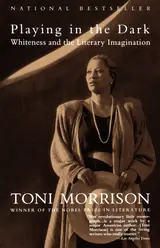
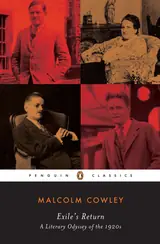
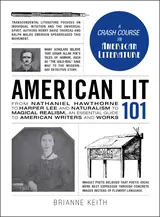
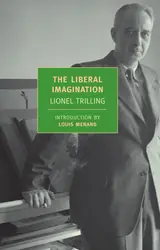
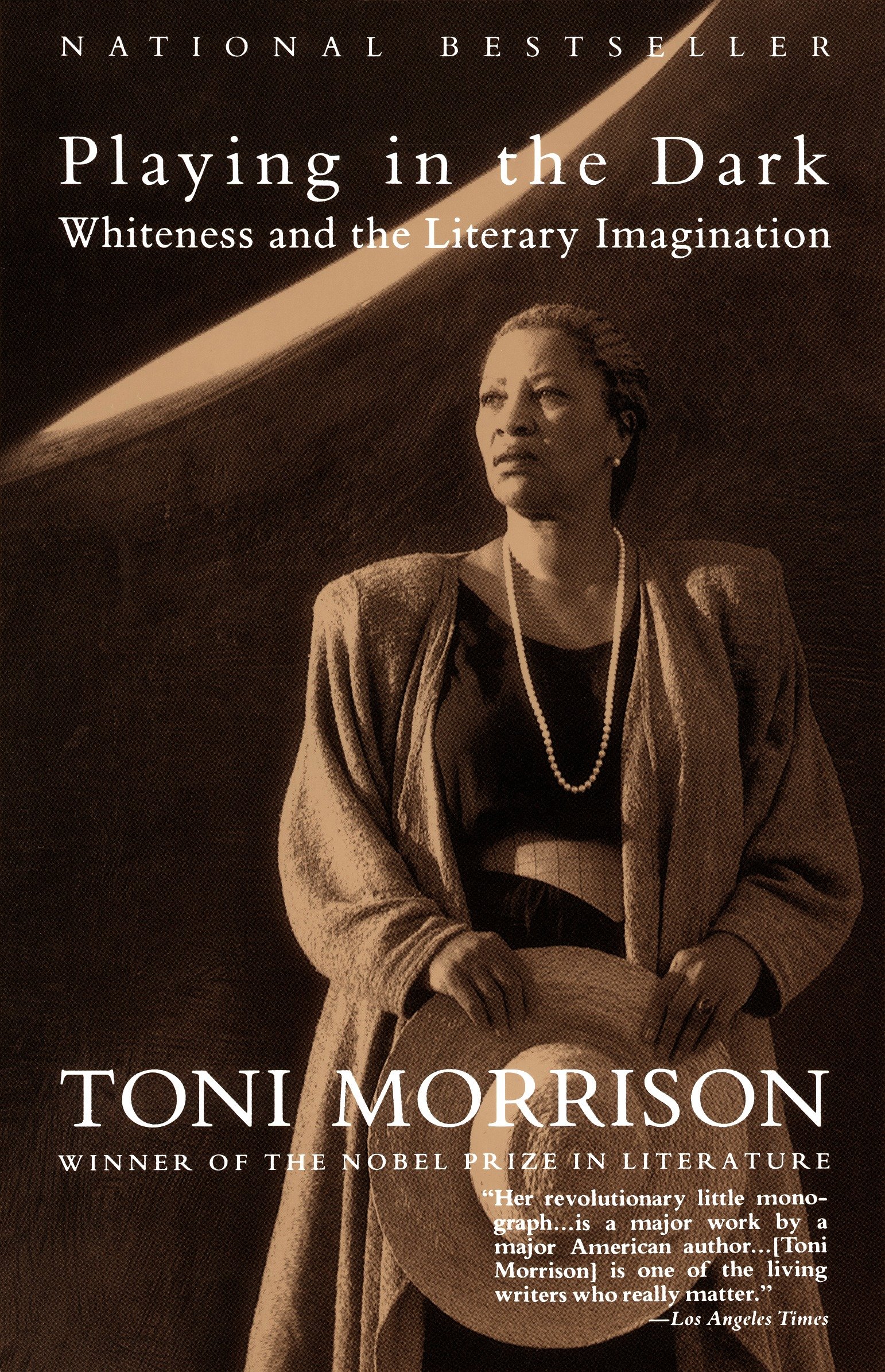
American literature looks different depending on who holds the flashlight, and these books pass it around. In Playing in the Dark, Toni Morrison shows how Poe, Melville, Cather and Hemingway leaned on a black presence to define freedom and innocence. Native American Fiction insists that Native American novels deserve to be read as literature first, not as history lessons. The Liberal Imagination brings a Cold War critic to Huckleberry Finn, Henry James and the Kinsey Report. Around them sit a portrait of the expatriate 1920s, a sweeping study of America's literary golden age and a friendly primer for newcomers. If you finish a great novel wanting to argue about it, start here.
Our reading of each book:Come here forExpectWhere it sits
Playing in the Dark
by Toni MorrisonWhat did American ideas of freedom and manhood need in order to exist? Morrison's answer: a black population that was manifestly unfree, and that white authors turned into embodiments of their own fears and desires. She tracks this "Africanist" presence through Poe, Melville, Cather and Hemingway, and the classics start to show what they were built on. After it, the whole tradition reads differently.
Come here for: Toni Morrison’s crisp, searching criticismExpect: Serious prose, not academic fogWhere it sits:Black Lit CritRace & DiscriminationAmerican Lit CritExile's Return
by Malcolm CowleyPicture the 1920s: Fitzgerald, Hart Crane, Hemingway, Wilder, Dos Passos and Malcolm Cowley himself, alienated from America and decamping for Europe. Cowley was one of them, which gives Exile's Return its insider's pulse. These prose pieces bring the lost generation's adventures and attitudes to life, braiding literary judgment with the history of how a cohort of writers came to see themselves as exiles.
Come here for: Book-club argument fuelExpect: Classics-minded essaysNative American Fiction
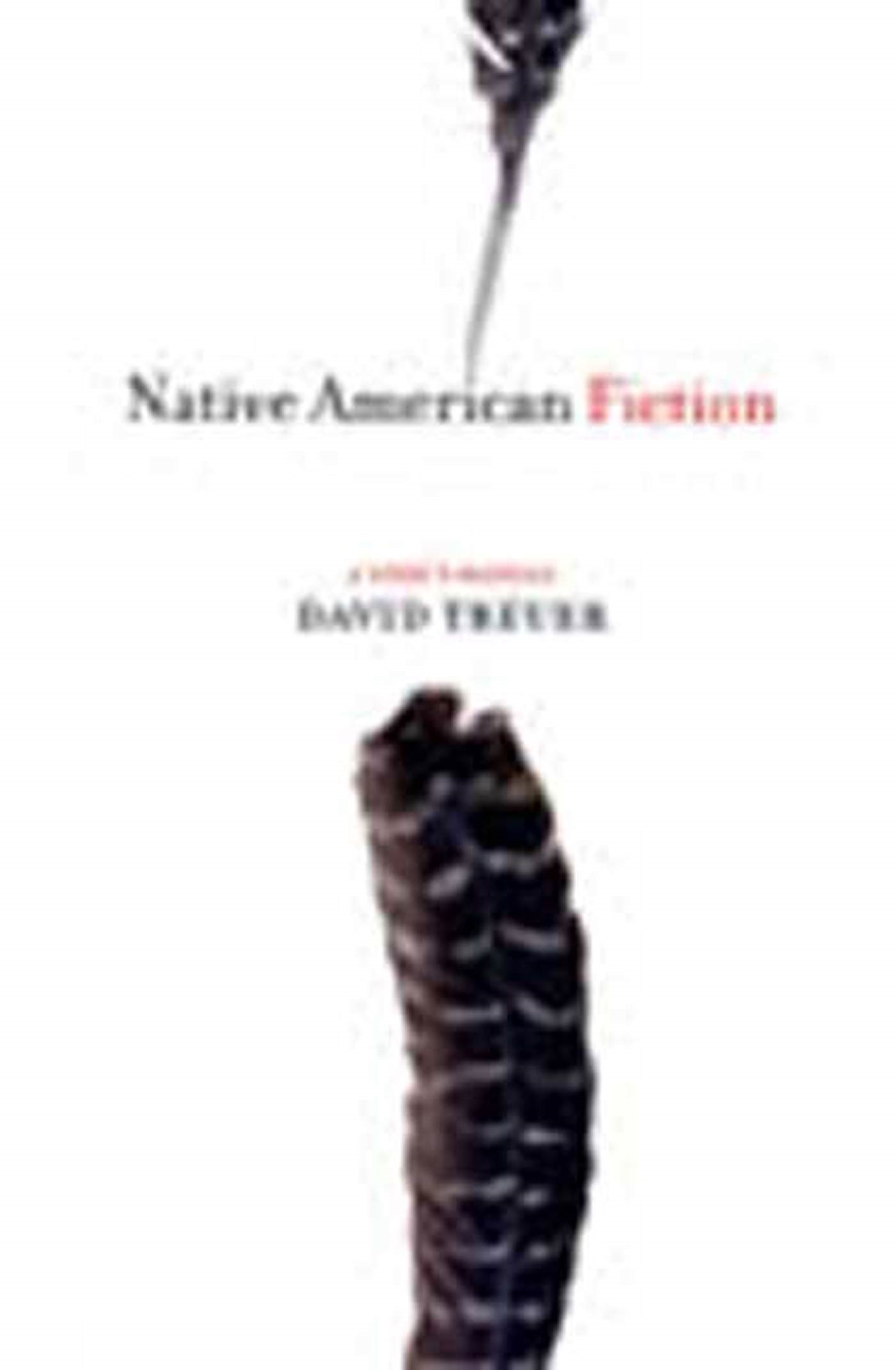
by David TreuerDavid Treuer starts from a blunt conviction: if Native American literature is worth thinking about, it's worth thinking about as literature. Too much criticism, he argues, has puddled around history and culture instead. So Native American Fiction reads Sherman Alexie, Louise Erdrich, Leslie Marmon Silko, James Welch, James Fenimore Cooper and Forrest Carter with a novelist's eye and a critic's mind: witty, speculative and built as a rallying cry for the primacy of the word.
American Lit 101
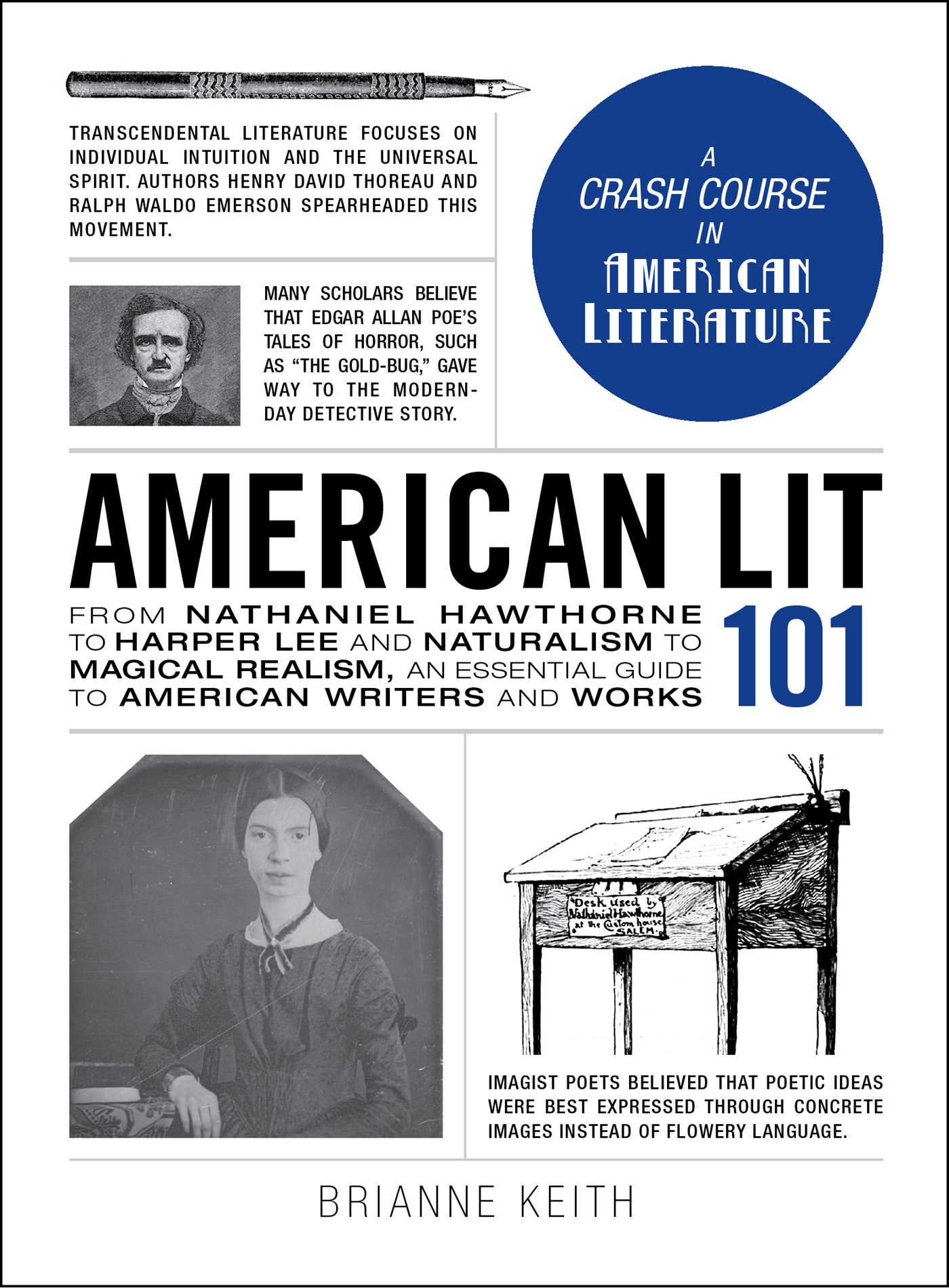
by Brianne KeithCan't quite place Poe, Thoreau, Twain and Cather on one timeline? American Lit 101 lays out American writing from colonialism to postmodernism, poetry, fiction and essays alike, with hundreds of quick tidbits and plain explanations of why each author mattered then and still matters now. It works as a first course or a refresher, and it makes an easy on-ramp before tackling heavier criticism.
On Native Grounds
by Alfred KazinSeven names anchor Alfred Kazin's tour of America's literary golden age: Howells, Wharton, Lewis, Cather, Fitzgerald, Hemingway and Faulkner. On Native Grounds is a classic interpretation of that era, the one to reach for when you want those novelists seen side by side. Kazin added a new preface, and an index makes it easy to pull down whenever a single author is on your mind.
The Liberal Imagination
by Lionel TrillingIt's 1950, the Cold War has turned chilly, and Lionel Trilling is wary of liberals with naive faith in rationality, progress and economics. The Liberal Imagination answers with the imagination, the one faculty able to reach the irreducible complexity of human motives. The essays range from Huckleberry Finn, Henry James and Fitzgerald to the Kinsey Report and money in the American imagination, from a critic both part of his society and apart from it.
Come here for: Essays and literary criticismExpect: Layered argumentsWhere it sits:American Lit CritPolitics in LiteratureEssay Collections



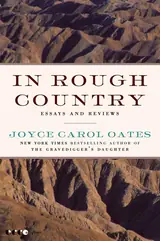
In Rough Country
by Joyce Carol OatesCome here for: Essays ranging from Poe to NabokovExpect: Criticism, essays, and reviewsWhere it sits:American Lit CritEssay CollectionsBooks & ReadingLiterary Brooklyn
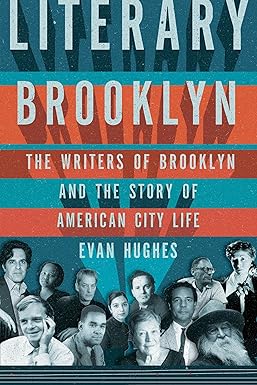
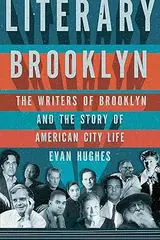
by Evan HughesCome here for: Literary biography braided with urban historyExpect: A layered tour of Brooklyn past and presentWhere it sits:Middle Atlantic HistoryAmerican Lit CritWriters' LivesWhy Read Moby-Dick?
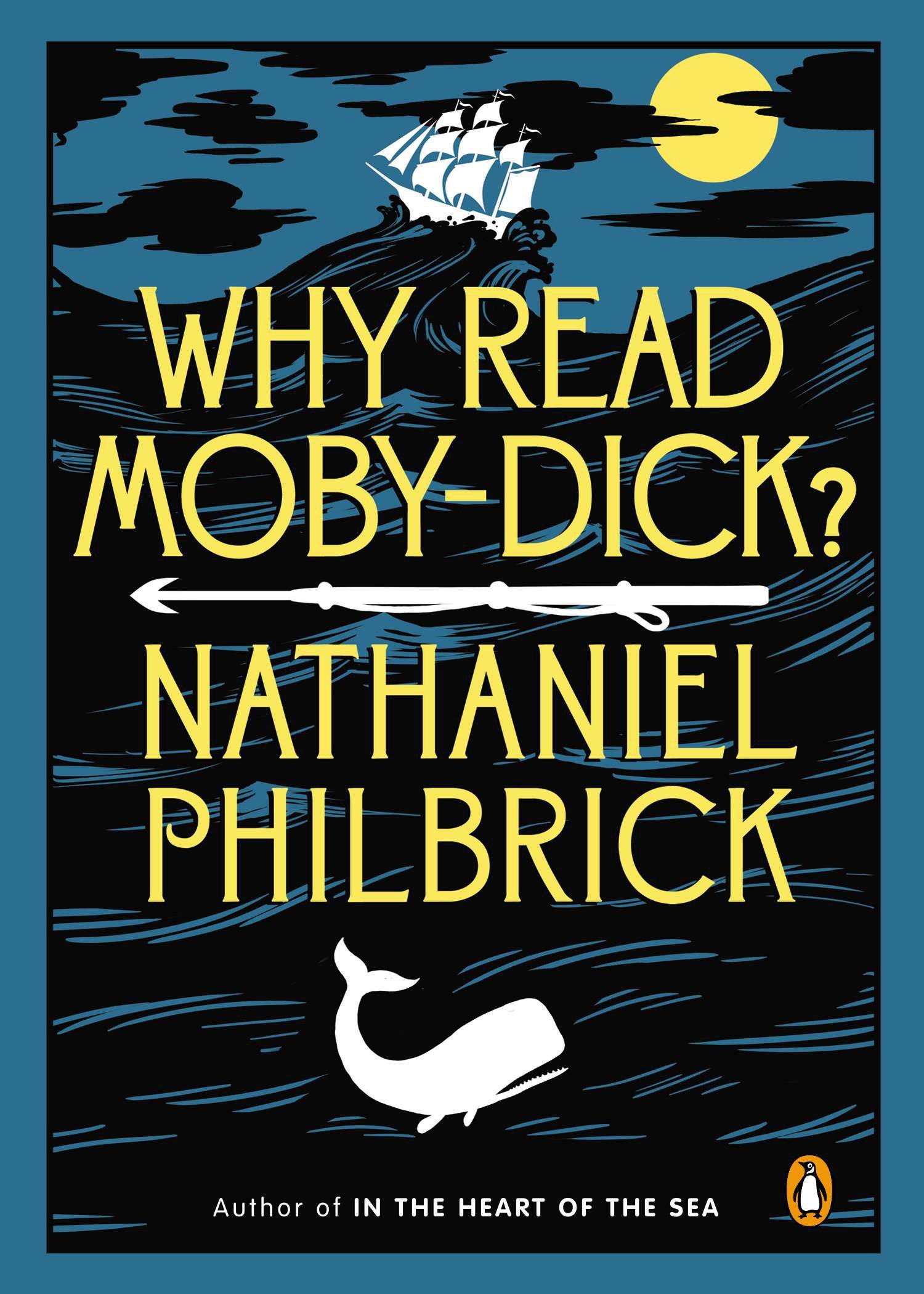
by Nathaniel PhilbrickCome here for: Moby-Dick lens, not homeworkExpect: Layered literary framingOn Reading the Grapes of Wrath
by Susan ShillinglawWhere it sits:Books & ReadingLiterature & HistoryAmerican Lit CritA Companion to Modernist Literature and Culture
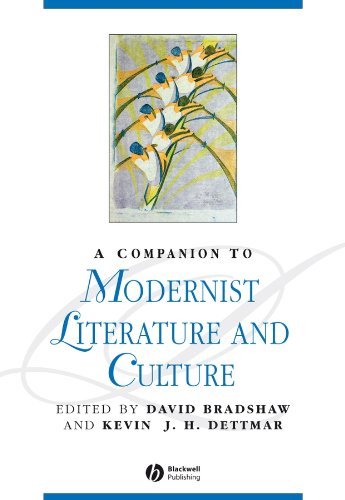
by David Bradshaw, Kevin J. H. DettmarCome here for: Entries on modernist culture and contemporary intellectual movementsExpect: More than 60 contributions from scholars of modernismRaymond Chandler
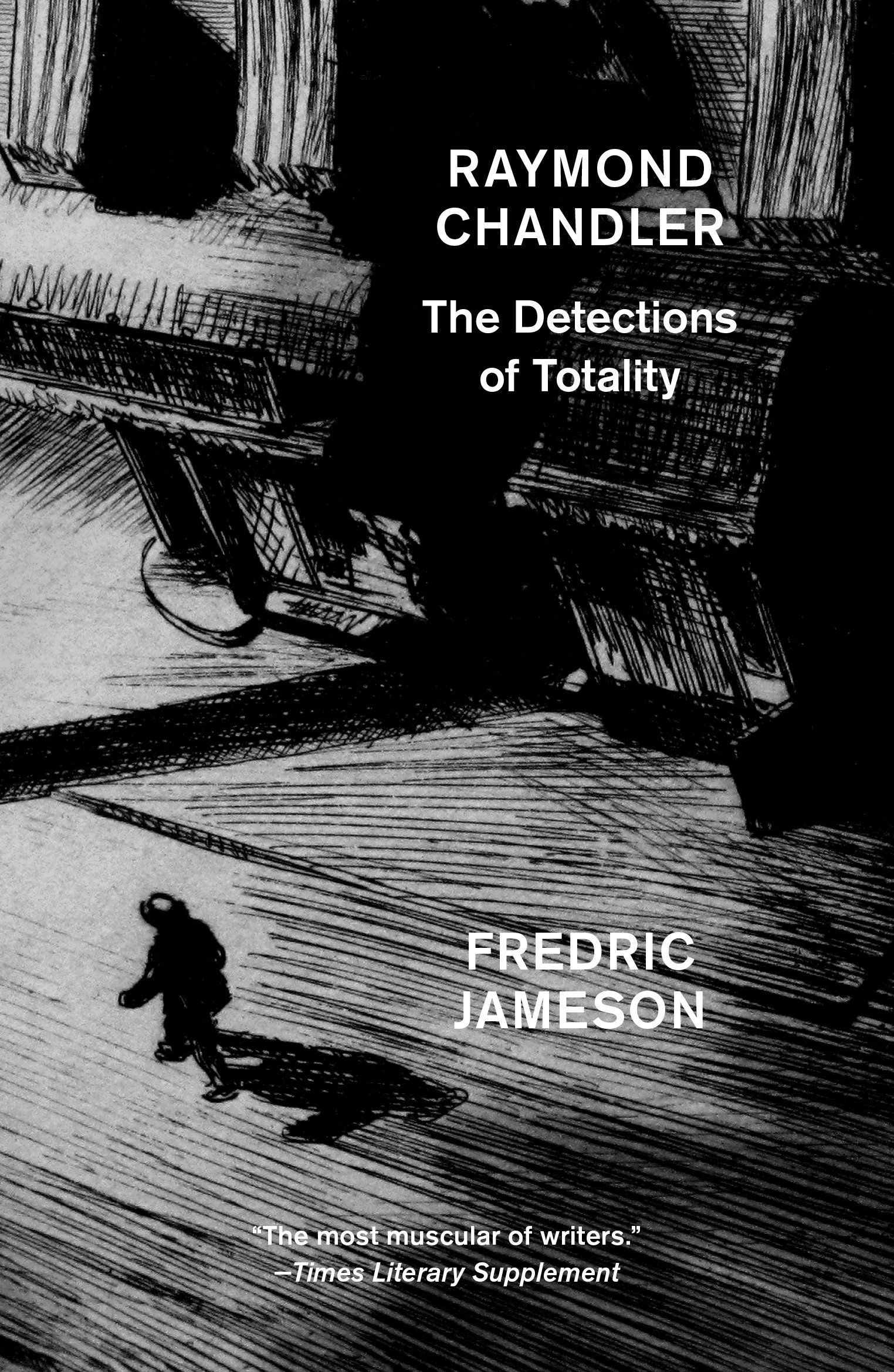
by Fredric JamesonCome here for: Chandler read through Jameson’s wide-angle lensExpect: Essayistic argument, not plot recapUpdike
by Adam BegleyCome here for: A writer’s life read alongside the work it shapedExpect: An admiring but balanced portrait, alive to contradictionGumshoe America
by Sean McCannCome here for: Black Mask’s KKK forum and the early pulp-fiction cultureExpect: Readings spanning the 1920s through the 1960sWhere it sits:Mystery & Crime CritAmerican Lit CritHard-Boiled Sentimentality
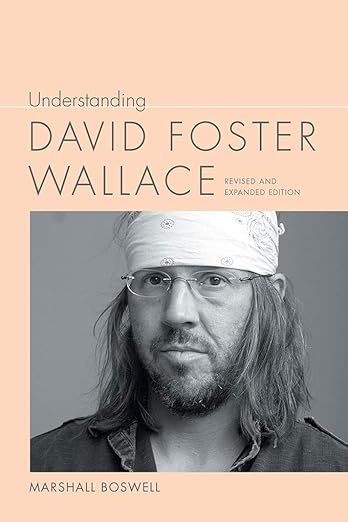
by Leonard CassutoCome here for: The dialogue between crime fiction and nineteenth-century sentimental novelsExpect: A cultural history spanning twentieth-century social changesWhere it sits:Mystery & Crime CritAmerican Lit CritUnderstanding David Foster Wallace
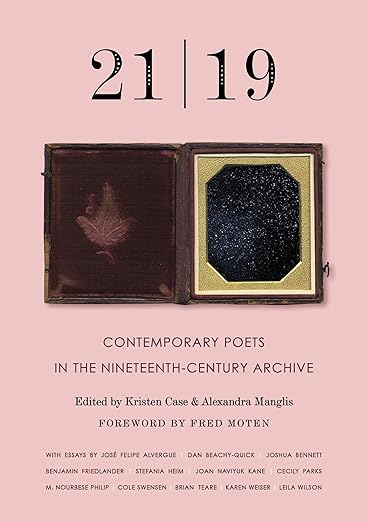
by Marshall BoswellWhere it sits:American Lit CritLiterary TheoryWriters' Lives21 19
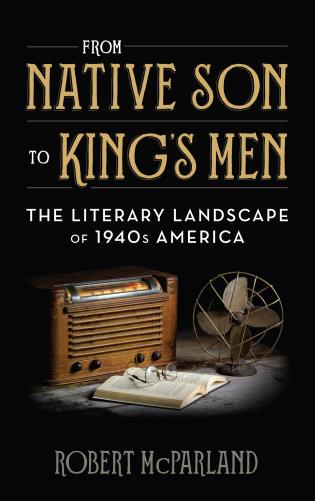
by Alexandra Manglis, Kristen CaseCome here for: Contemporary poets engaging nineteenth-century predecessorsExpect: Essays at the border of lyrical and scholarly writingFrom Native Son to King's Men
by Robert McParlandCome here for: Examinations of notable works by Baldwin, Faulkner, Petry, and other 1940s writersExpect: A literary view of the decade’s cultural climateAmerican Literary Misfits
by D. Berton EmersonCome here for: Literary texts rarely treated as representative of the nationExpect: Egalitarian forms of democratic politicsThe American Sentence
by Ira NadelCome here for: A history of American sentences from the Puritans to the presentExpect: Four stages: the sermon, telegraph, newspaper, and screenWhere it sits:American Lit CritBooks & ReadingWriting as a CareerNotes on Blood Meridian
by John SepichCome here for: Follow the nineteenth-century sources behind the novelExpect: A revised and expanded reference workAmerican Gothic Fiction
by Allan Lloyd-SmithCome here for: A genre definition, timeline, and critical concerns for reading American GothicExpect: In-depth analysis of major themes and issuesTranslating Empire
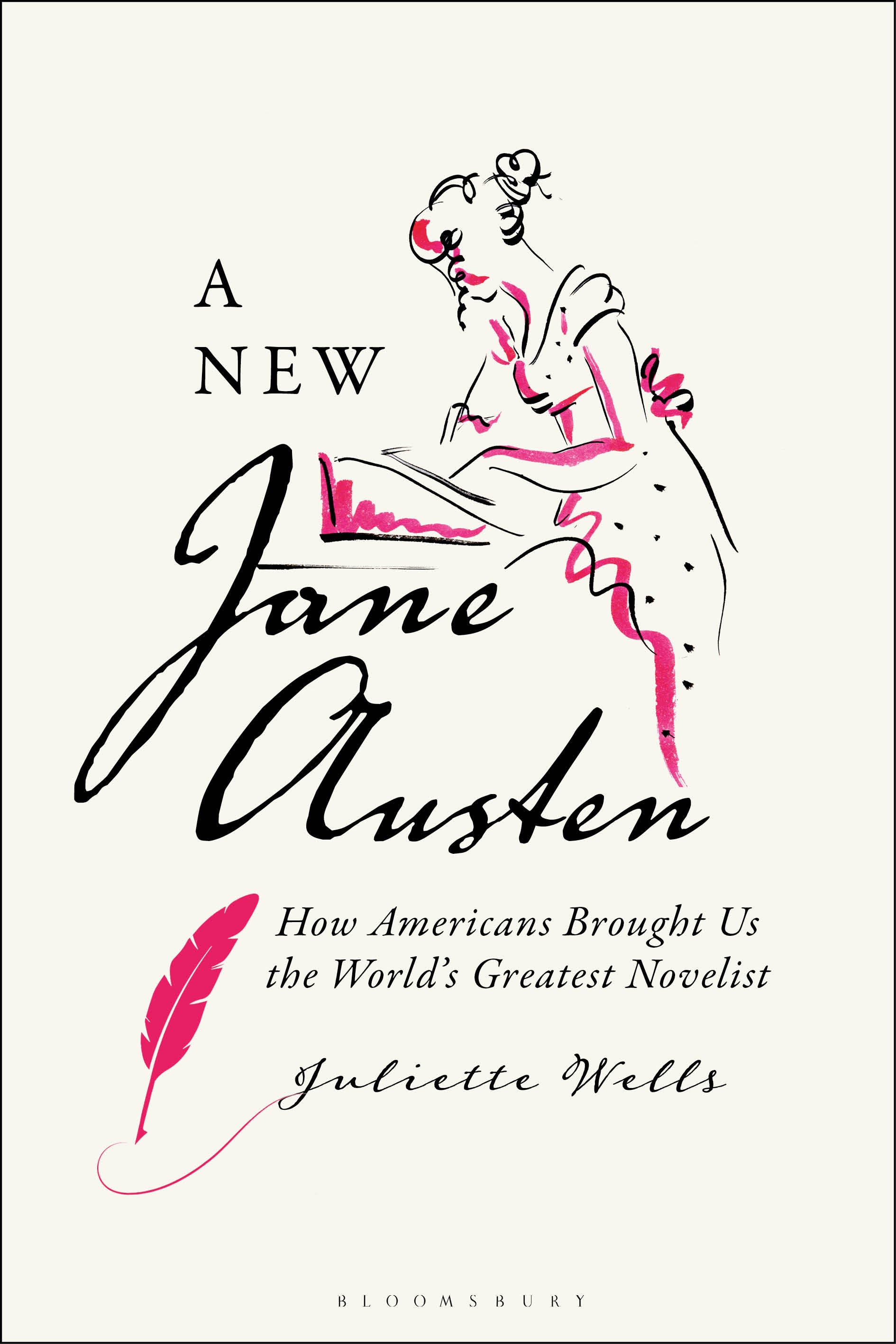
by Laura LomasCome here for: Martí’s readings of Buffalo Bill, Whitman, and RamonaExpect: Readings of Martí’s changing views of Emerson and WhitmanA New Jane Austen
by Juliette WellsCome here for: American writers and collectors who shaped Austen’s global reputationExpect: Advocacy for Austen’s place in the literary canonWhere it sits:Women Authors CriticismBooks & ReadingAmerican Lit CritWilliam Faulkner
by Irving HoweCome here for: Social and moral themes across Faulkner’s novels and storiesExpect: A study of Faulkner’s works, with attention to novels and storiesNative American Literature
by Helen May DennisCome here for: A reading of space and spatialized aestheticsExpect: Discussion of late-twentieth-century Native American novelsReading Susan Sontag
by Carl RollysonCome here for: Chapter discussions move from synopsis to Sontag’s views and critical commentaryExpect: A glossary defines terms and traces allusions across her essaysAntipodean America
by Paul GilesCome here for: The antipodes as a creative resource and a political concernExpect: Separate readings of writers including Franklin, Melville, Gilman, and CoetzeeReading at the Social Limit
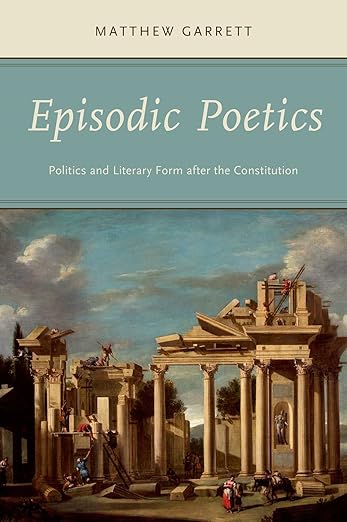
by Jonathan ElmerEpisodic Poetics
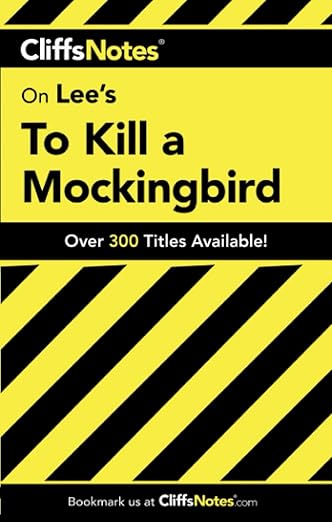
by Matthew GarrettCome here for: How episodic form shapes early American proseExpect: Narrative theory alongside social and political historyCliffsNotes on Lee's To Kill a Mockingbird
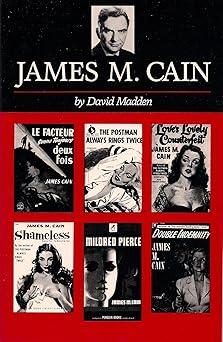
by Tamara CastlemanCome here for: Chapter summaries and commentaries follow Scout’s coming-of-age journey.Expect: Critical essays examine racial relations in the 1930s South.Where it sits:Book Notes & SummariesAmerican Lit CritJames M. Cain
by David MaddenLanguage as Liberation
by Toni MorrisonCome here for: Close reading with a sharpened edgeExpect: Book-club discussion fuel