18th-Century History
From Blackbeard's coastal raids to a London printing shop in 1787, these histories show the century being argued, fought and remade.
Optimized for books about 18th century.
The eighteenth century is where the modern world got loud: revolution in Paris, mutiny at sea, a printing shop in London, and a convict colony clinging to the far side of the globe. These six histories put you on the decks, in the debating halls and inside the taverns where it all happened. A New World Begins carries you from Mirabeau to Napoleon, Bury the Chains follows twelve men who launched the world's first grassroots campaign against slavery, and The Bounty reopens the case of Bligh and Fletcher Christian. If you want your history with names, dates and real consequences, this is your shelf.
Our reading of each book:Come here forExpectWhere it sits
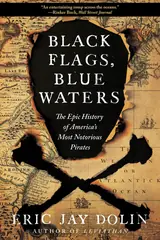
Black Flags, Blue Waters
by Eric Jay DolinEdward Low delighted in torturing his prey, and yet colonists once welcomed men like him. That reversal drives Black Flags, Blue Waters: American colonists first backed pirates as an early show of defiance against the Crown, then turned on them with violence of their own. Blackbeard towers, Captain Kidd meets his ill-fated end, and the myths fall away until the raids of the late 1600s and early 1700s reveal how precarious colonial life really was.
Come here for: Maritime history with a readable sweepExpect: Clear-eyed contextA New World Begins
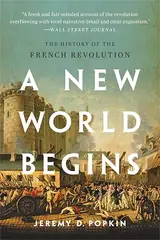
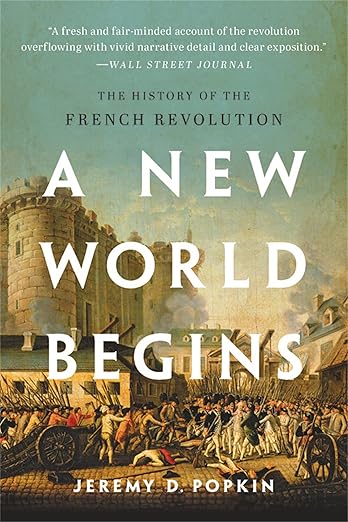
by Jeremy PopkinHow does a revolution built on liberty and equality end with the rise of Napoleon? A New World Begins answers by dropping you into the thick of the debates and the bloodshed: Mirabeau, Robespierre and Danton in all their brilliance and vengefulness, then Louis XVI's failed escape and execution. The story widens well beyond the men at the podium, to women demanding equal rights and enslaved Black people wresting freedom from revolutionaries who hesitated to honor their own principles.
Come here for: French Revolution history with a broad, readable sweepExpect: Revolutionary-era scopeWhere it sits:18th-Century HistoryRevolutionary HistoryFrench HistoryThe Bounty
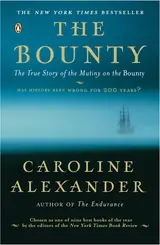
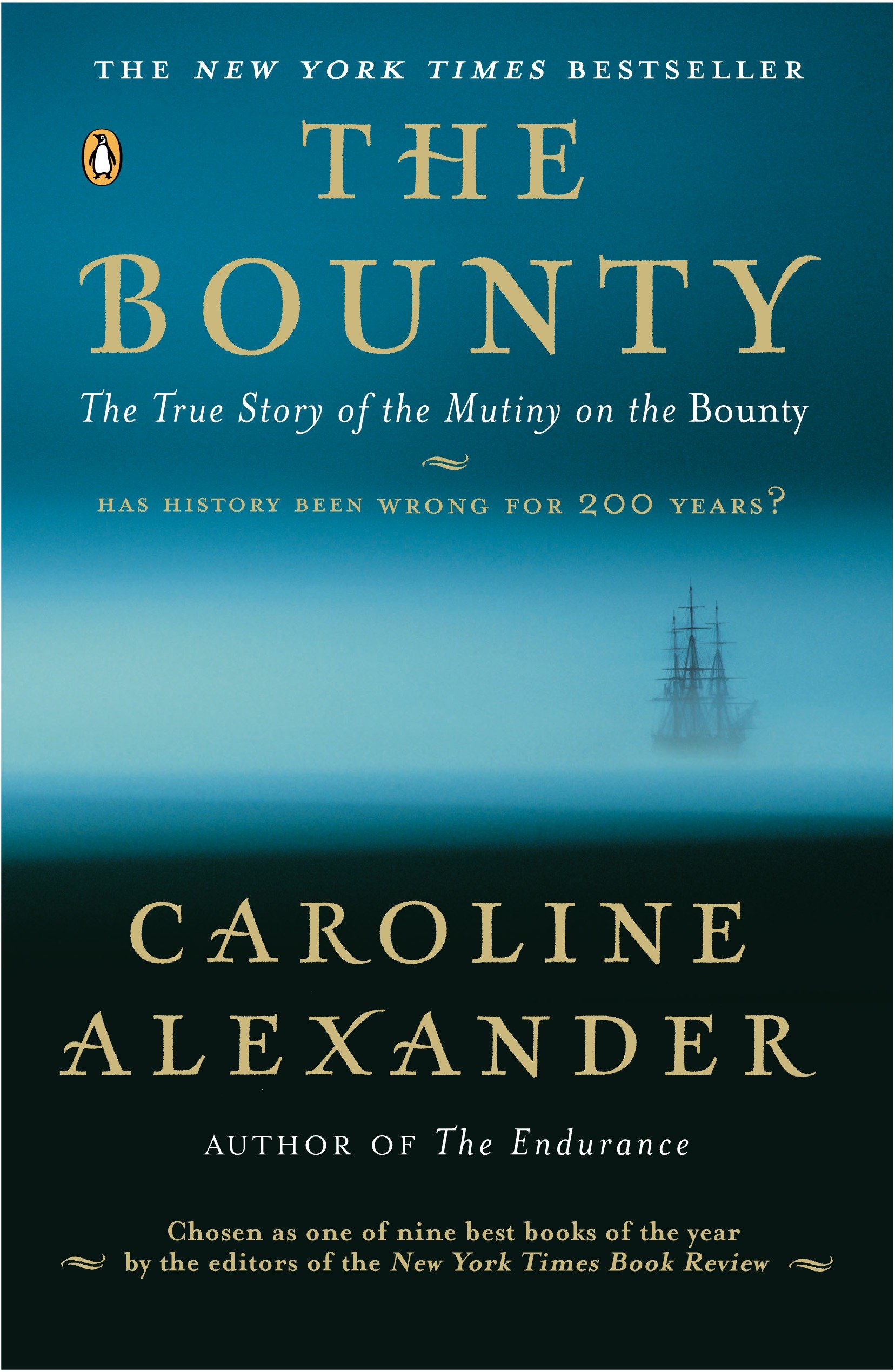
by Caroline AlexanderTwo powerful families, one man to save from the gallows and another from ignominy: in The Bounty, that alliance is what built the Bounty legend everyone thinks they know. Caroline Alexander goes back to Master's Mate Fletcher Christian turning on Lieutenant William Bligh aboard a small armed transport, and works forward through causes and aftermath. What emerges is a story of duty, pride and power, and of a brave man's honor deliberately destroyed at the dawn of the Romantic age.
Come here for: Clear historical explanationExpect: Georgian-era contextQueer Enlightenments
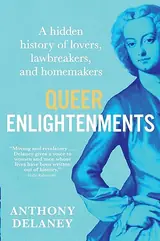
by Anthony DelaneyA tip-off, a midnight raid, and Mother Clap's Holborn coffee house, a haven open to all comers, is broken open. Queer Enlightenments gathers eleven lives lived between 1726 and 1836, from the court of King George, where one noblewoman quipped that the world held "men, women, and Herveys," to a New York courtroom where a Black sex worker branded the "Man-Monster" leaves traces of defiance between the lines. Female husbands and midnight elopements keep the joy as present as the resistance.
Come here for: Queer history with a literary edgeExpect: Historical digressions and sharp framingBury The Chains
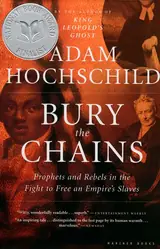
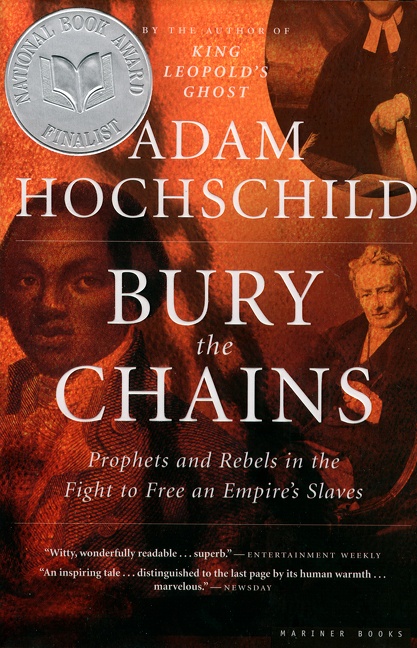
by Adam HochschildEarly 1787: twelve men, among them a printer, a lawyer and a clergyman, meet in a London printing shop and decide to fight for people on another continent. Bury the Chains tracks how they did it, and the toolkit is startlingly modern: consumer boycotts, wall posters, lapel buttons, celebrity endorsements. Adam Hochschild keeps the pressure high as the campaign to free the enslaved people of the British Empire grinds against a formidable establishment. Every protest movement since owes these organizers something.
Come here for: The history of an organized fight against British slaveryExpect: Campaign strategy alongside its powerful opponentsA Commonwealth of Thieves
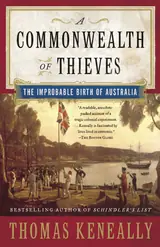
by Thomas KeneallyFirst comes the voyage, and it is hellish. Then A Commonwealth of Thieves settles into the four years that followed, when the convict settlement of Australia might have collapsed at any moment. Thomas Keneally works from personal journals and documents, giving the colony's governor a full inner life while drawing captivating portraits of Aboriginal people and of convicts set on starting over. The result is a human-scale account of an unprecedented experiment, with all its thrills and hardships intact.
Come here for: The early colony seen through its governor’s perspectiveExpect: A spirited account of an improbable beginning



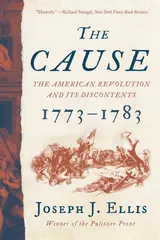
The Cause
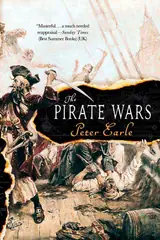
by Joseph J EllisCome here for: Revolution-era context, sharply drawnExpect: Insight over pageantryThe Pirate Wars
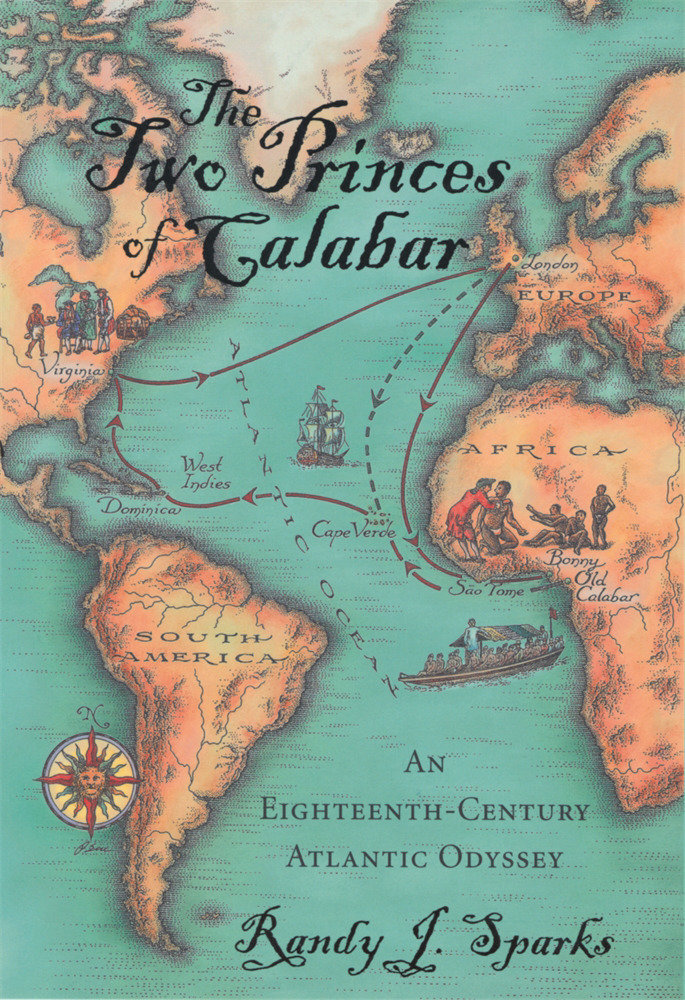
by Peter EarleTwo Princes of Calabar
by Randy J. SparksCome here for: West African and Atlantic history in one sweepExpect: Cultural-literacy payoffWhere it sits:Slavery StudiesWest African History18th-Century HistoryThe War of Jenkins' Ear
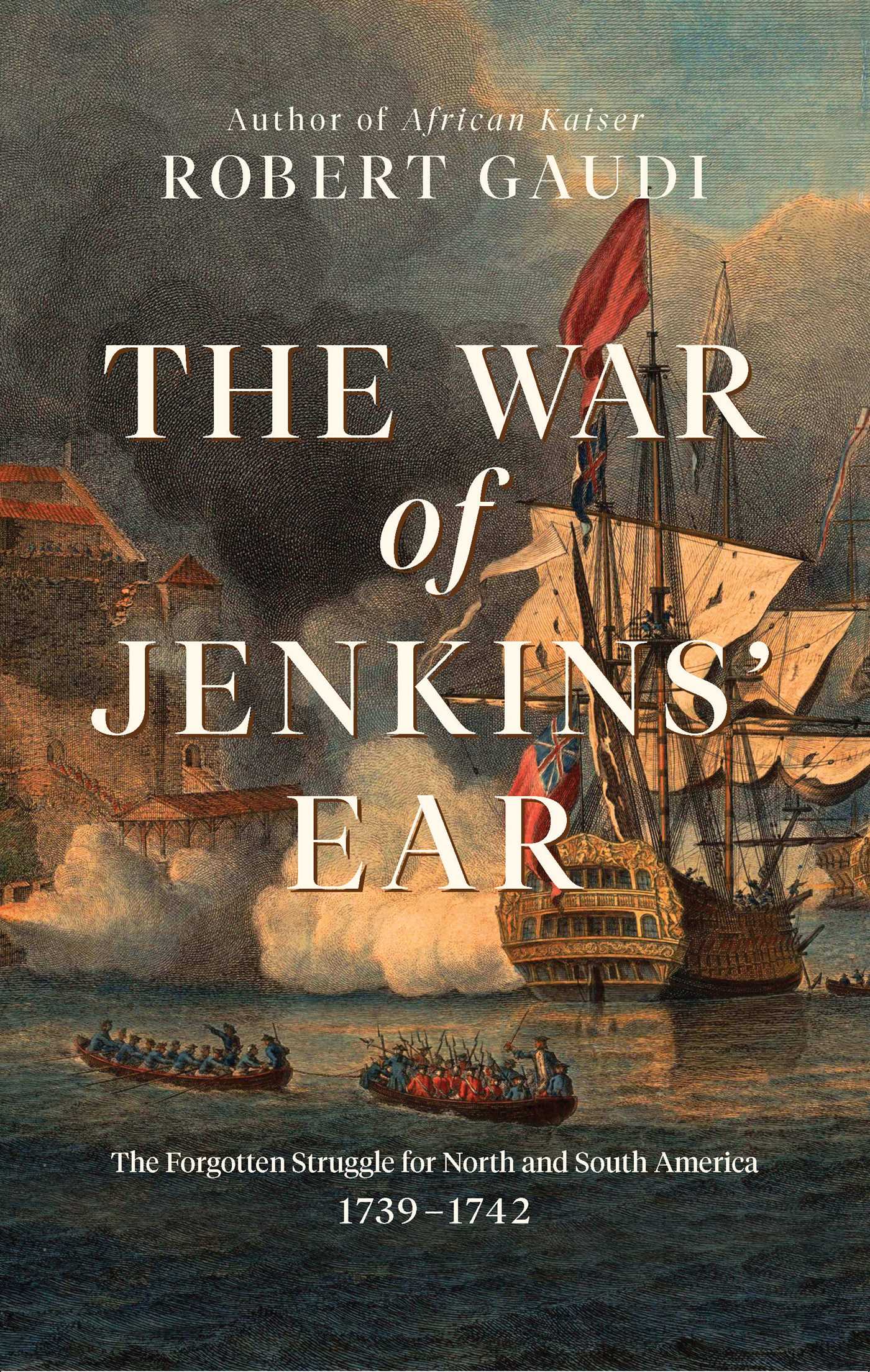
by Robert GaudiCome here for: A little-known war with consequences for the AmericasExpect: Vivid historical prose moving across oceans and coastlinesThe London Hanged
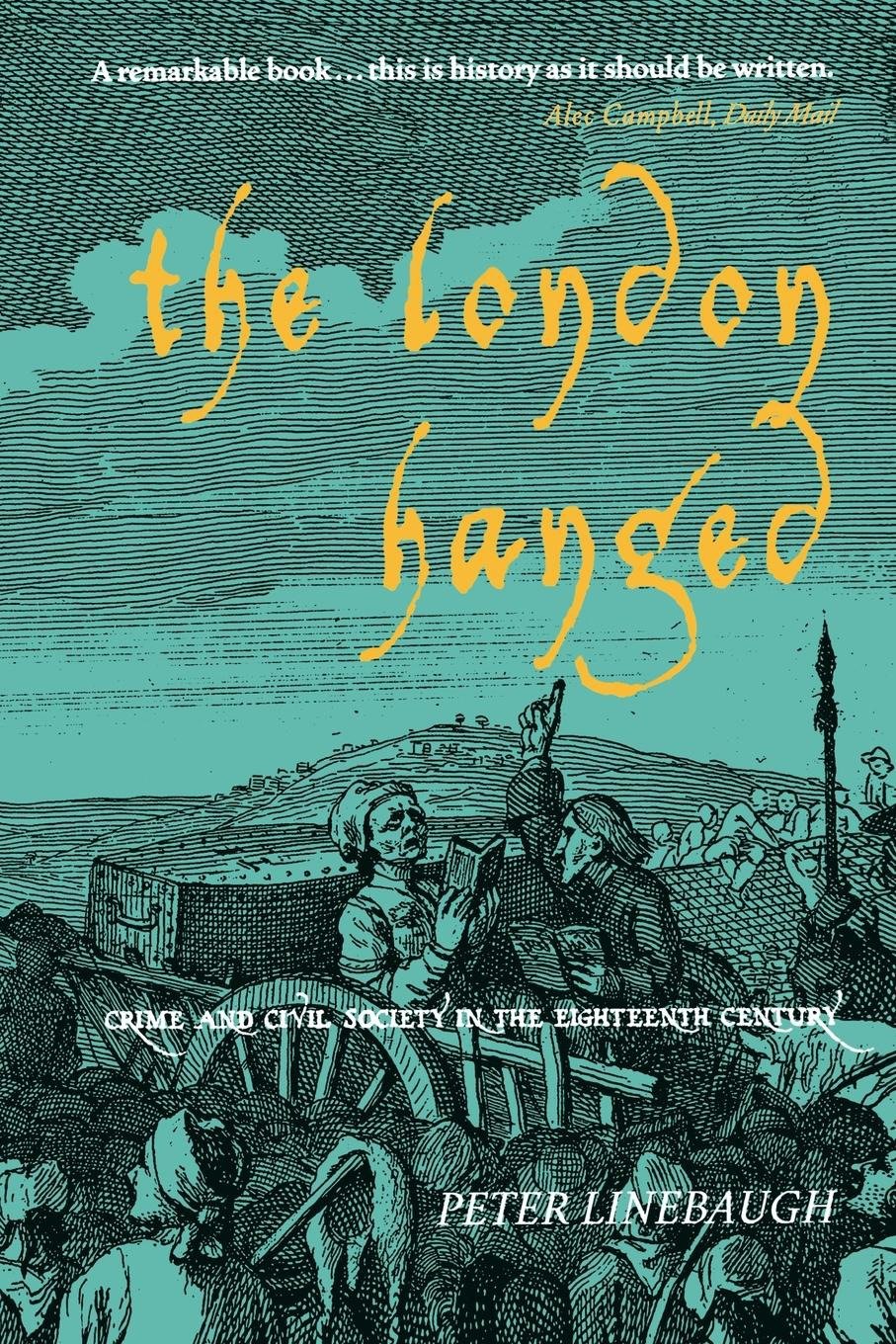
by Peter LinebaughCome here for: Eighteenth-century London, crime, and civil societyExpect: Dense historical explanationHow the Scots Invented the Modern World
by Arthur HermanCome here for: Connections between Scottish history and modern democracy, markets, and educationExpect: A journey across centuries, from the Scottish Enlightenment to later historical figuresGreat and Noble Scheme
by John Mack FaragherCome here for: The collision of imperial ambition and a community’s wish to live in peaceExpect: A sustained narrative spanning 150 years of history- Come here for: Georgian history beyond wigs, gin, and polite progressExpect: Figures described as magnificent—if not moralWhere it sits:Georgian Britain (1714-1837)18th-Century History
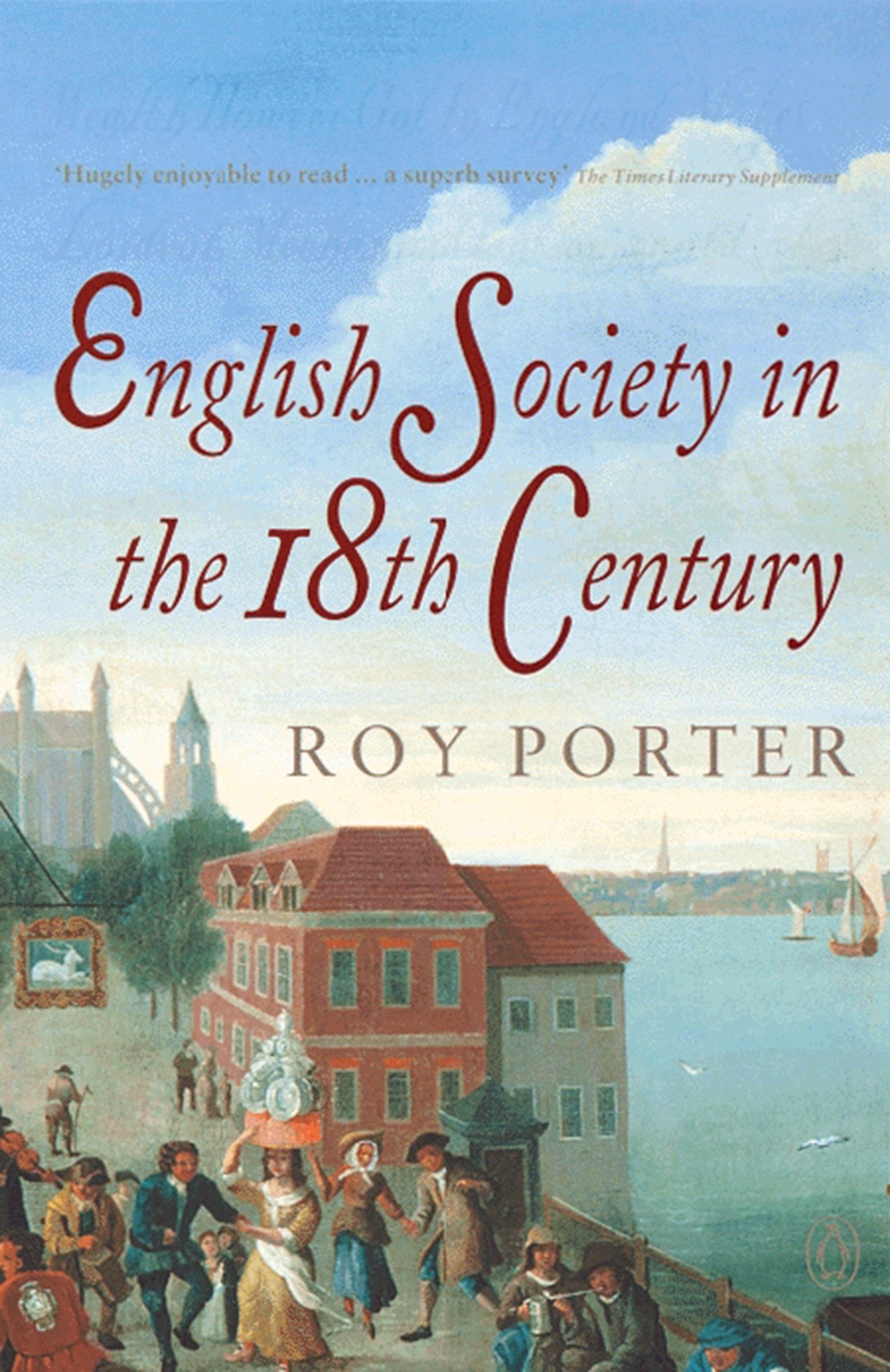
English Society in the 18th Century
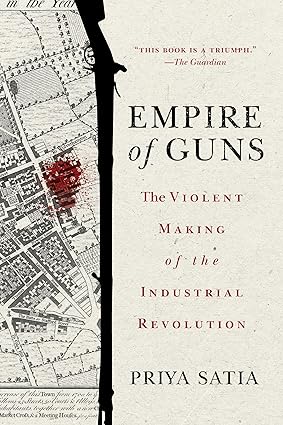
by Roy PorterCome here for: Social texture, not just datesExpect: Structured, sustained overviewEmpire of Guns
by Priya SatiaCome here for: A fresh account of industrial growth through the British gun tradeExpect: A sustained history spanning 1688 to 1815The Dutch Republic
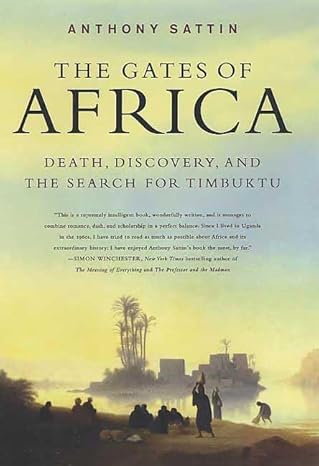
by Jonathan IsraelWhere it sits:Benelux History17th-Century History18th-Century HistoryThe Gates of Africa
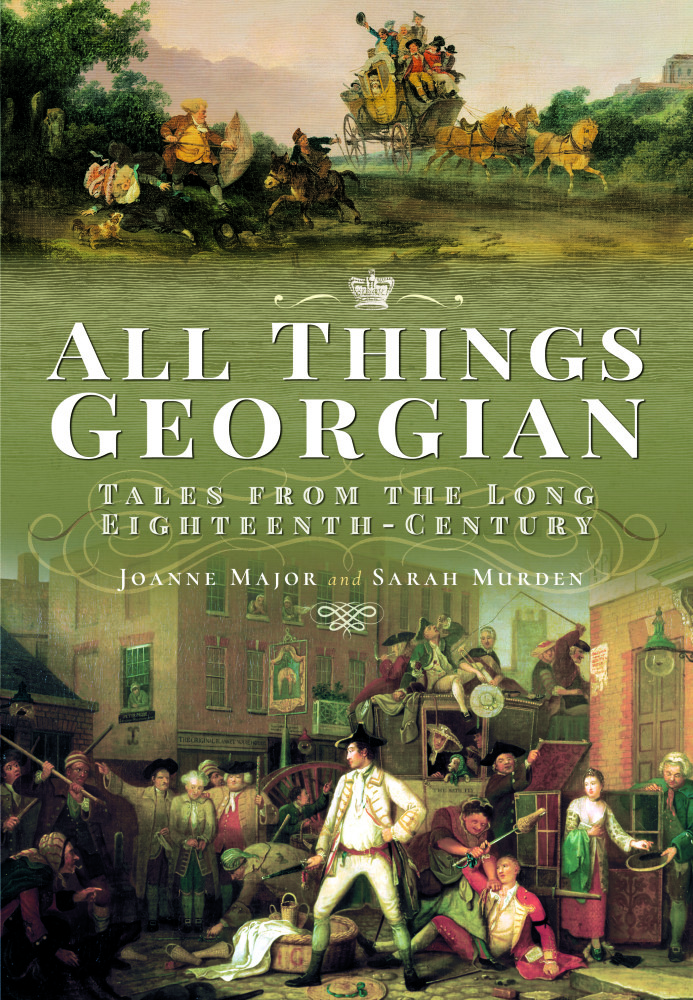
by Anthony SattinAll Things Georgian
by Joanne Major, Sarah MurdenWhere it sits:Georgian Britain (1714-1837)18th-Century HistoryPerfectibilists
by Terry MelansonCome here for: Contemporary accounts and original Illuminati documentsExpect: More than 1,000 endnotes citing scholars and academicsWhere it sits:The Occult18th-Century HistoryWestern European HistoryNeptune's Fortune
by Julian SanctonCome here for: Spanish Empire wreckage, with a shadowy edgeExpect: A sustained narrative paceLondon Life in the 18th Century
by M. Dorothy GeorgeCome here for: Disease-infected rookeries and vice-ridden streetsExpect: A social history of the capital cityThe Wide Wide Sea
by Hampton SidesCome here for: Maritime history with imperial reachExpect: 17th-century naval contextFractured Europe
by D. J. SturdyAwakening the Ashes
by Marlene L. DautCome here for: Haitian revolutionaries’ political ideasExpect: Eighteenth- and nineteenth-century writers, politicians, and revolutionariesThe Whig Supremacy 1714-1760
by Basil Williams, C. H. StuartWhere it sits:Georgian Britain (1714-1837)18th-Century HistoryThe Age of Revolutions in Global Context, c. 1760-1840
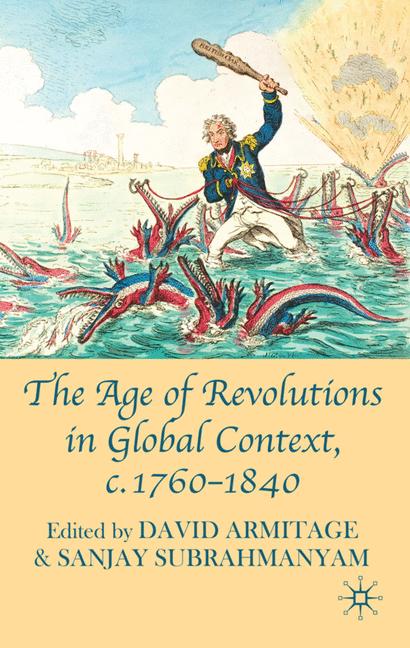
by David Armitage, Sanjay SubrahmanyamCome here for: The American, French, and Haitian RevolutionsExpect: Separate perspectives on the Napoleonic Wars and the break-up of Iberian empiresPirates and Privateers in the 18th Century
by Mike RendellCome here for: The Spanish treasure fleet’s sinking and the pirate gold rush that followedExpect: The King’s Pardon as a gamble that paid offPeter the Great
by Robert K. MassieCome here for: Big-canvas history with classroom usefulnessExpect: Sustained narrative arcWhere it sits:Royal Lives18th-Century HistoryRussian HistoryThe Eighteenth Century
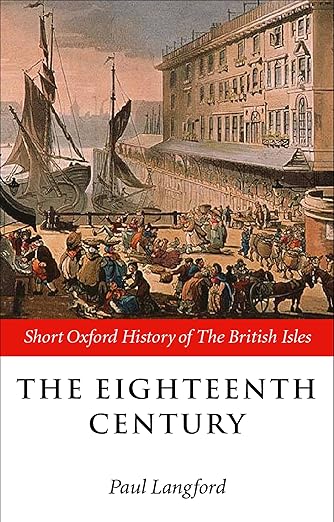
by Paul LangfordCome here for: Domestic politics, including popular political cultureExpect: Social and demographic structure and growthThe Jacobites
by Daniel SzechiCome here for: A pan-European survey of Jacobitism across all three kingdomsExpect: Coverage of the Irish dimension and Jacobite diasporaEurope 1600-1789
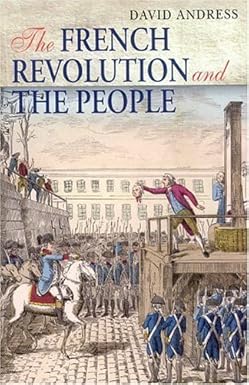
by Anthony F. UptonCome here for: A survey of Europe from 1600 to 1789Expect: Attention to the laboring poor and ruling eliteWhere it sits:18th-Century History17th-Century HistoryFrench HistoryFrench Revolution and the People
by David AndressWhere it sits:Revolutionary History18th-Century HistoryFrench HistoryVersailles
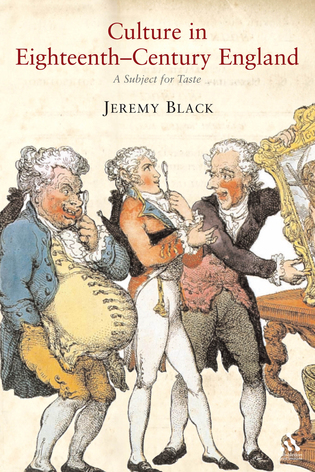
by Tony SpawforthCome here for: The glamour and high camp of European courts, with the palace itself at centerExpect: A closer look at aristocratic intrigue and status anxietyCulture in Eighteenth-Century England
by Jeremy BlackWhere it sits:18th-Century HistoryGeorgian Britain (1714-1837)The Books that Made the European Enlightenment
by Gary KatesCome here for: Book-by-book histories of publication and receptionExpect: Authors, publishers, and readers considered togetherThe Slave Coast of West Africa 1550-1750
by Robin LawCome here for: The slave trade’s organization and effects on the domestic economyExpect: A study of events preceding Dahomey’s riseWhere it sits:West African HistorySlavery Studies18th-Century HistoryBellies, bowels and entrails in the eighteenth century
by Rebecca Anne Barr, Sylvie Kleiman-LafonCome here for: Bowels as counterpoints to politenessExpect: Urban historyEnlightenment at court
by Thomas Biskup, Benjamin MarschkeCome here for: Courtly patronage and writers’ careersExpect: The dangers and opportunities of proximity to courtGermany under the Old Regime 1600-1790
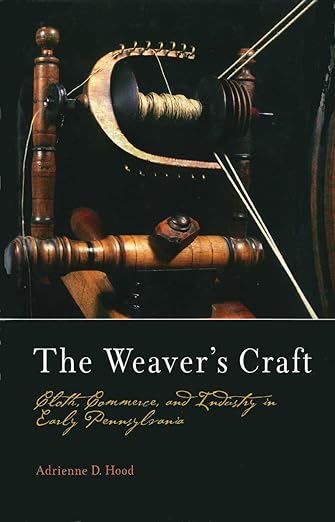
by John G. GagliardoCome here for: Territorial fragmentation across seventeenth- and eighteenth-century GermanyExpect: Political divisionsWhere it sits:German History17th-Century History18th-Century HistoryThe Weaver's Craft
by Adrienne D. HoodCome here for: Pennsylvania clothmaking from European roots to early industrializationExpect: A history spanning the seventeenth century through industrialization’s beginningsThe Law of Nations
by Emer de Vattel, Béla KapossyCome here for: Vattel’s model of international conduct, distilled from natural lawExpect: A Liberty Fund edition based on the anonymous 1797 English translationEighteenth-Century Britain: A Very Short Introduction
by Paul LangfordWhere it sits:Georgian Britain (1714-1837)18th-Century History