World War 2 History Books for the Big Picture and Up Close
From Hitler's invasion of Poland to a 30-mile march behind Japanese lines, plus the pocket paperbacks soldiers carried into battle.
Optimized for books about world war ii.
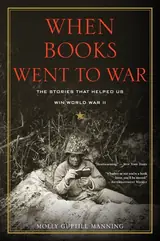
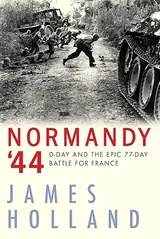
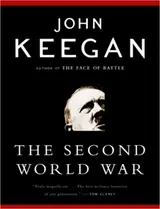
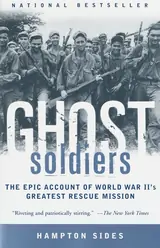
Six books, six scales of war. Two single-volume histories take on the whole conflict, one running from Poland in September 1939 to V-J Day and beyond. Two zoom in on Normandy: one on a single twenty-four hours, the other on the bitter campaign that followed. Then come 121 hand-picked U.S. troops marching to free Bataan survivors, and 120 million paperbacks shipped to every theater. For anyone who wants the war at every altitude, start with The Second World War for sweep, grab Ghost Soldiers for a raid told minute by minute, and save When Books Went to War for the war seen through what men read in trenches and field hospitals.
Our reading of each book:Come here forExpectWhere it sits
The Second World War
by Antony BeevorEvery major power, one volume. The Second World War carries the story from Hitler's invasion of Poland on September 1, 1939, through V-J Day on August 14, 1945, and on into the aftermath. The surprise is intimacy: for all its global reach, the narrative stays close to the people caught inside the bloodiest event of the century. A steady pace keeps such an ambitious scope from ever turning into a blur of dates and arrows.
D-Day
by Stephen E. AmbroseMidnight, June 5/6: the first British and American airborne troops drop into France, and the clock stops exactly twenty-four hours later. Between those midnights, D-day draws on more than 1,400 interviews with American, British, Canadian, French and German veterans. Its sharpest thread is what happened once the original plans collapsed and enlisted men and junior officers had to improvise, with the view swinging from the Supreme Commander down to a German sergeant and a French child.
Come here for: Beachhead-level immediacyExpect: June 6, 1944 focusWhen Books Went To War
by Molly Guptill ManningWhat does a democracy do against an enemy that has burned 100 million books? Print more. When Books Went to War follows outraged librarians who gathered 20 million hardcover donations, then the 1943 partnership of the War Department and publishers that produced the Armed Services Editions, slim paperbacks sized for a rucksack. The ripple effects are the real kicker: these editions helped pull The Great Gatsby out of obscurity and turned Betty Smith into a national icon.
Come here for: Wartime books as practical companionsExpect: WWII-era reading cultureNormandy '44
by James HollandMeasured in daily casualties, Normandy was worse than any campaign of World War I. Normandy '44 spends the seventy-six days after the landings in the lanes and hedgerows, and treats moving hundreds of thousands of men and mountains of materiel across the Channel as a drama in its own right. Voices range from Easy Company's Dick Winters to tanker Reg Spittles, German ordnance officer Hans Heinze and resistance leader Robert Leblanc, all aimed squarely at the myths still clinging to OVERLORD.
Come here for: D-day to the liberation campaignExpect: Institutional-friendly framingThe Second World War
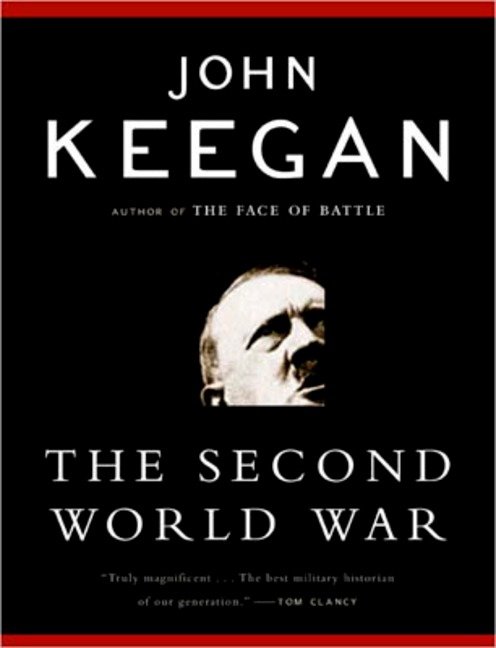
by John KeeganCrete from the air, Midway from carrier decks, Falaise in tanks, Berlin in the streets, Okinawa from the sea. The Second World War anchors each theater with one battle that shows a distinct way of waging modern war, then weighs the strategic dilemmas leaders faced against what their decisions cost the fighting men. John Keegan writes in a studied, unsentimental register, and the five case studies give the whole war a backbone that is easy to carry in your head.
Come here for: Clear-eyed wartime overviewExpect: Big-picture framingGhost Soldiers
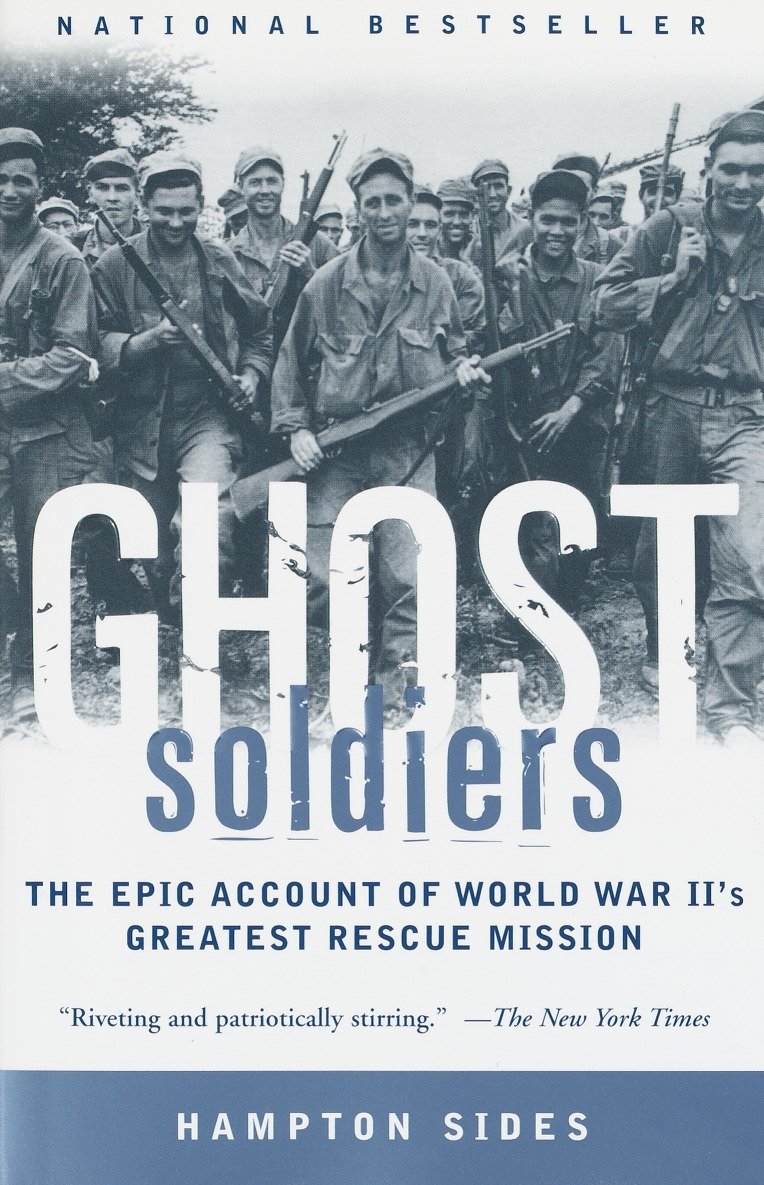
by Hampton SidesInside the camp, 513 prisoners, among them the last survivors of the Bataan Death March, held on through starvation, tropical disease and torture by banding together and defying their guards. Outside, on January 28, 1945, 121 hand-selected U.S. troops slipped behind Japanese lines for a thirty-mile march to reach them, a recent massacre elsewhere in the Philippines squeezing their planning time. Ghost Soldiers cuts between the two stories, building suspense until they collide.
Come here for: A rescue mission told with clear narrative momentumExpect: Military history with an explanatory edge


The Guns at Last Light
by Rick AtkinsonCome here for: Operational sweep across Western EuropeExpect: Careful chronologyThe Last Stand of the Tin Can Sailors
by James D. HornfischerCome here for: Naval combat detailExpect: Pacific theater scopeWhere it sits:Naval HistoryWWII Pacific TheaterWorld War II HistoryBook and Dagger
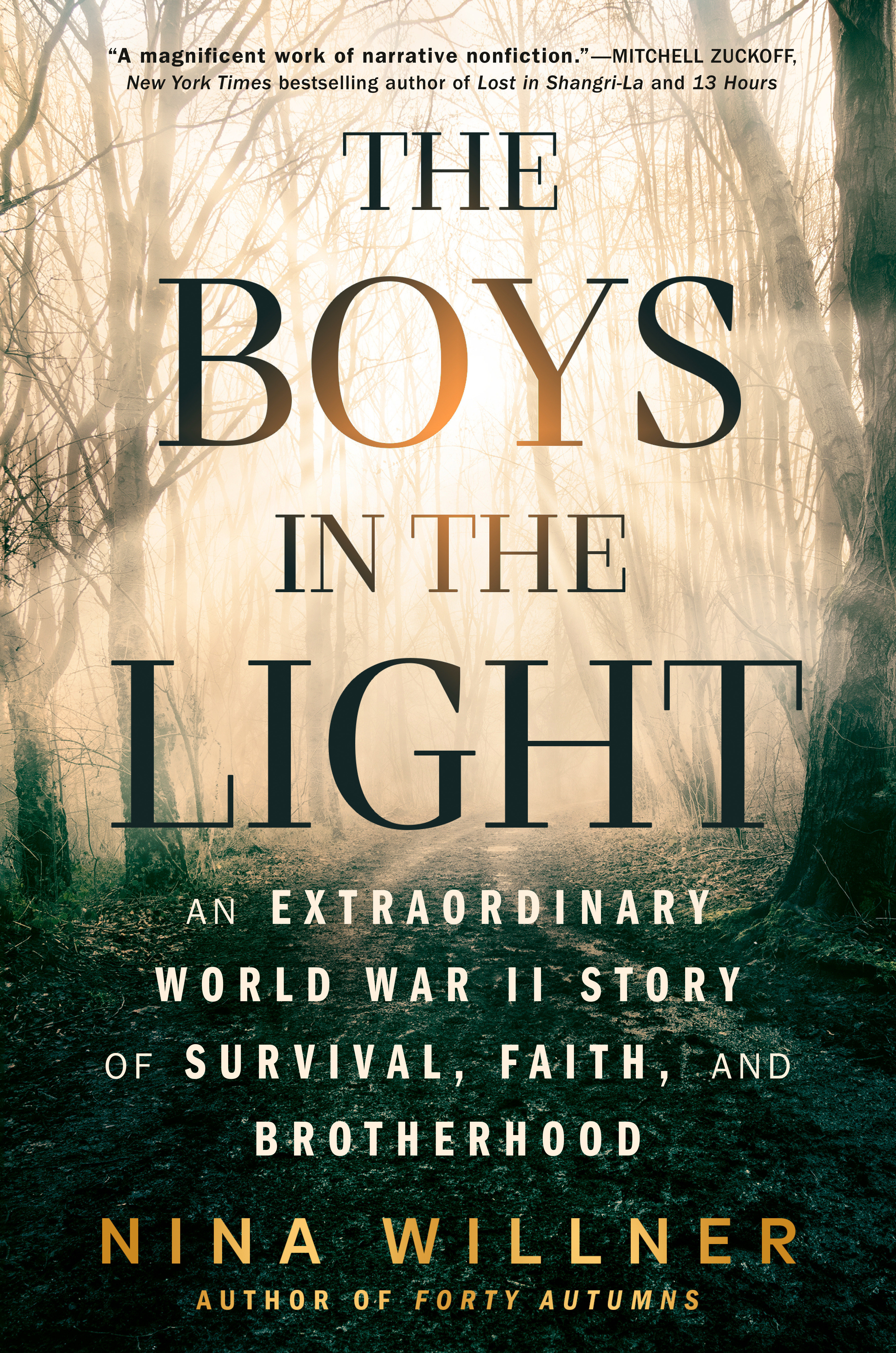
by Elyse GrahamCome here for: Scholarship with clandestine stakesExpect: Cultural history over battlefield chronologyThe Boys in the Light
by Nina WillnerCome here for: Parallel journeys through Holocaust survival and American wartime combatExpect: Narrative nonfiction spanning two sides of World War IIWhere it sits:Holocaust HistoryWorld War II HistoryMilitary LivesThe Battle of Midway
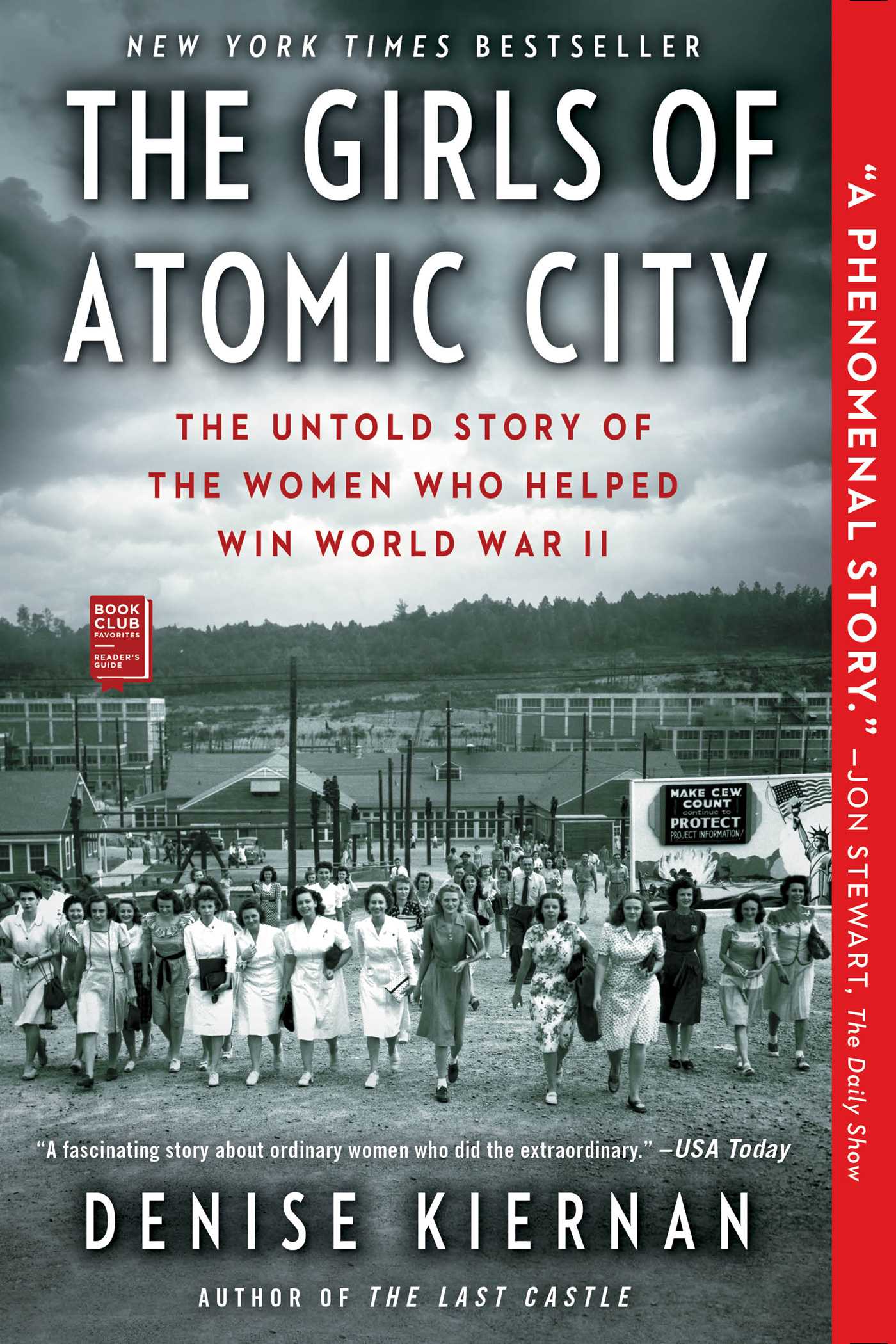
by Craig L. SymondsCome here for: Midway context, without the fogExpect: Insight over dramaticsWhere it sits:WWII Pacific TheaterNaval HistoryWorld War II HistoryThe Girls of Atomic City
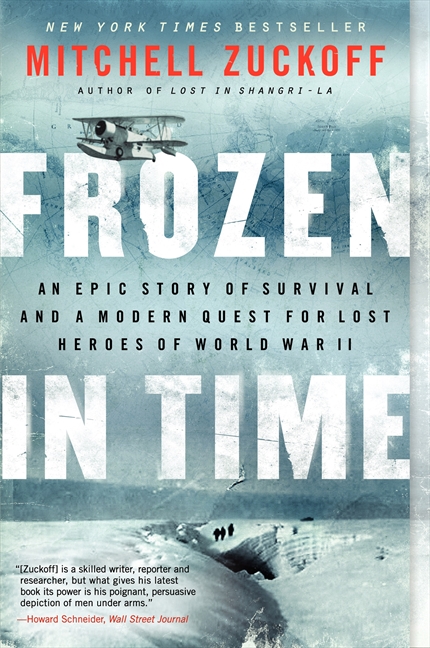
by Denise KiernanCome here for: Women, science, and wartime industryExpect: World War II contextWhere it sits:World War II History20th-Century AmericaNuclear WarfareFrozen in Time
by Mitchell ZuckoffCome here for: Survival under Arctic pressureExpect: Staging and momentumShadow Divers
by Robert KursonCome here for: Perilous wreck diving with a stubborn historical puzzle at its centerExpect: Dangerous dives and a quest that stretches across six yearsWhere it sits:World War II HistorySubmarinesAdventurers & ExplorersFreedom's Forge
by Arthur HermanCome here for: Business, industry, and wartime productionExpect: World War II history with an economic angleUnbroken
by Laura HillenbrandCome here for: Survival, resilience, redemptionExpect: Sustained narrative readWhere it sits:Military LivesSurvival StoriesWorld War II HistoryThe Making of the Atomic Bomb
by Richard RhodesCome here for: Clear historical sweepExpect: Military and world-history contextWhere it sits:Nuclear WarfareWorld War II HistoryNuclear PhysicsThe Greatest Generation
by Tom BrokawCome here for: World War II history at human scaleExpect: Stories of courage, sacrifice, and honorWhere it sits:World War II History20th-Century AmericaMilitary LivesEyewitness to World War II
by Stephen G. HyslopCome here for: Personal writings from the battlefield and home frontExpect: Letters from soldiers and diaries of women serving in the military at homeWorld War II
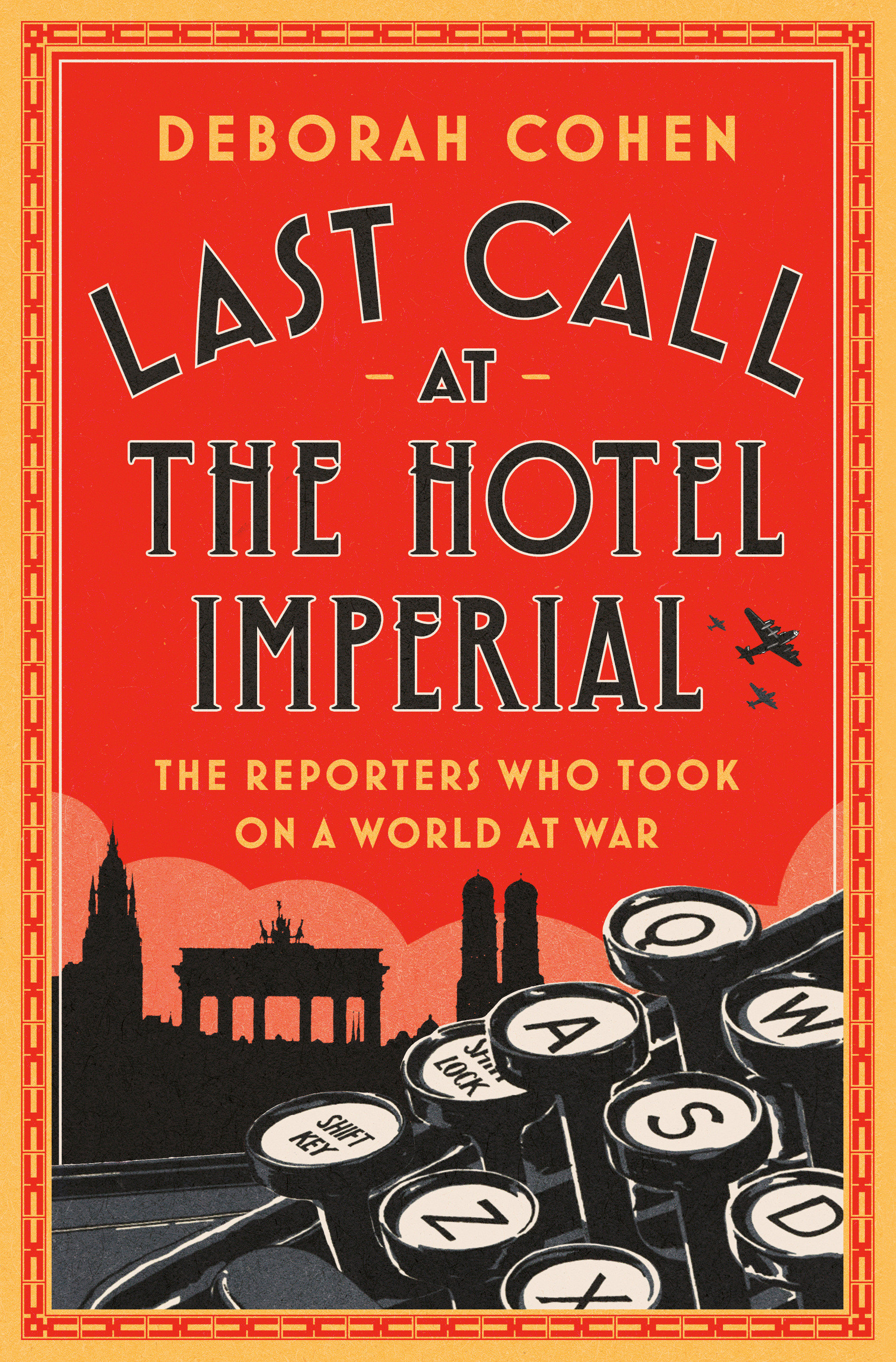
by DK, Richard HolmesCome here for: Visual sweep of WWII historyExpect: Reference-friendly layoutLast Call at the Hotel Imperial
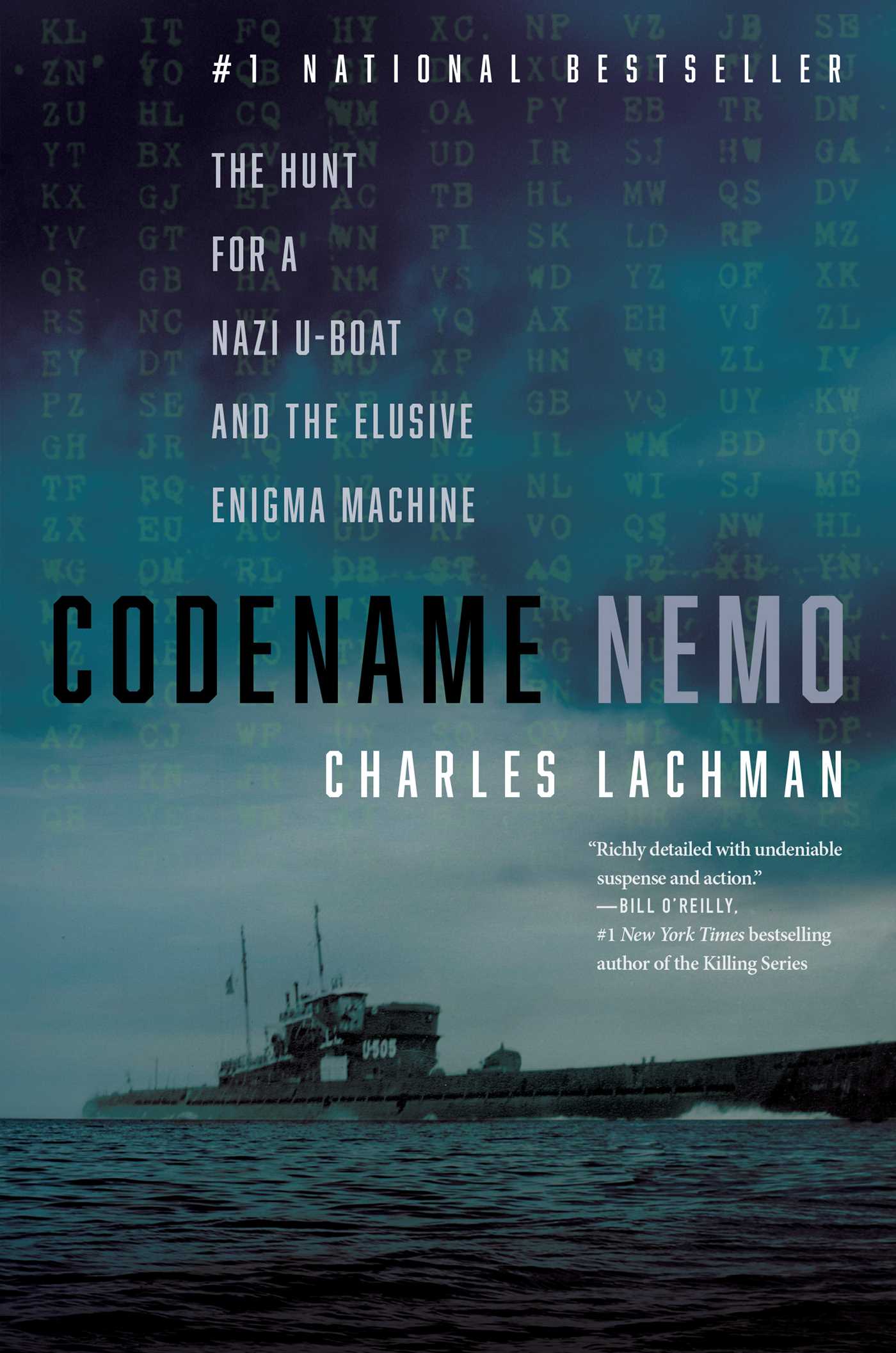
by Deborah CohenCome here for: Reporters, wars, and the newsroom eyeExpect: History told through reporters’ vantage pointWhere it sits:Lives in JournalismWorld War II HistoryLives in HistoryCodename Nemo
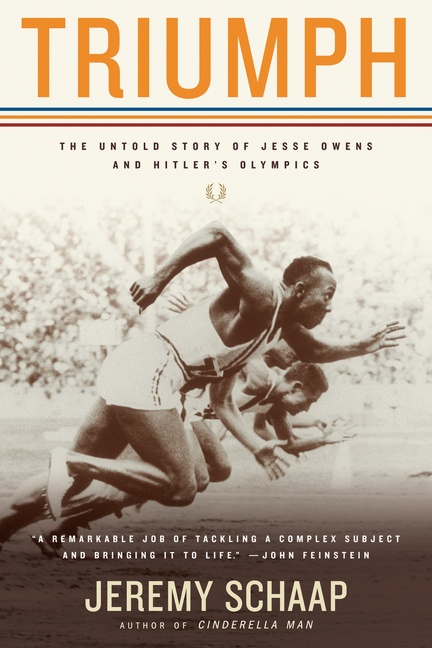
by Charles LachmanCome here for: U-boat pursuit, codebreaking tensionExpect: World War II naval historyTriumph
by Jeremy SchaapCome here for: Jesse Owens and the stakes of the 1936 Berlin GamesExpect: A dramatic account grounded in reporting and archival researchWhere it sits:Sports LivesOlympicsWorld War II History109 East Palace
by Jennet ConantCome here for: The human cost of living under wartime secrecyExpect: A sustained narrative rooted in World War II historyLooking for the Good War
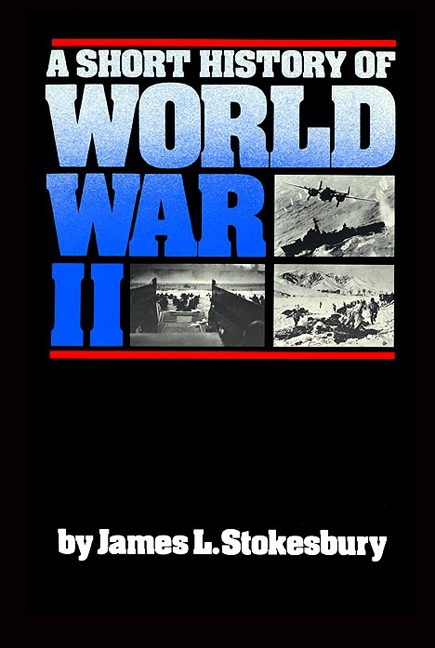
by Elizabeth D. SametCome here for: American war-memory and its blind spotsExpect: History, criticism, and uneasy clarityA Short History of World War II
by James L. StokesburyCome here for: Cultural-literacy contextExpect: A focused, explanatory readWhere it sits:World War II HistoryMilitary History20th-Century HistoryLords of the Sky
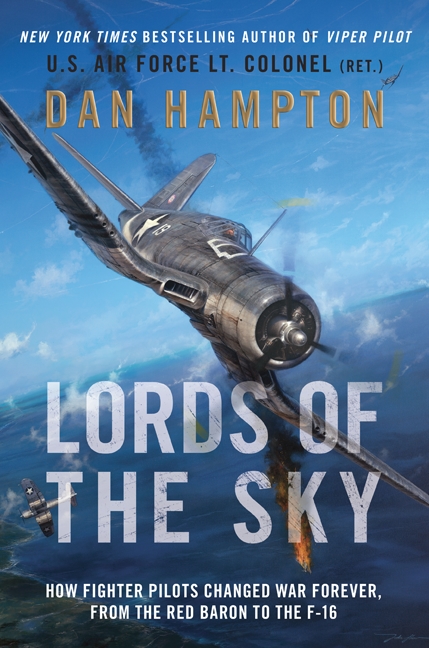
by Dan HamptonCome here for: Fighter aircraft and the pilots behind their reputationsExpect: Iconic planes spanning the Sopwith Camel to the F-16Where it sits:Military AviationAviation HistoryWorld War II HistoryWhy?
by Peter HayesCome here for: History approached through eight direct, searching questionsExpect: Wide-ranging research brought to bear on conventional viewsWhere it sits:Holocaust HistoryJewish HistoryWorld War II HistoryOperation Underworld
by Matthew BlackCome here for: Espionage where the waterfront and the criminal underworld meetExpect: A narrative of secret cooperation and its bargainsAllies at War
by Tim BouverieCome here for: Allied tensions, not tidy victory lapsExpect: European theater contextBombs Away
by John SteinbeckCome here for: A writer’s view of wartime aviationExpect: A World War II report grounded in Steinbeck’s experiencesWhere it sits:Military AviationWorld War II HistoryAviation HistoryStalin's War
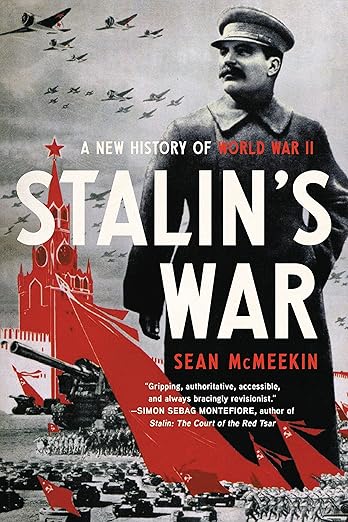
by Sean McMeekinCome here for: World War II through a fresh lensExpect: Argument-forward structureChurchill
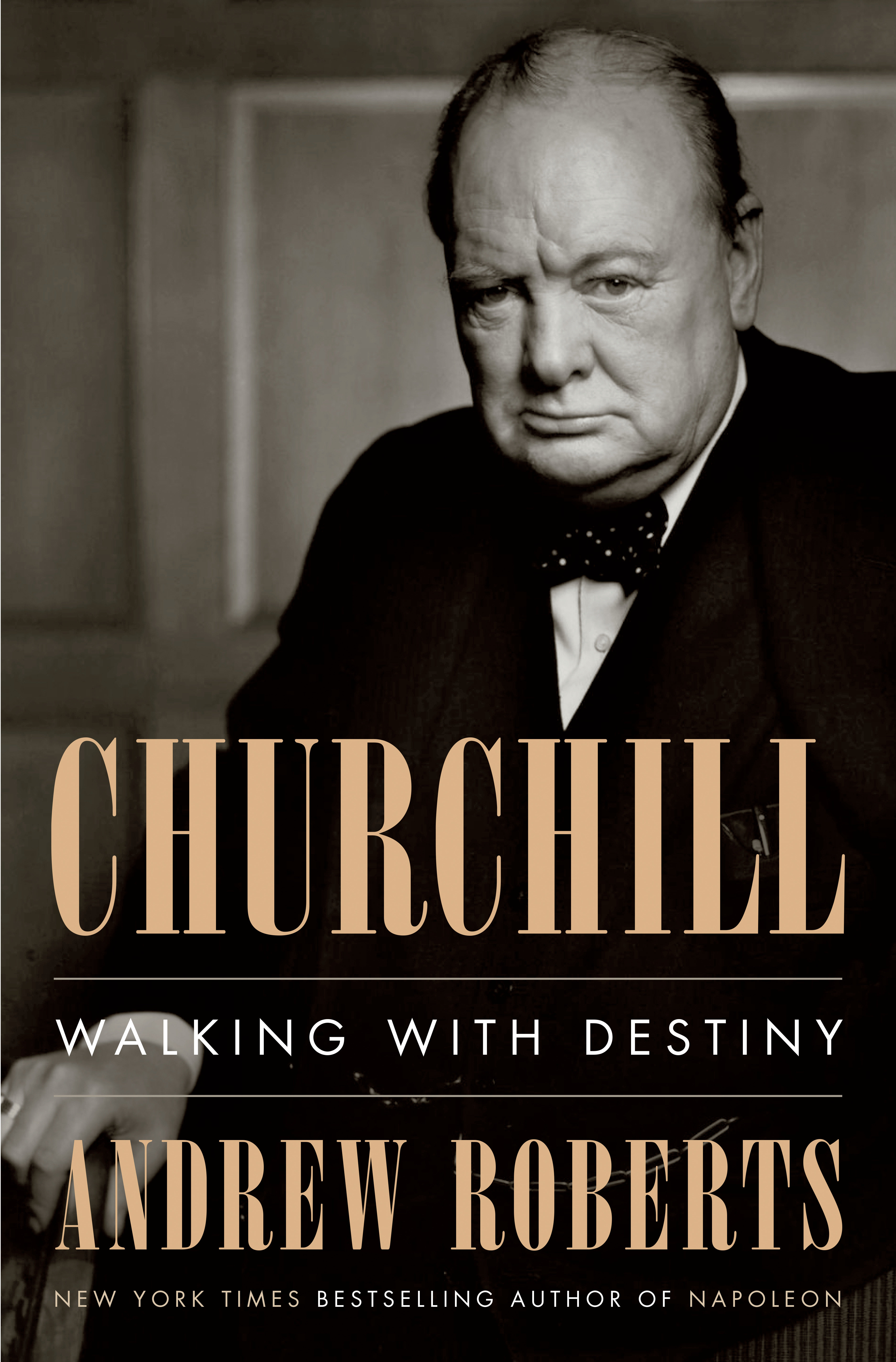
by Andrew RobertsCome here for: Churchill in the long viewExpect: Biography as historical explanationOnce Upon a Town
by Bob GreeneCome here for: A vivid meeting of home-front history and military historyExpect: An eyewitness history drawn from interviews with residents and soldiersWhere it sits:World War II HistoryMidwest History20th-Century AmericaBlood and Ruins
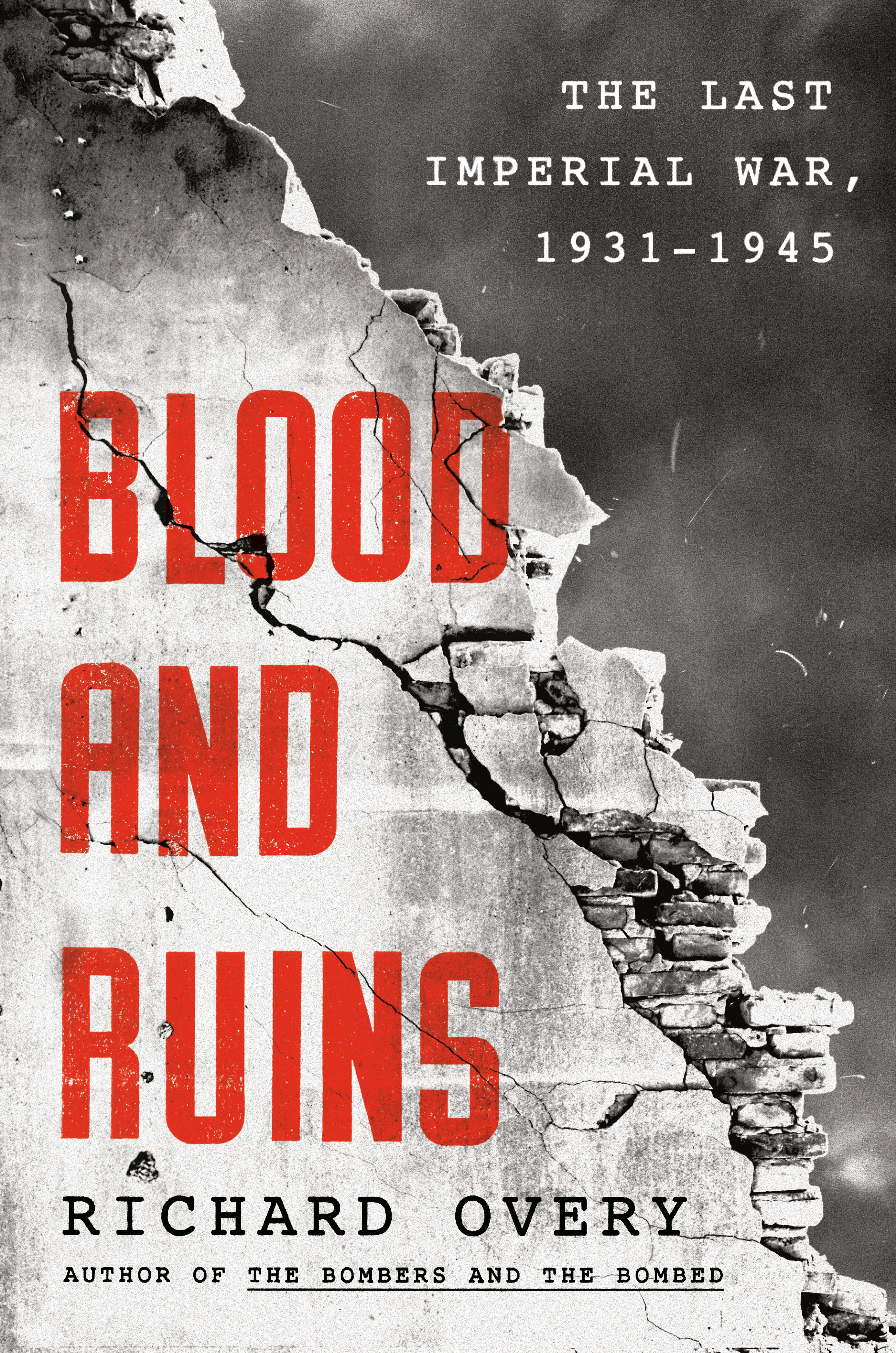
by Richard OveryCome here for: Imperial war as a sweeping frameExpect: Prestige-level history writingThe Ministry of Ungentlemanly Warfare
by Damien LewisCome here for: Wartime operations with a rogue edgeExpect: WWII history with special-forces focusNo Ordinary Time
by Doris Kearns GoodwinCome here for: Franklin and Eleanor at home-front scaleExpect: Close attention to private life and public dutyHitler
by Joachim C. FestCome here for: Hitler-focused historyExpect: Sustained narrative arcWhere it sits:German HistoryPolitical LivesWorld War II History50 Children
by Steven PressmanCome here for: A focused account of one couple’s effort to save fifty childrenExpect: A sustained narrative centered on personal courageWhere it sits:Holocaust HistoryJewish LivesWorld War II HistoryThe Dirty Tricks Department
by John LisleCome here for: OSS secret-warfare historyExpect: World War II intelligence contextThe Warriors
by J. Glenn GrayCome here for: For reflections on combat’s adrenaline and esprit de corps.Expect: Philosophical reflection drawn from wartime journals and letters.The History Buff's Guide to World War II
by Thomas R. FlagelWhere it sits:World War II HistoryMilitary HistoryHistory ResourcesTeam America
by Robert L. O'ConnellCome here for: Four-commanding-general frameExpect: Cultural-literacy contextWhere it sits:World War I HistoryMilitary LivesWorld War II HistoryThe Rifle
by Andrew BiggioCome here for: Combat stories filtered through one objectExpect: WWII veterans’ firsthand accountsWhere it sits:World War II HistoryMilitary LivesVeterans' StoriesThe Darkest Year
by William K. KlingamanCome here for: The American home front beyond battlefield accountsExpect: A focus on public words and everyday behaviorOperation Chowhound
by Stephen Dando-CollinsCome here for: Wartime aviation detail with a food-angle hookExpect: Bomber mission focusWolfpack
by Roger MoorhouseWhere it sits:World War II HistoryNaval HistorySubmarinesWar And Peace
by Nigel HamiltonCome here for: The argument over who drove the D-day invasionExpect: High-level decisions rendered in dramatic detailThe Typewriter and the Guillotine
by Mark BraudeCome here for: Parisian prewar atmosphereExpect: Cultural context firstWhere it sits:Lives in JournalismSerial KillersWorld War II HistoryThe Long Night
by Steve WickCome here for: Clear-eyed Cold War-era contextExpect: Daily-dip readabilityThe Confidante
by Christopher C. GorhamCome here for: Wartime influence, quietly wieldedExpect: 20th-century America in focusWhere it sits:Women's LivesPolitical LivesWorld War II HistoryWeapons of World War II
by G.M. BarnesCome here for: Coverage of World War II weaponsExpect: Discussion of aircraft armamentThe Invisible Spy
by Thomas MaierCome here for: A football player turned White House insider, working with Churchill’s agentsExpect: A lively blend of personal story and espionage historyThe Wounded Generation
by David NasawCome here for: Postwar return, not battlefield pagesExpect: Cultural literacy with a historian’s restraintWhere it sits:PTSD & TraumaWorld War II HistoryVeterans' StoriesThe Accidental President
by A. J. BaimeCome here for: Truman under pressureExpect: Classroom-ready contextThe First War of Physics
by Jim BaggottCome here for: The collision of scientific ambition, wartime urgency, and espionageExpect: A ten-year historical sweep, from fission’s discovery to the first Soviet bomb testWhere it sits:World War II HistoryNuclear WarfareNuclear PhysicsDesert War Trilogy
by Alan MooreheadCome here for: A sweeping view of Montgomery and Rommel’s desert campaignExpect: Campaign history attentive to military scale and individual momentsThe Arms of Krupp
by William ManchesterCome here for: Industrial power and war in one long arcExpect: Broad sweep across wartime GermanyKilling Shore
by K. A. NelsonAdvance Britannia
by Alan Allport