Concentrated Markets: AI Chips, Oil, and Liquidity
Six books on why global indexes now hinge on a small set of chipmakers, energy chokepoints, and central-bank liquidity rather than broad economic strength.
Optimized for books about Understand why stock markets keep rising on concentrated AI, semiconductor, and commodity winners despite geopolitical and macro shocks..



Our reading of each book:Come here forExpectWhere it sits
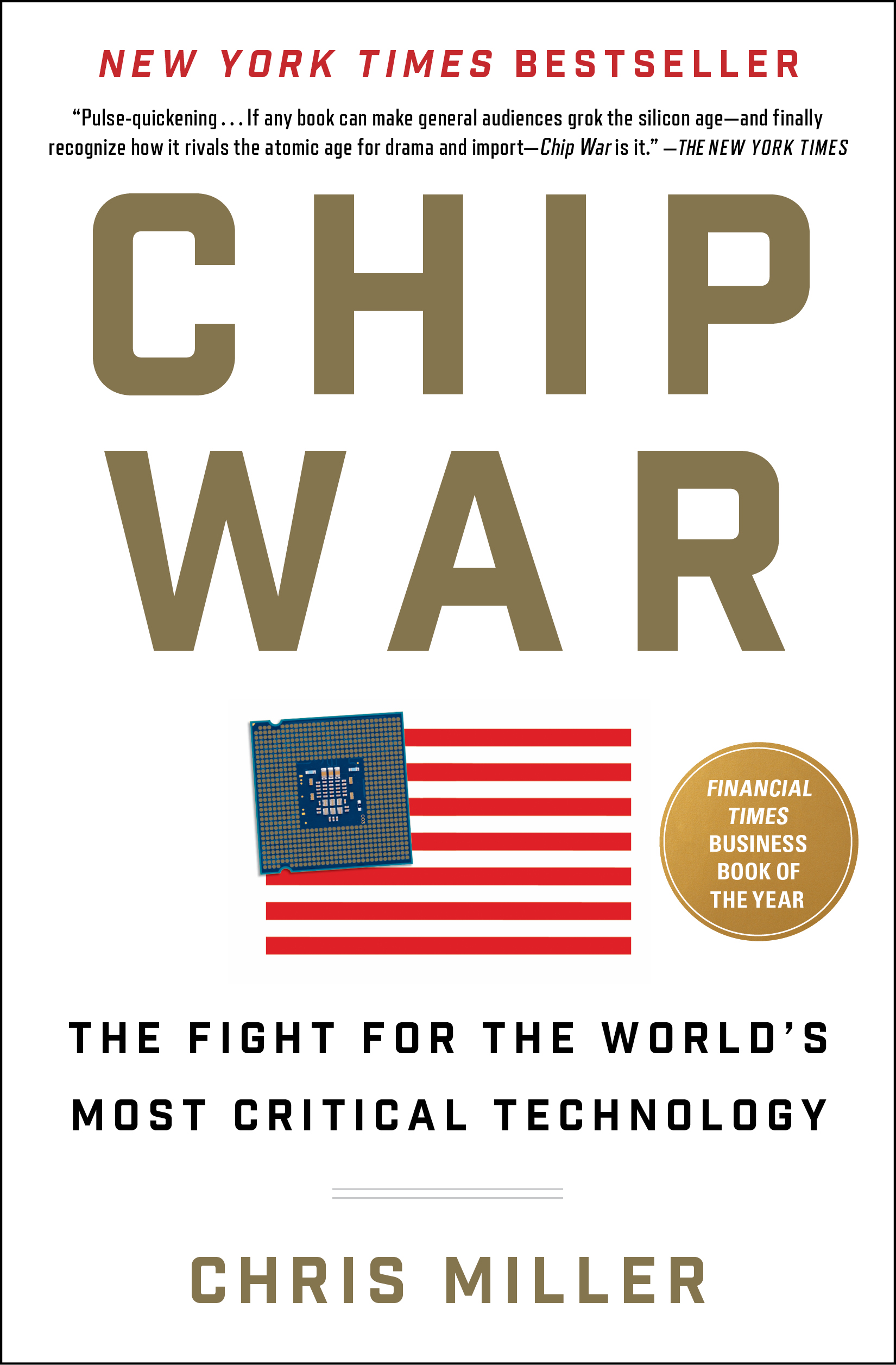
Chip War
by Chris MillerChip War explains the geopolitics and industrial control of semiconductors that underlie AI-driven stock concentration...
Come here for: Chips as the quiet machinery behind everythingExpect: Clear explanation over jargonWhere it sits:MicroprocessorsGeopoliticsScience & Tech PolicyThe Nvidia Way
by Tae KimThe Nvidia Way offers company-level strategy and industry context for how a few GPU and chip firms become market-moving...
Come here for: Jensen Huang and the tech-world rise storyExpect: Career and ambition anglesWhere it sits:Tech IndustryBusiness LivesAI & Machine LearningChokepoints
by Edward FishmanChokepoints connects energy geopolitics and oil-price shocks to broader market movements and national leverage over...
Come here for: Economic warfare, clearly unpackedExpect: Diplomacy and trade, closely intertwinedWhere it sits:GeopoliticsSecurity StudiesPolitical EconomyThe Lords of Easy Money
by Christopher LeonardThe Lords of Easy Money shows how central-bank policy and liquidity have kept markets elevated despite geopolitical and...
Come here for: A sharp look at quantitative easing and its economic aftershocksExpect: A critical inside account of the Fed’s choicesWhere it sits:Money & Monetary PolicyMacroeconomicsEconomic PolicyThe Problem of Twelve
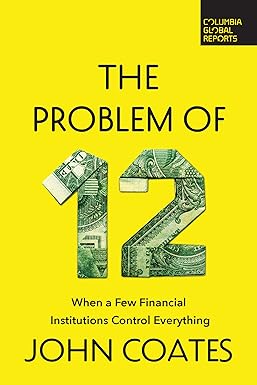
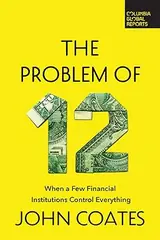
by John CoatesThe Problem of Twelve analyzes the political and economic risks when a small set of firms gain outsized influence over...
Where it sits:Corporate GovernancePrivate EquityPolitical EconomyFlash Boys
by Michael LewisFlash Boys provides historical context on market structure, algorithmic trading, and concentration pressures that...
Come here for: Michael Lewis’s sharp, clean proseExpect: Finance stripped of its jargon hazeWhere it sits:StocksBusiness EthicsFinancial Services