Hormuz as Bargaining Chip
Books that explain how Iran converts control over narrow waterways, oil infrastructure, and regional proxy networks into economic and political leverage against the United States and Israel.
Optimized for books about understanding how Iran uses the Strait of Hormuz and energy chokepoints as strategic leverage in its conflicts with the US and Israel.

Our reading of each book:Come here forExpectWhere it sits
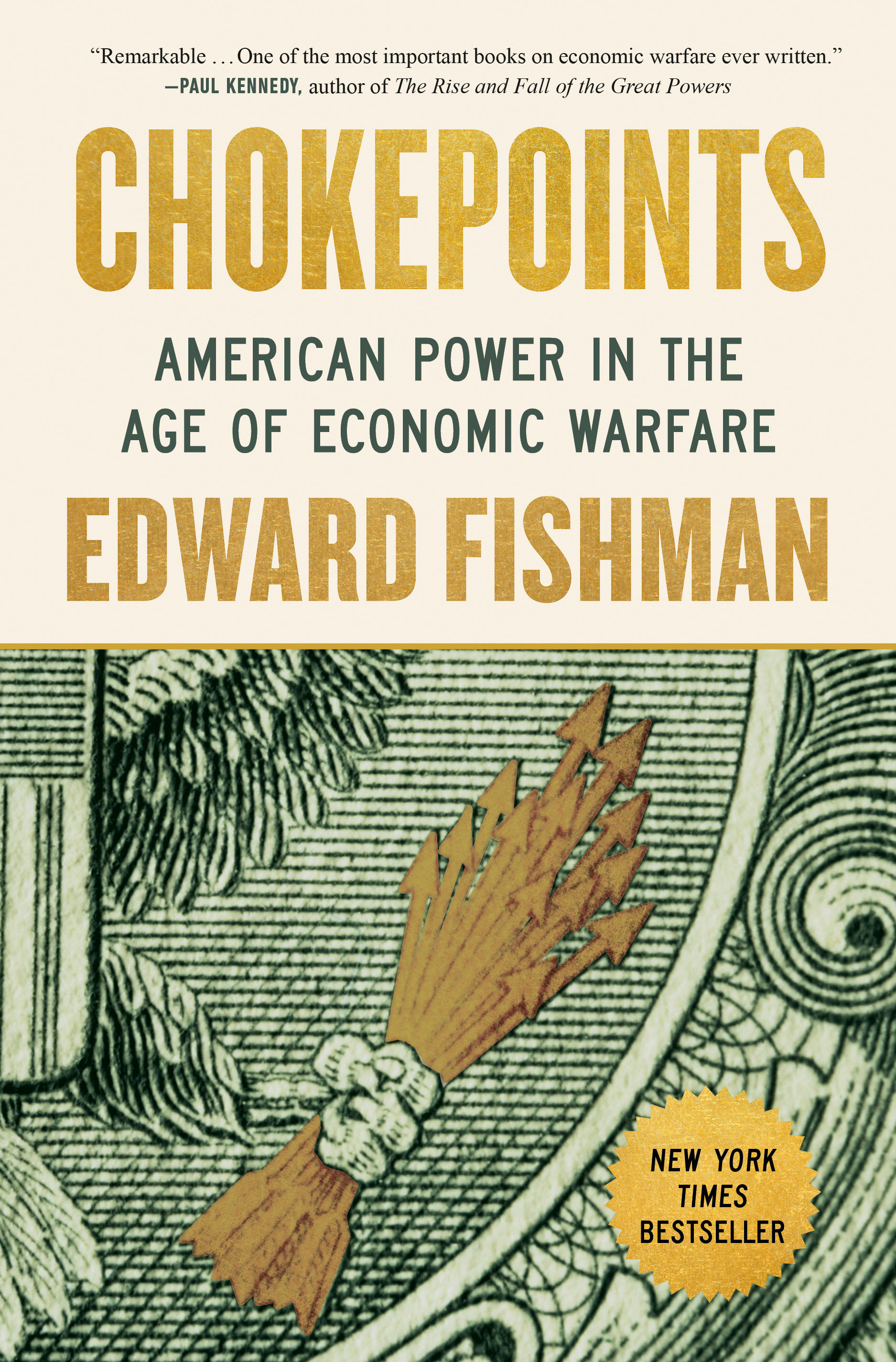
Chokepoints
by Edward FishmanChokepoints explains how narrow maritime routes like Hormuz shape global trade, energy security, and the strategic...
Come here for: Economic warfare, clearly unpackedExpect: Diplomacy and trade, closely intertwinedWhere it sits:GeopoliticsSecurity StudiesPolitical EconomyThe Oil Kings
by Andrew Scott CooperThe Oil Kings traces the global economic impact of disruptions to oil markets and why attacks on Gulf infrastructure...
Come here for: The U.S.–Iran–Saudi triangle, told through oil and powerExpect: Clear historical framingIran's Rise and Rivalry with the US in the Middle East
by Mohsen M. MilaniIran's Rise and Rivalry With the US in the Middle East provides the political and proxy-network history that underpins...
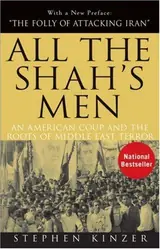
Come here for: Iran’s foreign policy strategy and its regional implicationsExpect: Iran’s ties with Syria, Hamas, Hezbollah, Iraqi militias, and the HouthisWhere it sits:Middle Eastern PoliticsGeopoliticsIranian HistoryAll the Shah's Men
by Stephen KinzerAll the Shah's Men offers historical context on US-Iran intervention and the origins of modern Iranian state behavior...
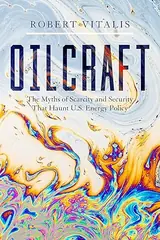
Come here for: The coup’s diplomatic aftershocksExpect: History with geopolitical consequencesOilcraft
by Robert VitalisOilcraft reframes common assumptions about oil dependence and shows how political and economic myths influence policy...
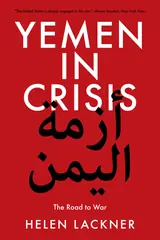
Come here for: A challenge to familiar claims about oil access and scarcityExpect: Oil treated as a commodity subject to market forcesWhere it sits:Middle Eastern PoliticsEnergy PolicyGeopoliticsYemen in Crisis
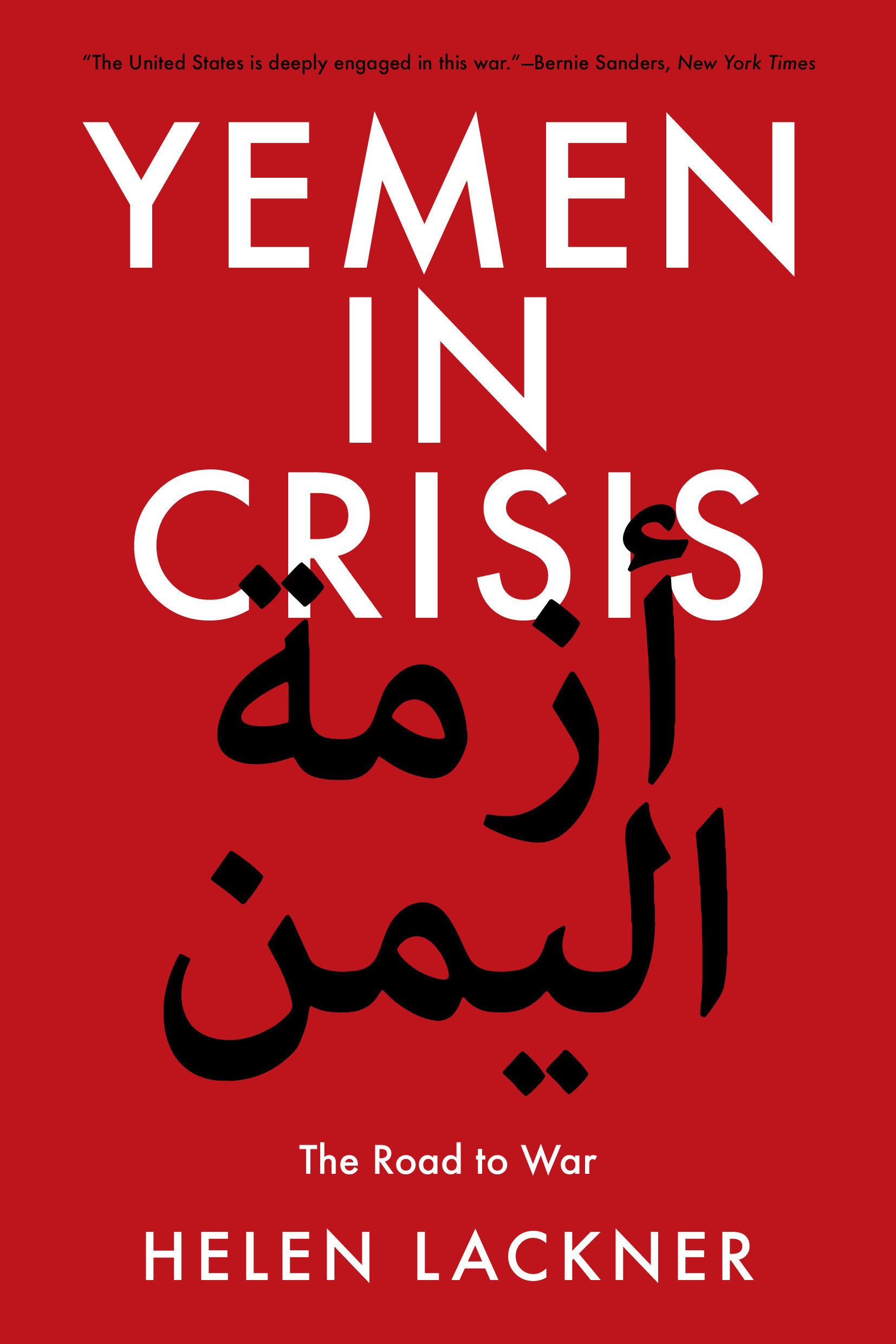
by Helen LacknerYemen in Crisis illuminates how regional conflicts and proxy wars tied to Iran affect maritime security and the...