
Oilcraft
The Myths of Scarcity and Security That Haunt U.s. Energy Policy
Stanford University Press · Print & ebook · July 14, 2020
A bracing corrective to the myths that have shaped economic, military, and diplomatic policy, dispelling our oil-soaked fantasies of dependence.
We earn from qualifying purchases.
- Who it’s for
- Robert Vitalis examines oil scarcity myths and their consequences for U.S. policy and Saudi relations.
- Genres
- Geopolitics, Middle Eastern Politics, Energy Policy
- Published
- Stanford University Press, July 14, 2020
Nearest books
Matched by what the books are about, then ordered by what their readers also loved.
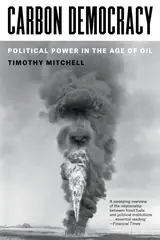 Carbon DemocracyTimothy Mitchell64% matchShares Energy Policy
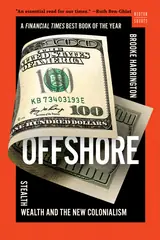 OffshoreBrooke Harrington47% match
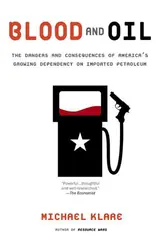 Blood and OilMichael T. Klare72% matchShares Geopolitics and Energy Policy
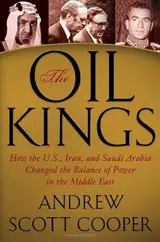 The Oil KingsAndrew Scott Cooper69% matchShares Middle Eastern Politics
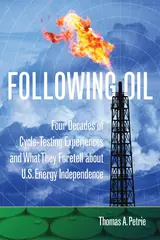 Following OilThomas A. Petrie64% matchShares Energy Policy
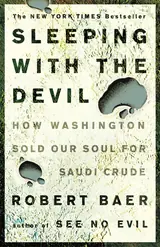 Sleeping With the DevilRobert Baer63% matchShares Middle Eastern Politics
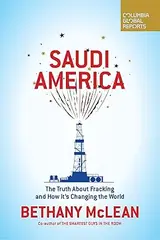 Saudi AmericaMs. Bethany McLean, Bethany McLean63% matchShares Geopolitics
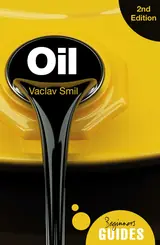 OilVaclav Smil63% match
For younger readers: Black Gold
Start with three books, and this one can be the first.
Members get a new edition every morning: a route out from their books to essays, research and talks, with the reason for each.
Join the waitlistAbout this book
A bracing corrective to the myths that have shaped economic, military, and diplomatic policy, dispelling our oil-soaked fantasies of dependence.
Continue reading
There is a conventional wisdom about oil—that the U.S. military presence in the Persian Gulf is what guarantees access to this strategic resource; that the "special" relationship with Saudi Arabia is necessary to stabilize an otherwise volatile market; and that these assumptions in turn provide Washington enormous leverage over Europe and Asia. Except, the conventional wisdom is wrong. Robert Vitalis debunks the myths to reveal "oilcraft," a line of magical thinking closer to witchcraft than statecraft. Oil is a commodity like any other: bought, sold, and subject to market forces. Thus, the first goal of this book is to expose the suspect fears of oil scarcity and conflict. The second goal is to investigate the significant geopolitical impact of these false beliefs. In particular, Vitalis shows how we can reconsider the question of the U.S.–Saudi special relationship, which confuses and traps many into unnecessarily accepting what they imagine is a devil's bargain. The House of Saud does many things for U.S. investors, firms, and government agencies, but guaranteeing the flow of oil, making it cheap, or stabilizing the price isn't one of them. Freeing ourselves from the spell of oilcraft won't be easy—but the benefits make it essential.
Oilcraft and Policy
Robert Vitalis examines oil scarcity myths and their consequences for U.S. policy and Saudi relations.
Come here for
- A challenge to familiar claims about oil access and scarcity
- An examination of the U.S.–Saudi relationship
Expect
- Oil treated as a commodity subject to market forces
- Geopolitical consequences of mistaken beliefs about oil
Where it sits
| Middle Eastern Politics | 51% |
|---|---|
| Energy Policy | 48% |
| Geopolitics | 36% |
Percentages are BookFrontier’s reading of the book.
Publisher categories
- Arabian Peninsula History
- 21st-Century America
- International Relations
- Authors
- Robert Vitalis
- Publisher
- Stanford University Press
- Published
- July 14, 2020
- Format
- Print & ebook
- Reading lane
- Arabian Peninsula History