Starving Whales: Ocean Heat and Food-Web Collapse
A reading path from the Pacific gray whale collapse to its deeper causes: marine heat, vanishing prey, and the human pressures reshaping ocean life.
Optimized for books about Understand why Pacific gray whales are dying off and how climate-driven ocean warming and food-web disruption are stressing marine ecosystems..

Our reading of each book:Come here forExpectWhere it sits
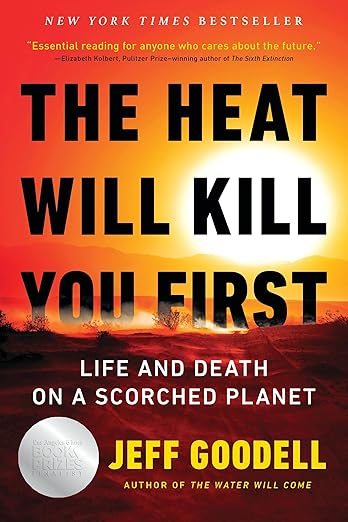
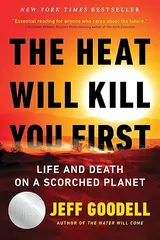
The Heat Will Kill You First
by Jeff GoodellJeff Goodell connects extreme heat and human systems to biological vulnerability, directly explaining how warming...
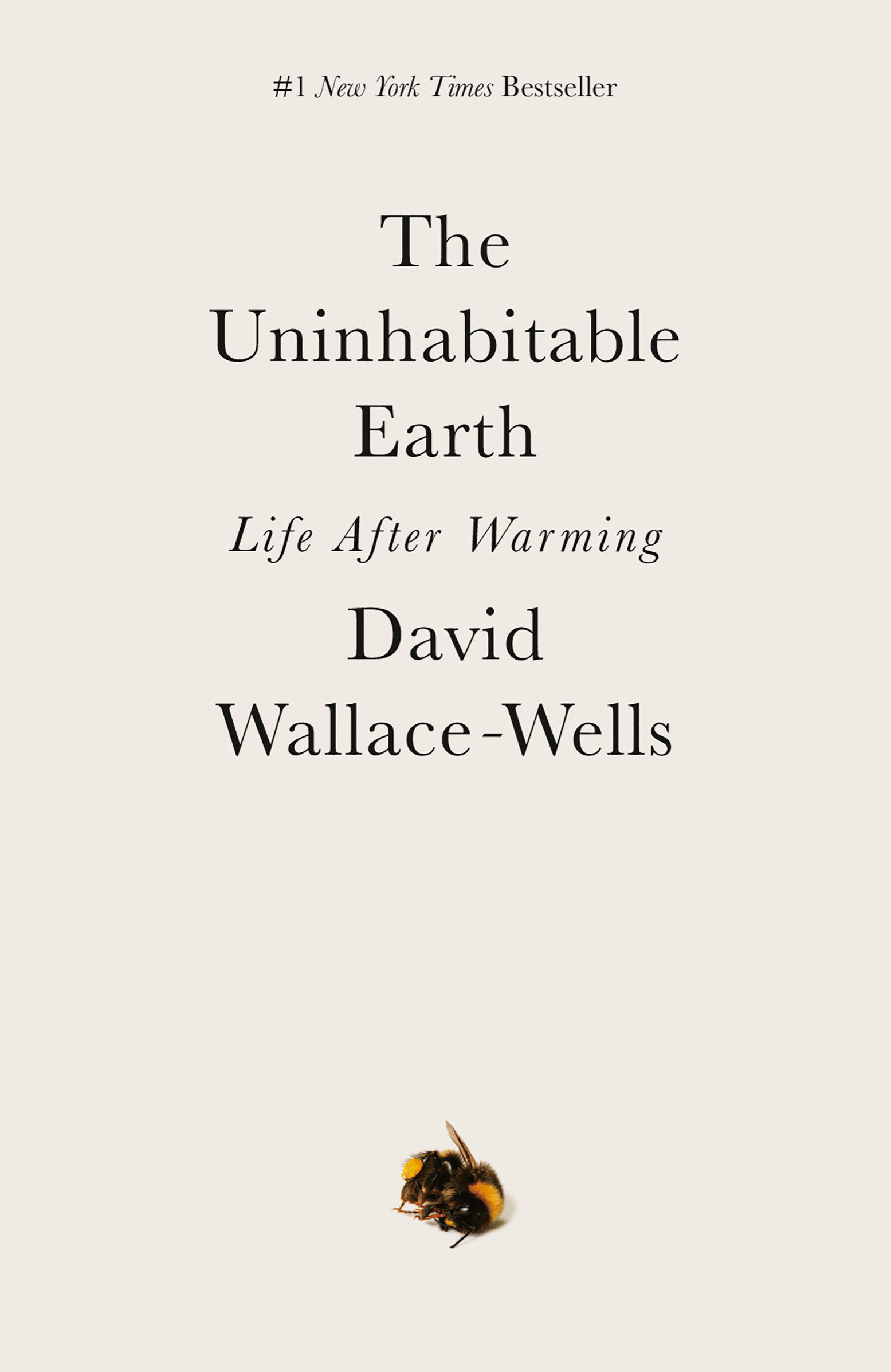
Come here for: A clear-eyed look at extreme heat and the climate crisisExpect: Reporting that connects climate science to food, disease, and public lifeThe Uninhabitable Earth
by David Wallace-WellsDavid Wallace-Wells maps cascading climate risks and societal consequences that contextualize a large-mammal mortality...
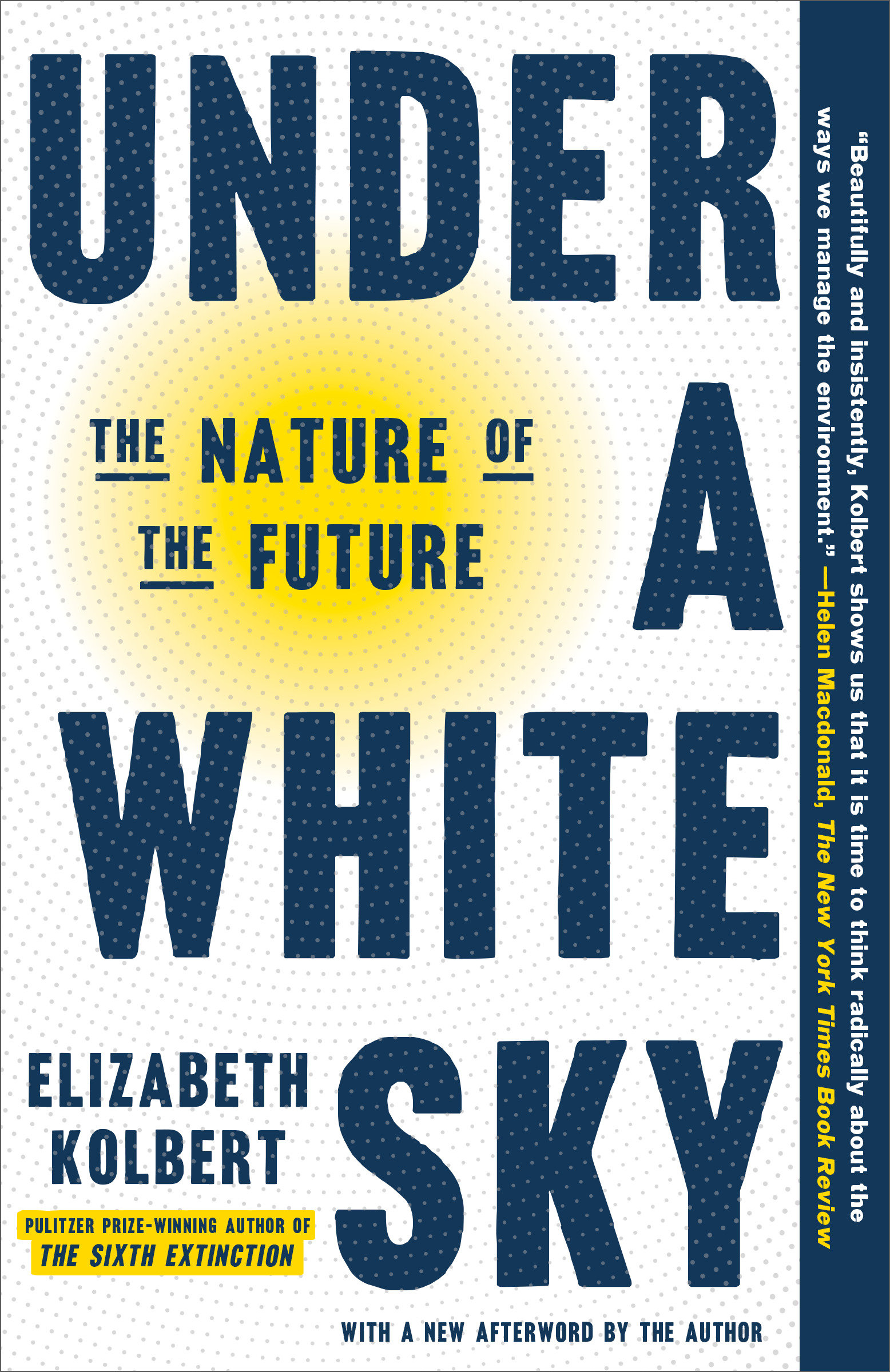
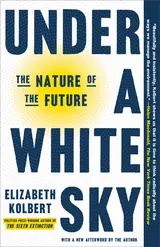
Come here for: Climate change framed through its human and political consequencesExpect: A vivid meditation on possible futures, not just rising seasUnder a White Sky
by Elizabeth KolbertKolbert examines human interventions and ecological tipping points, offering cases and science that illuminate species...
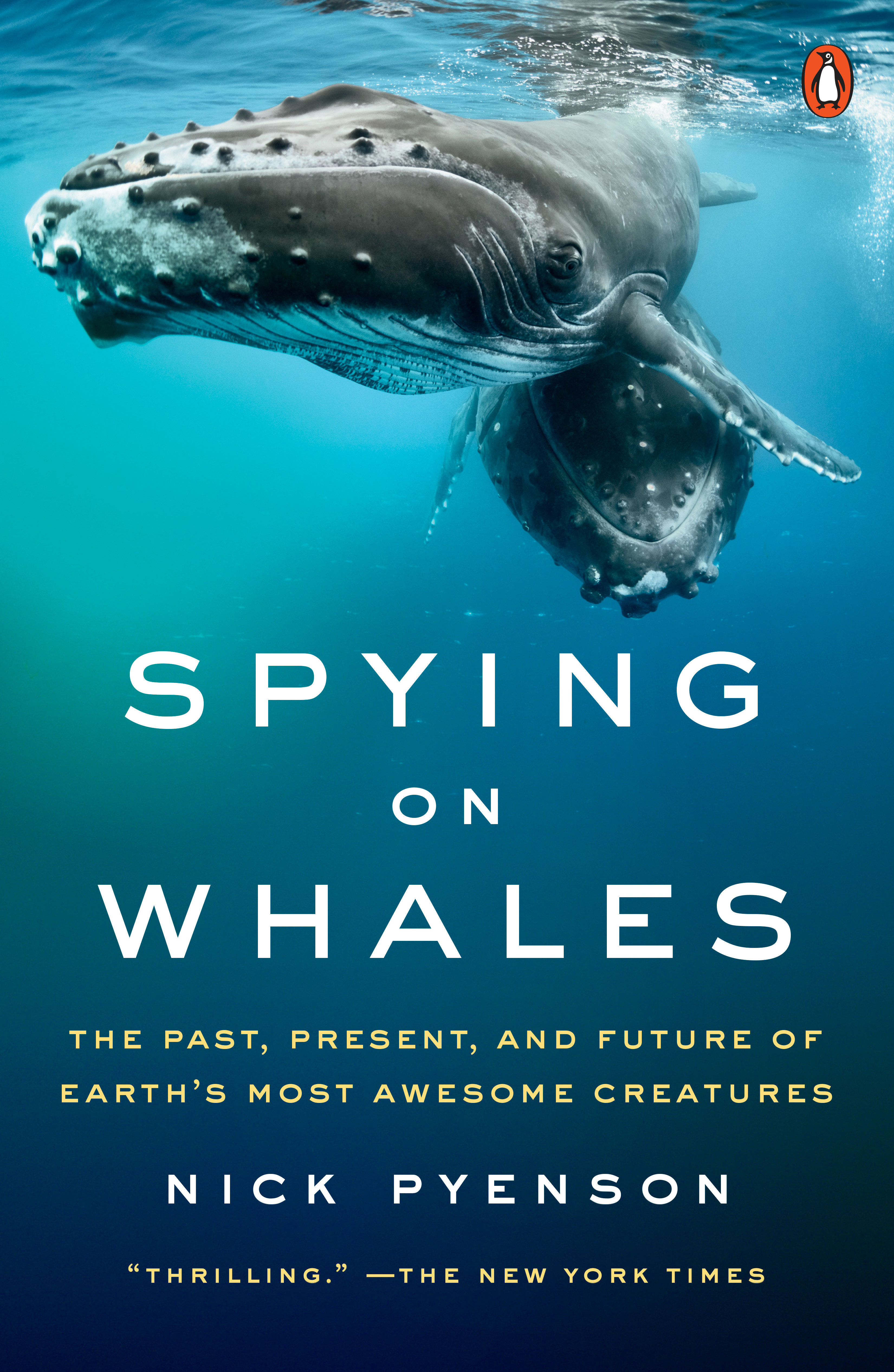
Come here for: Nature writing with a systems-minded edgeExpect: Animals and science in close conversationWhere it sits:Environmental ScienceClimate ChangeConservationSpying on Whales
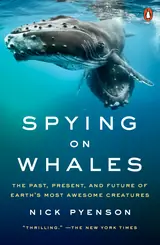
by Nick PyensonNick Pyenson provides cetacean-focused science and evolutionary context to help readers understand whale biology,...
Come here for: Whales, without the fog machineExpect: Past-present-future frameWhere it sits:Marine BiologyPaleontology & FossilsMarine LifeThe Gulf
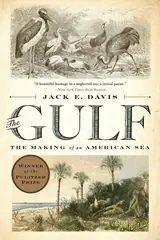
by Jack E. DavisJack E. Davis traces coastal ecological history and human impacts, linking regional ocean changes to fisheries,...
Come here for: Gulf history, not just Gulf sceneryExpect: History braided with nature writingWhere it sits:Oceans & SeasSouthern U.S. HistoryCoasts & ShorelinesEvery Last Fish
by Rose GeorgeRose George explains fishing industry and food-web pressures that help explain prey declines and economic drivers...
Where it sits:FishMarine BiologyThe Food Business