Greenland Melts: Whales, Ice, and Stakes
As sea ice retreats and glaciers calve, whales move into once-frozen fjords and the Arctic becomes a contested, fast-changing frontier, and these books trace the biology, cryosphere, and geopolitics of that shift.
Optimized for books about Books explaining how Greenland's climate-driven ice loss and ocean warming are reshaping Arctic marine life and human interests..
Our reading of each book:Come here forExpectWhere it sits
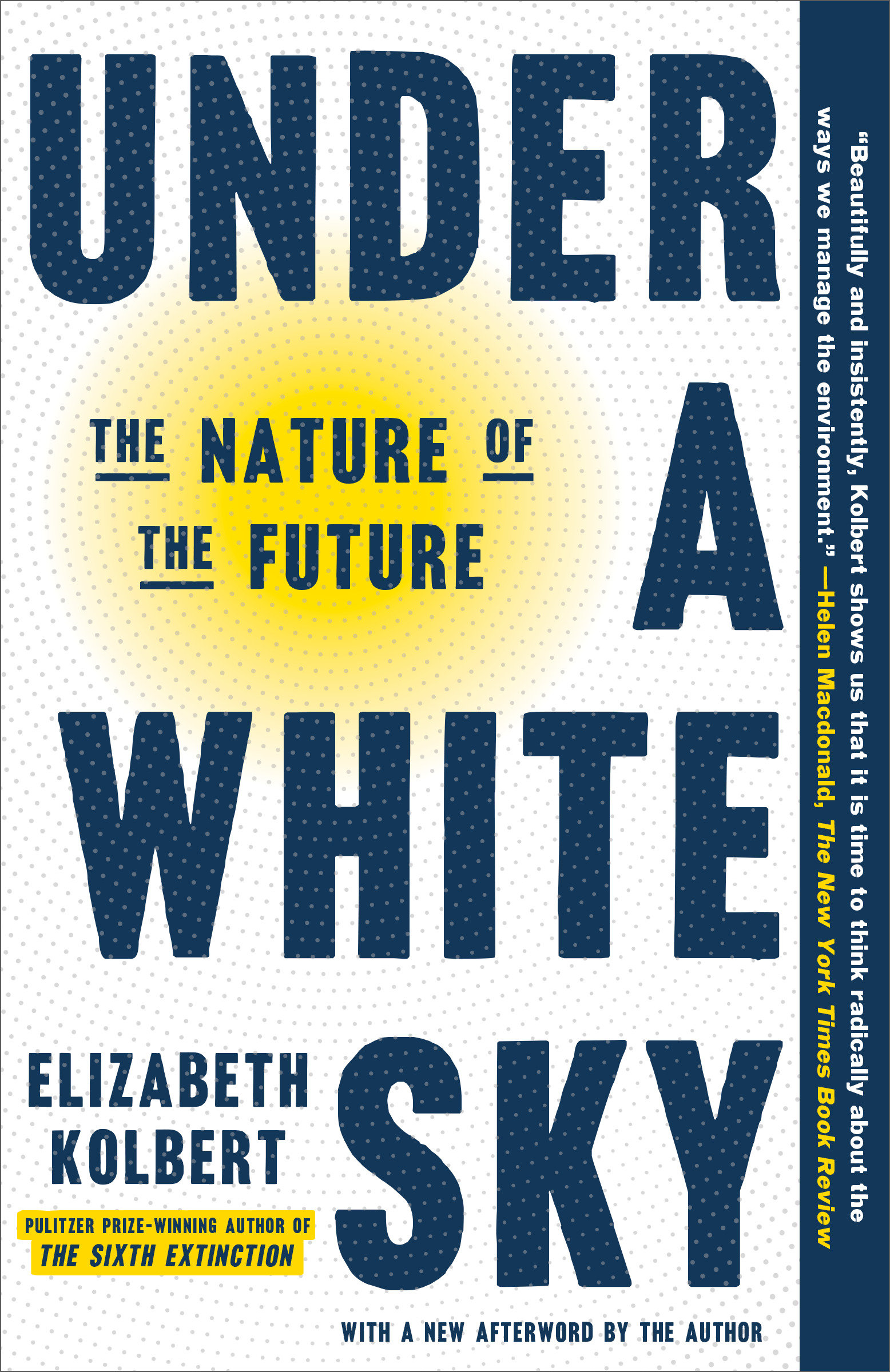
Under a White Sky
by Elizabeth KolbertKolbert’s exploration of human-driven environmental interventions and consequences situates Greenland ice loss within...
Come here for: Nature writing with a systems-minded edgeExpect: Animals and science in close conversationWhere it sits:Environmental ScienceClimate ChangeConservationCamp Century
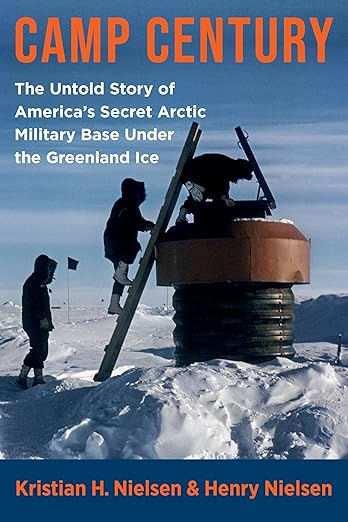
by Henry Nielsen, Kristian Hvidtfeldt NielsenCamp Century’s Cold War history of Greenland demonstrates human strategic interest in the Arctic and historical...
Come here for: The plan to aim nuclear warheads at the Soviet UnionExpect: High-level politics and ice-core researchWhere it sits:Polar Regions HistoryCold War HistoryNuclear WarfareSecrets of the Whales
by Brian SkerrySecrets of the Whales provides intimate natural-history context for whale behavior and ecology, directly matching...
Come here for: Underwater imagesExpect: Nonfiction framingWhere it sits:Marine LifeUnderwater PhotographyMarine BiologySpying on Whales
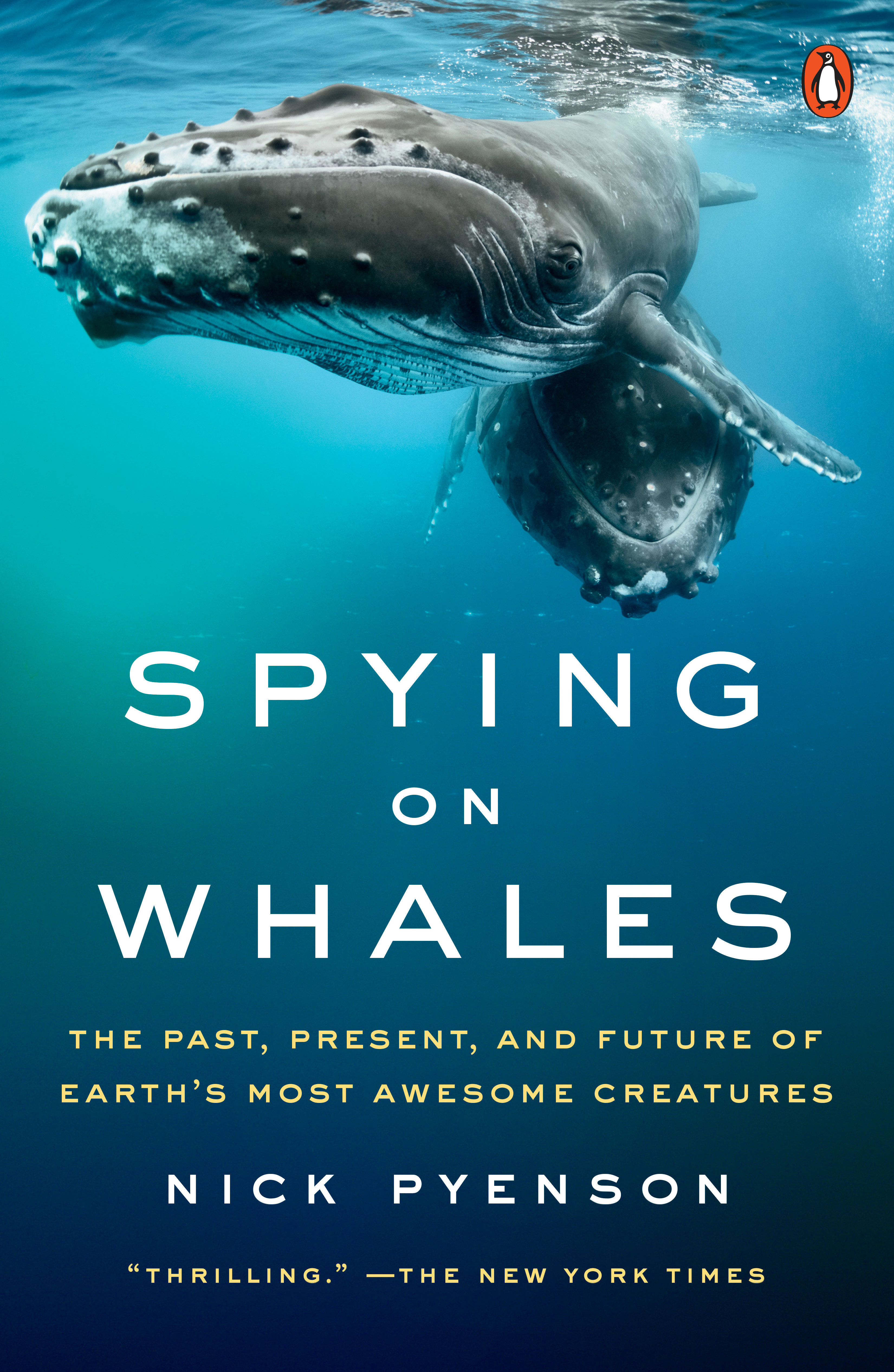
by Nick PyensonSpying on Whales links scientific discovery and cetacean research methods that explain how researchers detect and...
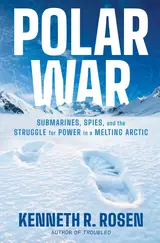
Come here for: Whales, without the fog machineExpect: Past-present-future frameWhere it sits:Marine BiologyPaleontology & FossilsMarine LifePolar War
by Kenneth R. RosenPolar War analyzes the intersection of climate change, geopolitics, and economic opportunity in polar regions, relevant...
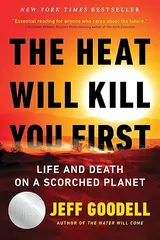
Come here for: Submarines and spiesExpect: Cultural context without much jargonWhere it sits:GeopoliticsClimate ChangeSecurity StudiesThe Heat Will Kill You First
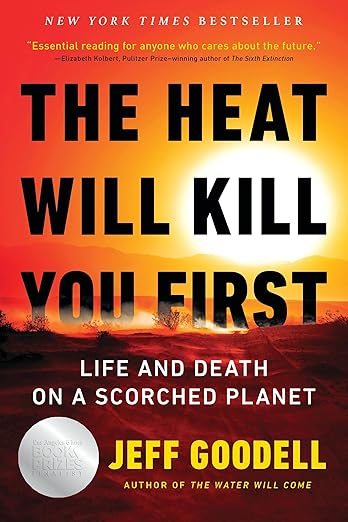
by Jeff GoodellGoodell’s examination of lethal heat and climate risks provides a readable synthesis of warming consequences that helps...
Come here for: A clear-eyed look at extreme heat and the climate crisisExpect: Reporting that connects climate science to food, disease, and public life