Racing the National Mall: Power, Cars, and Public Space
Reading on executive authority, the cultural pull of the automobile, and what happens to a city when its civic core is handed over to a corporate-backed spectacle.
Optimized for books about Understand the politics, urban consequences, and cultural meaning of staging a presidential-backed IndyCar race on the National Mall..

Our reading of each book:Come here forExpectWhere it sits
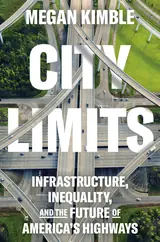
City Limits
by Megan KimbleExamines how car-focused policy and infrastructure reshape cities and communities, directly illuminating the...
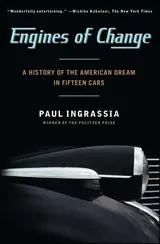
Come here for: Highways as political spaceExpect: Infrastructure and inequalityEngines of Change
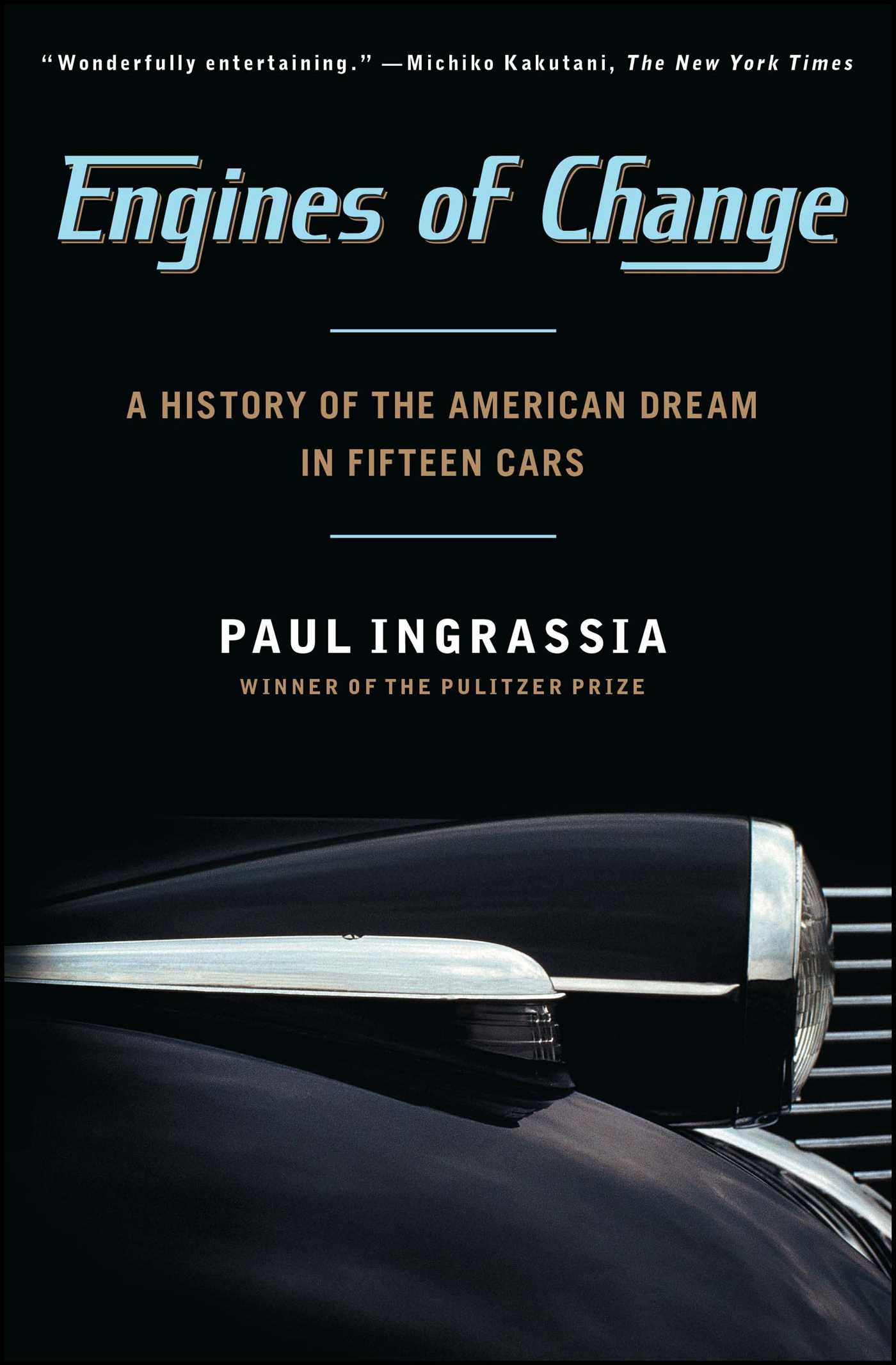
by Paul IngrassiaProvides cultural and historical context for how automobiles have symbolized and shaped American identity, helping...
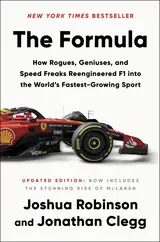
Come here for: Fifteen automobiles, from the Model T to the PriusExpect: Narrative cultural history told through cars and the people behind themThe Formula
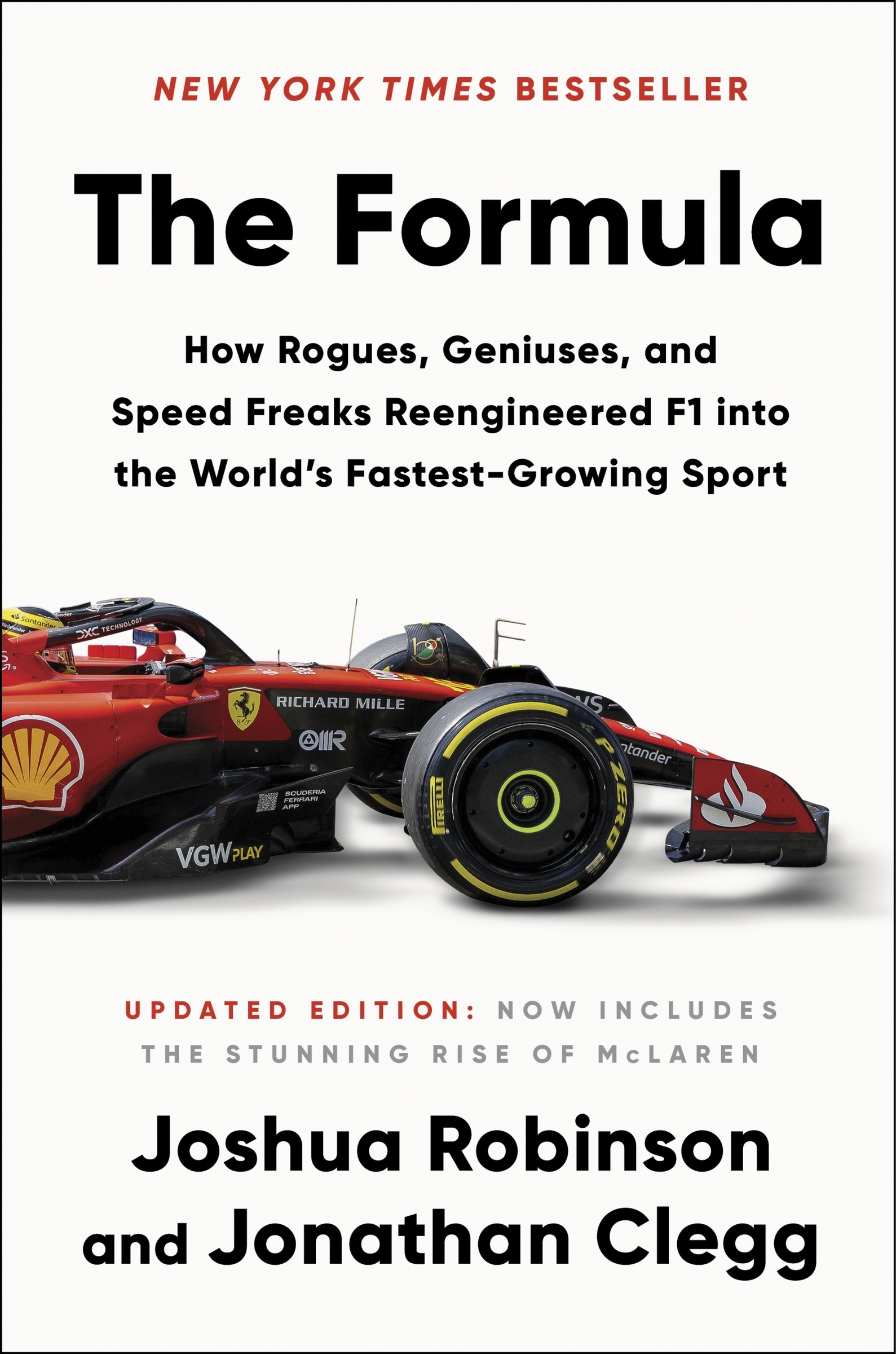
by Joshua Robinson, Jonathan CleggOffers an inside view of modern motorsport economics and organization, useful for understanding how series stage...
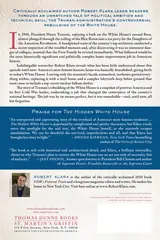
Come here for: F1’s messy human engineExpect: Sharp, reportorial proseWhere it sits:Auto RacingBusiness of SportsAutomobile IndustryThe Hidden White House
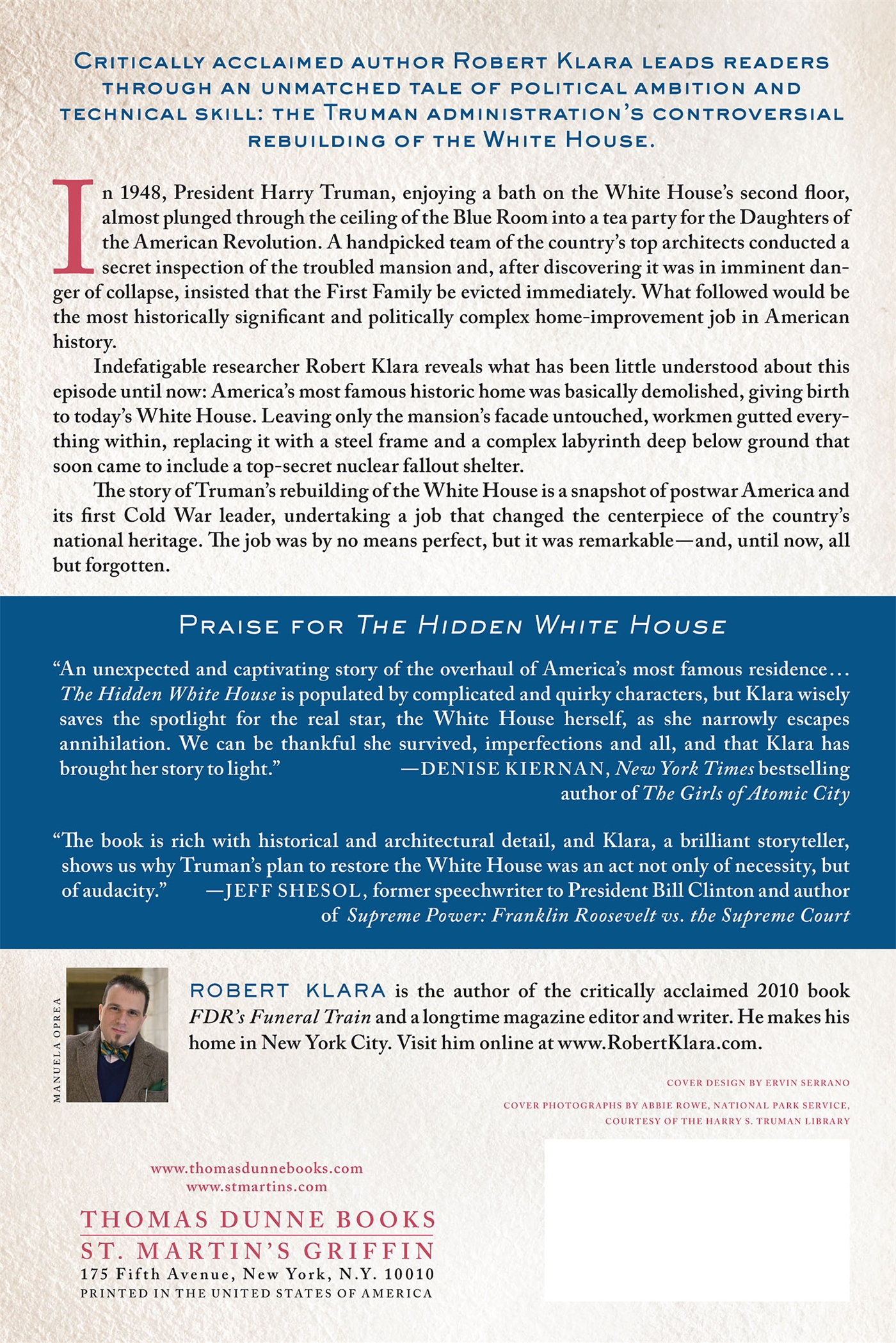
by Robert KlaraExplains presidential construction and modification of executive spaces, relevant to questions about executive orders...
Come here for: White House history with a builder’s-eye angleExpect: Measured historical detailFreedom’s Dominion
by Jefferson CowieExplores contested ideas of freedom in American history, framing debates about patriotism, public spectacle, and whose...
Come here for: White resistance and federal powerExpect: Pulitzer-winning historyWhere it sits:Southern U.S. History20th-Century AmericaCivil RightsFreedom to Move
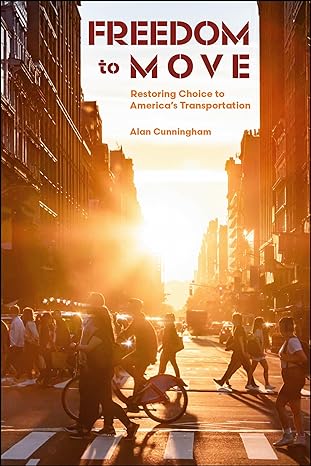
by Alan CunninghamDiscusses transportation planning and alternatives to car-centric design, offering policy perspective on public-space...
Come here for: A history of traffic-centered transportation in the United StatesExpect: An argument for more transportation choice, grounded in data