The Warsh Fed: Balance Sheets and Market Plumbing
With Kevin Warsh taking the chair and signaling reform, these books explain the Fed's balance sheet, crisis tools, and the market plumbing any new regime has to work through.
Optimized for books about Understand how a new Fed chair could reshape monetary policy, the central bank's balance sheet, and the financial market infrastructure it backstops..


Our reading of each book:Come here forExpectWhere it sits
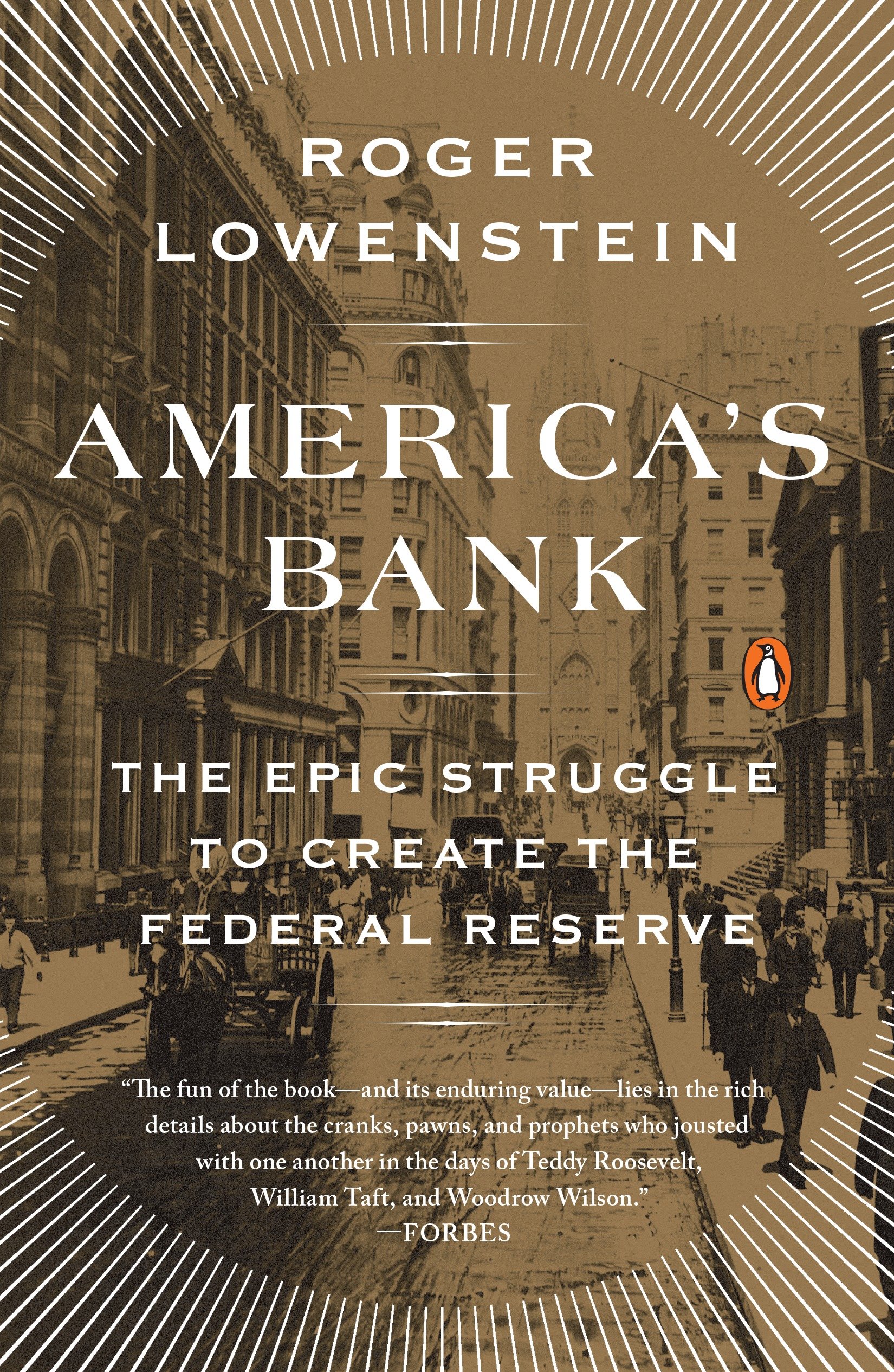
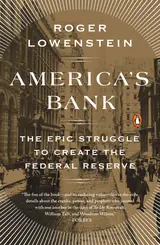
America's Bank
by Roger LowensteinAmerica's Bank provides the historical foundation for how the Fed evolved into its modern balance-sheet role that Warsh...
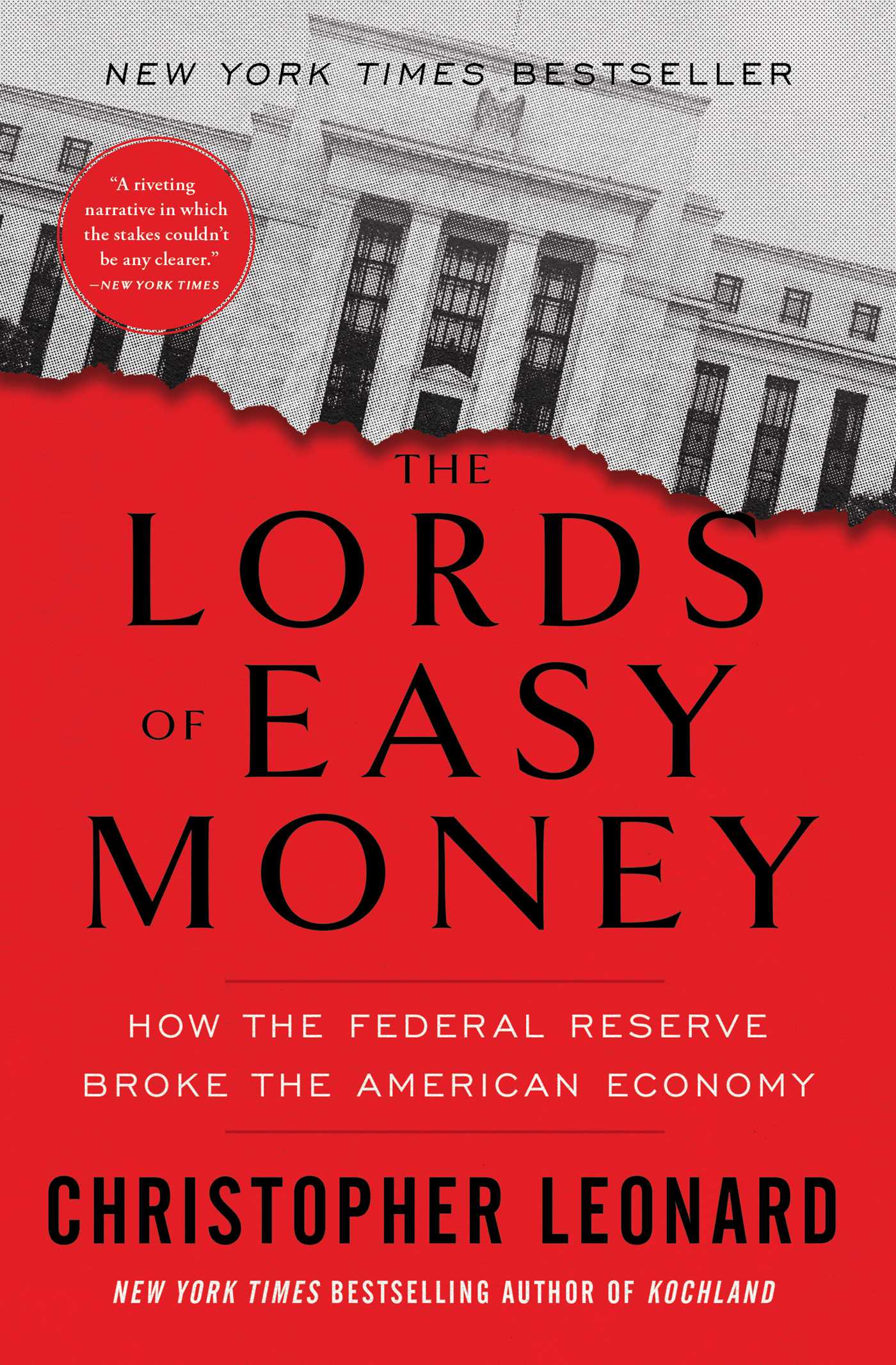
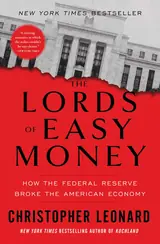
Come here for: Money-and-power politicsExpect: Patient narrative arcThe Lords of Easy Money
by Christopher LeonardThe Lords of Easy Money documents recent Fed policy choices and the institutional incentives behind large-scale...
Come here for: A sharp look at quantitative easing and its economic aftershocksExpect: A critical inside account of the Fed’s choicesWhere it sits:Money & Monetary PolicyMacroeconomicsEconomic PolicyToo Big to Fail
by Andrew Ross SorkinToo Big to Fail gives an inside account of crisis-era interventions that shaped current Fed tools and market backstops.
Come here for: Wall Street and Washington, side by sideExpect: Prestige nonfiction paceWhere it sits:Banks & BankingEconomic HistoryMoney & Monetary PolicyFlash Boys
by Michael LewisFlash Boys explains the market plumbing and high-speed trading ecosystem that interacts with Fed liquidity operations.
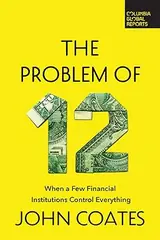
Come here for: Michael Lewis’s sharp, clean proseExpect: Finance stripped of its jargon hazeWhere it sits:StocksBusiness EthicsFinancial ServicesThe Problem of Twelve
by John CoatesThe Problem of Twelve analyzes concentration in financial institutions and why Fed rules for market support matter for...
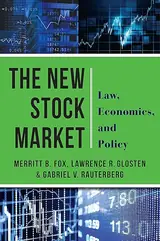
Where it sits:Corporate GovernancePrivate EquityPolitical EconomyThe New Stock Market
by Merritt B. Fox, Lawrence GlostenThe New Stock Market explains structural market changes and microstructure that the Fed must consider when altering...
Come here for: How high-frequency trading and dark pools fit into U.S. stock marketsExpect: Market institutions and regulatory architectureWhere it sits:StocksSecurities LawInvestment & Trading Strategies