Classic Dystopian Books With Real Moral Weight
Half these futures arrive as a rescue, from benevolent aliens to a perfect island, and the real question is what it costs.
Optimized for books about classic dystopian.
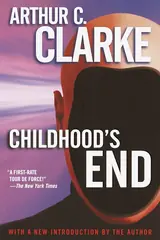
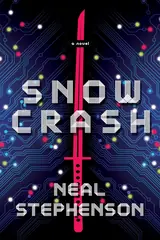
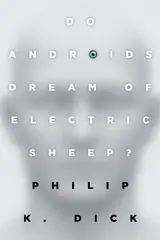
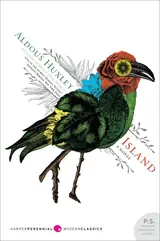
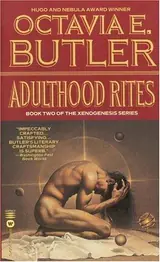
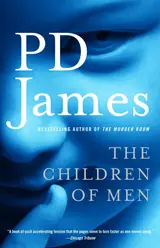
Classic dystopias don't all start with jackboots. In this stretch of the list, the end of the world shows up as spaceships over every city, as twenty-five years without a single birth, and as a Los Angeles carved into franchise strips and walled city-states. These are the books that built the genre's vocabulary: androids hiding among humans, a metaverse before anyone called it that, aliens who save humanity on terms it never agreed to. If you want speculation with real moral weight, start with Childhood's End, The Children of Men and Adulthood Rites, then let Snow Crash shake the dust off with samurai swords and a pizza delivery.
Our reading of each book:Come here forExpectWhere it sits
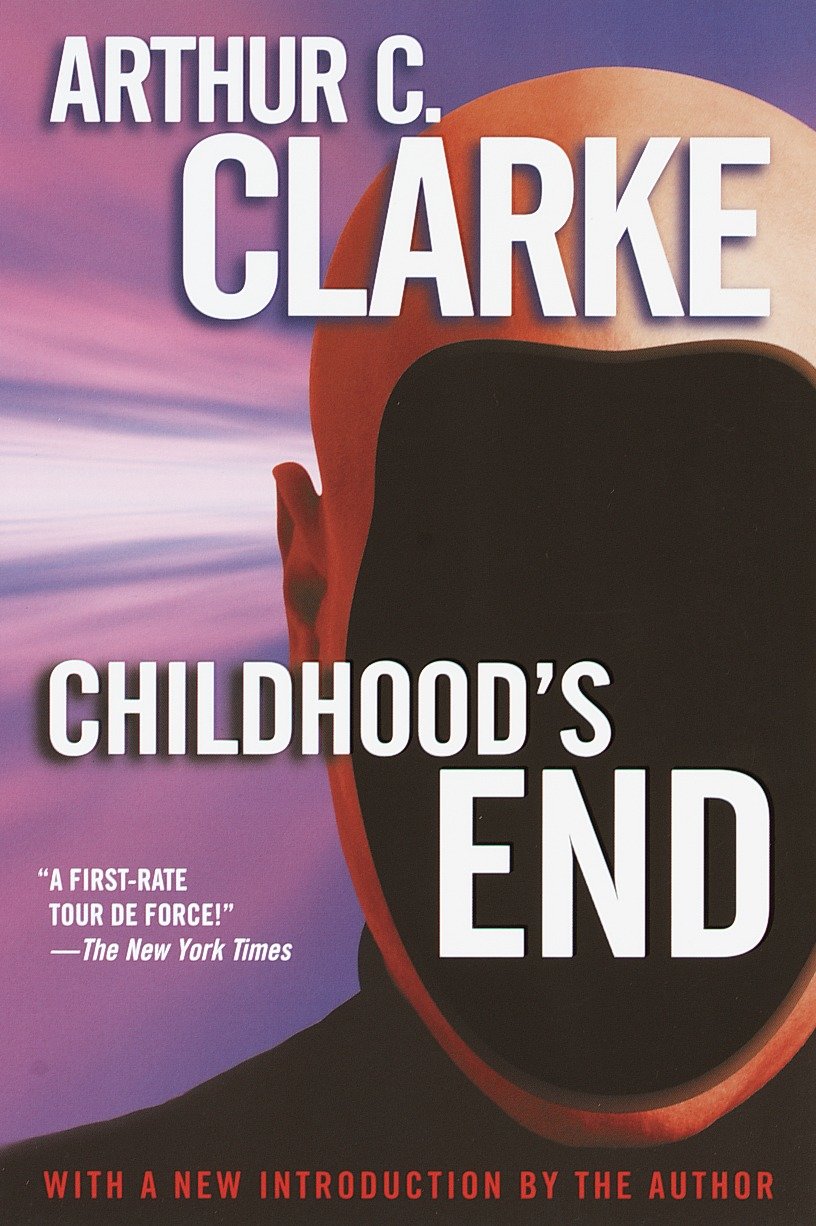
Childhood's End
by Arthur C. ClarkeSpaceships hang over every city on Earth, and the beings inside ask for nothing sinister: unify the planet, end poverty, stop war. Clarke published this in 1953, and its power lies in how calmly it lets those generous demands play out while a few holdouts suspect an agenda. By the close, the question is no longer whether humanity survives, but whether this is its end or its beginning.
Come here for: Big-idea science fictionExpect: Classic Clarke precisionWhere it sits:Alien ContactDystopianApocalyptic & Post-ApocalypticSnow Crash
by Neal StephensonHiro delivers pizza armed with a matched set of samurai swords and sleeps in a 20-by-30 storage unit, yet in the Metaverse his avatar is legendary. When a drug called Snow Crash starts frying fellow hackers, his investigation runs back to an ancient Sumerian priesthood and the origins of language itself. Y.T., a fearless teenage skateboard courier, rides along through a Los Angeles drowning in logos.
Come here for: Fast, concept-dense cyberpunkExpect: Hard-SF textureWhere it sits:CyberpunkDystopianApocalyptic & Post-ApocalypticDo Androids Dream of Electric Sheep?
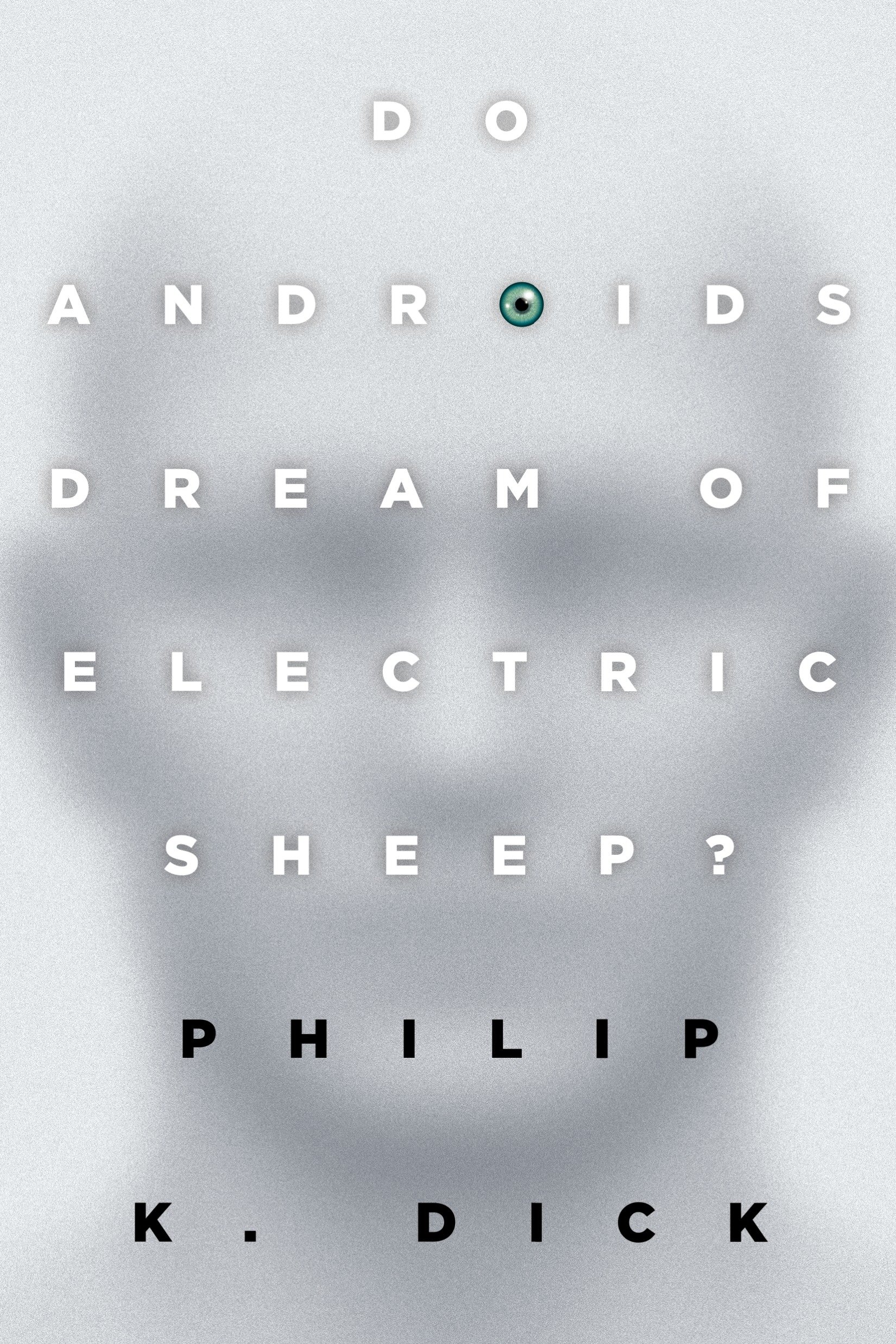
by Philip K. DickWhat makes someone human when a machine can pass for one, and when owning a real, living animal is the ultimate status symbol? After a world war empties the planet, bounty hunter Rick Deckard takes the job of "retiring" rogue androids hiding on Earth, and cornered androids fight back with lethal force. The moral ground under him keeps sliding, and that slipperiness lingers well after the final page.
Come here for: Blade Runner adjacencyExpect: Apocalyptic atmosphereWhere it sits:CyberpunkDystopianApocalyptic & Post-ApocalypticIsland
by Aldous HuxleyHuxley's final novel flips Brave New World inside out. Pala, a remote Pacific island, has sustained an ideal society for 120 years, and the newspaperman Faranby washes ashore as an agent of a conspiracy to seize it. Instead, his time among the islanders overturns everything he values and, to his own astonishment, leaves him hopeful. It's a rare thing on this list: a good society worth fearing for.
Come here for: Philosophy with a comic edgeExpect: Dense conversationsWhere it sits:Sci-FiVisionary FictionDystopianAdulthood Rites
by Octavia E. ButlerAkin understands language at birth and speaks in sentences at two months old. He is the first true human-Oankali hybrid, child of the gene-reading aliens who rescued nuclear war's survivors and now insist the two species merge. The Oankali have a damning argument about humanity's destructive hierarchies, and the book makes you sit with it as Akin decides which heritage, if either, gets to shape the future.
Come here for: Butler’s clear, unsentimental SFExpect: Adult decisions under pressureThe Children of Men
by P. D. JamesNo child has been born for twenty-five years. In this 2021 England, suicide and despair are commonplace, and Oxford historian Theodore Faron spends his days reminiscing, until Julian and her band of unlikely revolutionaries ask him to get them in front of his cousin, the Warden of England. James brings her trademark suspense to the end of the species, and the quiet collapse proves as gripping as any chase.
Come here for: Apocalyptic pressure with a literary edgeExpect: Layered dystopian stakesWhere it sits:Apocalyptic & Post-ApocalypticDystopianSuspense




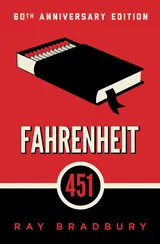
Fahrenheit 451
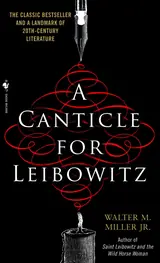
by Ray BradburyCome here for: Classroom-ready classicExpect: Sustained narrative readWhere it sits:DystopianSci-FiThe ClassicsA Canticle for Leibowitz
by Walter MillerCome here for: Hard-SF signals with theological undertowExpect: Post-apocalyptic scopeWhere it sits:Apocalyptic & Post-ApocalypticFaith & FictionDystopianBrave New World
by Aldous HuxleyCome here for: A sharp look at technology, social control, and the cost of comfortExpect: A layered warning about authoritarian power and passive conformityWhere it sits:DystopianThe ClassicsGenetic Engineering Sci-FiWorld War Z
by Max BrooksCome here for: Oral-history mosaicExpect: Fragmented voicesWhere it sits:Apocalyptic & Post-ApocalypticHorrorWar FictionCat's Cradle
by Kurt VonnegutCome here for: Dry, playful sci-fiExpect: Satire with a science-fiction sheenWhere it sits:Apocalyptic & Post-ApocalypticFunny Sci-FiSatireMemoirs Found In A Bathtub
by Stanislaw LemCome here for: Bureaucratic dread, played dryExpect: High-strangeness procedural energyWhere it sits:DystopianFunny Sci-FiSatireBlindness
by José SaramagoCome here for: A literary parable about survival under extreme pressureExpect: Disorientation, cruelty, and an ultimately exhilarating spiritWhere it sits:Literary FictionDystopianApocalyptic & Post-ApocalypticBrave New Worlds
by John Joseph AdamsCome here for: Short-fiction varietyExpect: Sci-fi with fantasy overlapWhere it sits:DystopianSci-Fi Short StoriesShort Story AnthologiesSlapstick or Lonesome No More!
by Kurt VonnegutCome here for: Vonnegut’s dry, lopsided humorExpect: Apocalyptic aftertasteWhere it sits:SatireApocalyptic & Post-ApocalypticFunny Sci-FiSlow River
by Nicola GriffithCome here for: Genre-mixing with a purposeExpect: Steady narrative momentumWhere it sits:Lesbian FictionSci-Fi CrimeLesbian RomanceGibbon's Decline and Fall
by Sheri S. TepperCome here for: Layered sci-fi with an edgeExpect: Intellectual frictionWhere it sits:Sci-FiFeminist FictionDystopianGenesis
by Bernard BeckettCome here for: Hard-science pressure, stripped to essentialsExpect: Layered concepts over spectacleWhere it sits:DystopianApocalyptic & Post-ApocalypticSci-FiThe Wall
by Marlen HaushoferCome here for: Layered survival isolationExpect: Slow-build tensionWhere it sits:Feminist FictionDystopianApocalyptic & Post-ApocalypticGun, With Occasional Music
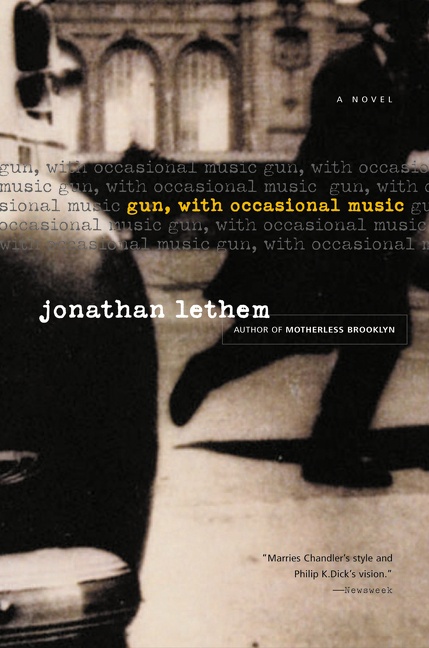
by Jonathan LethemCome here for: Hard-boiled snap with sci-fi staticExpect: Crime and suspenseWhere it sits:Sci-Fi CrimePrivate Eye FictionHard-Boiled MysteryOn the Beach
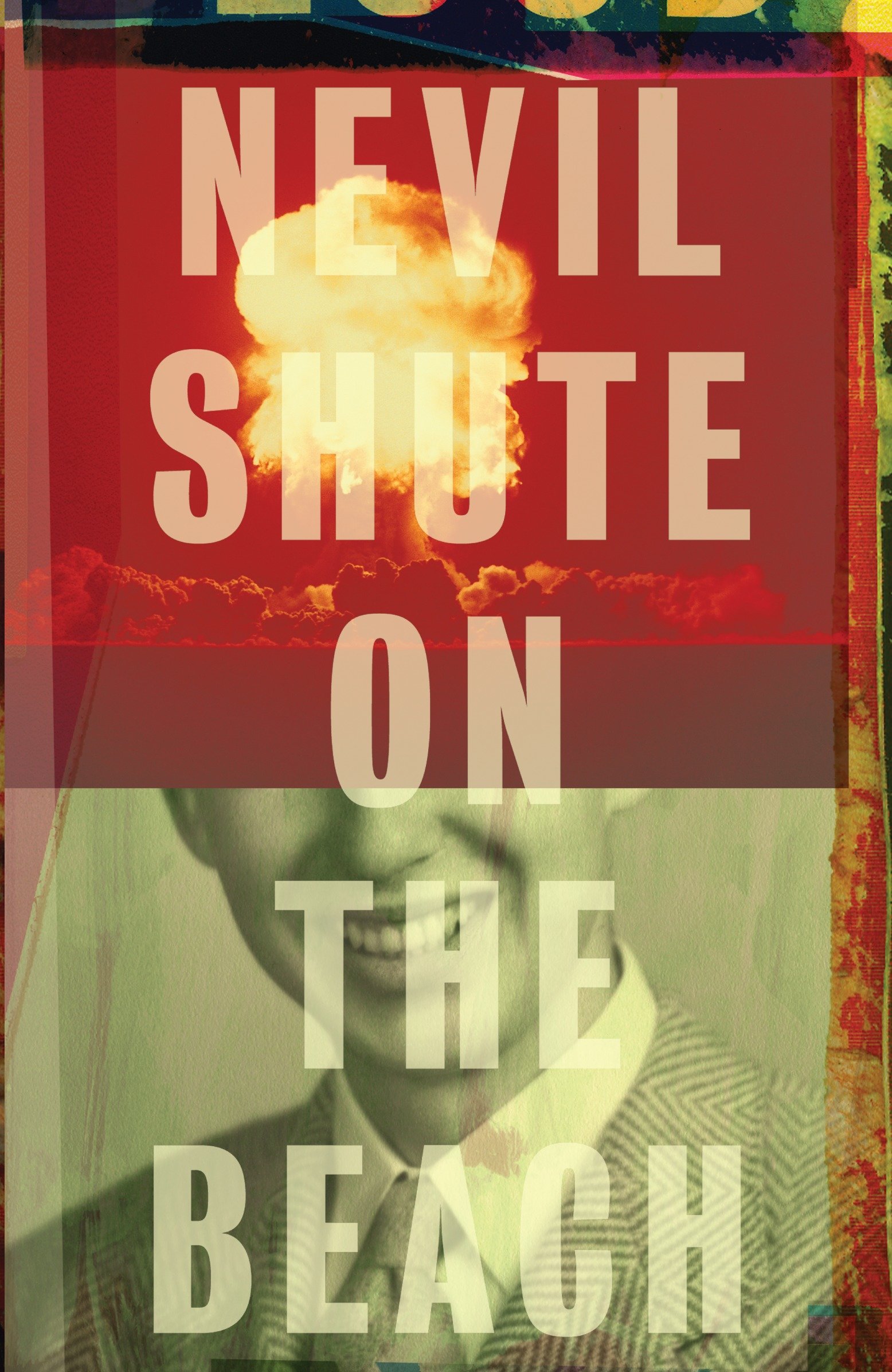
by Nevil ShuteCome here for: Apocalyptic setup without fussExpect: Accessible, unshowy writingWhere it sits:Apocalyptic & Post-ApocalypticDystopianWar FictionThe Time Machine
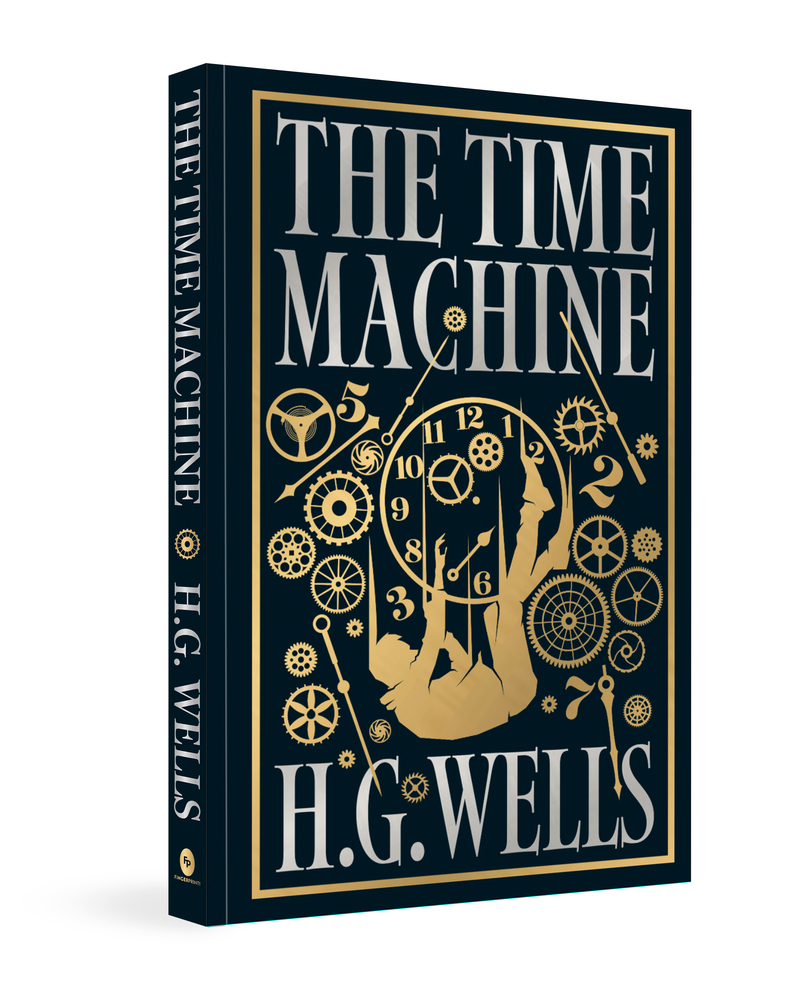
by H. G. WellsCome here for: A time-travel adventure with a darker view of the futureExpect: Future worlds and dystopian societiesWhere it sits:Time Travel FictionDystopianSci-FiRoadside Picnic
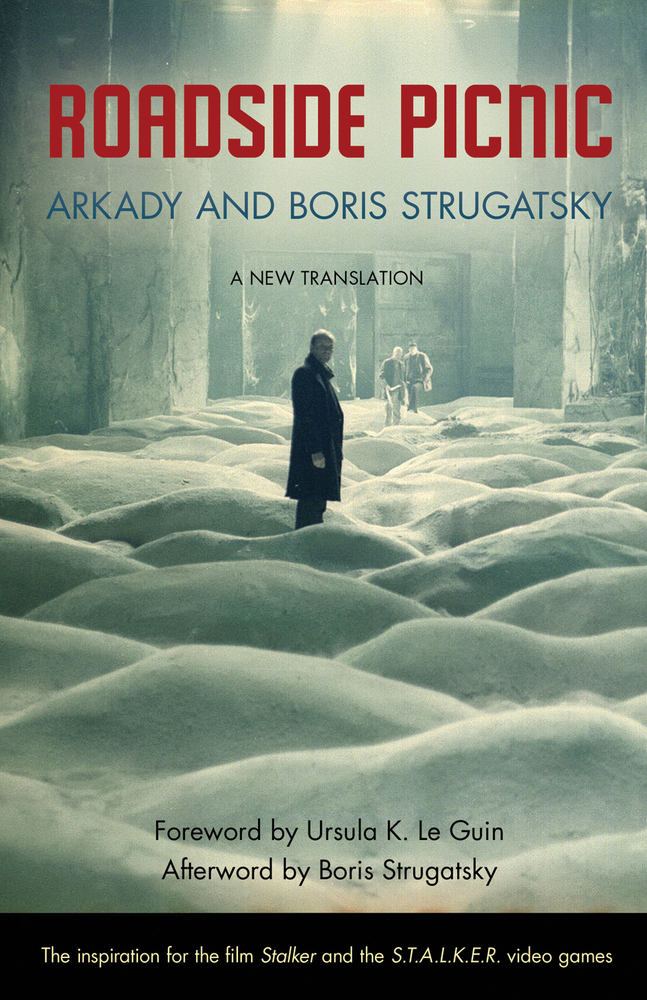
by Arkady Strugatsky, Boris StrugatskyCome here for: Hard-sf grit with a literary aftertasteExpect: Sparse, tense atmosphereWhere it sits:DystopianAlien ContactThe ClassicsThe Windup Girl
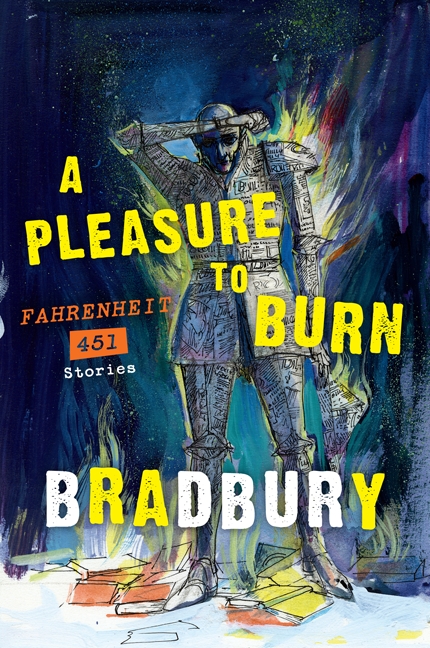
by Paolo BacigalupiCome here for: Book-club conversation fuelExpect: Genre-mix momentumWhere it sits:DystopianSteampunkGenetic Engineering Sci-FiA Pleasure to Burn
by Ray BradburyCome here for: Sixteen stories and novellas tracing the creative roots of Fahrenheit 451Expect: A collection of vintage stories and novellasWastelands
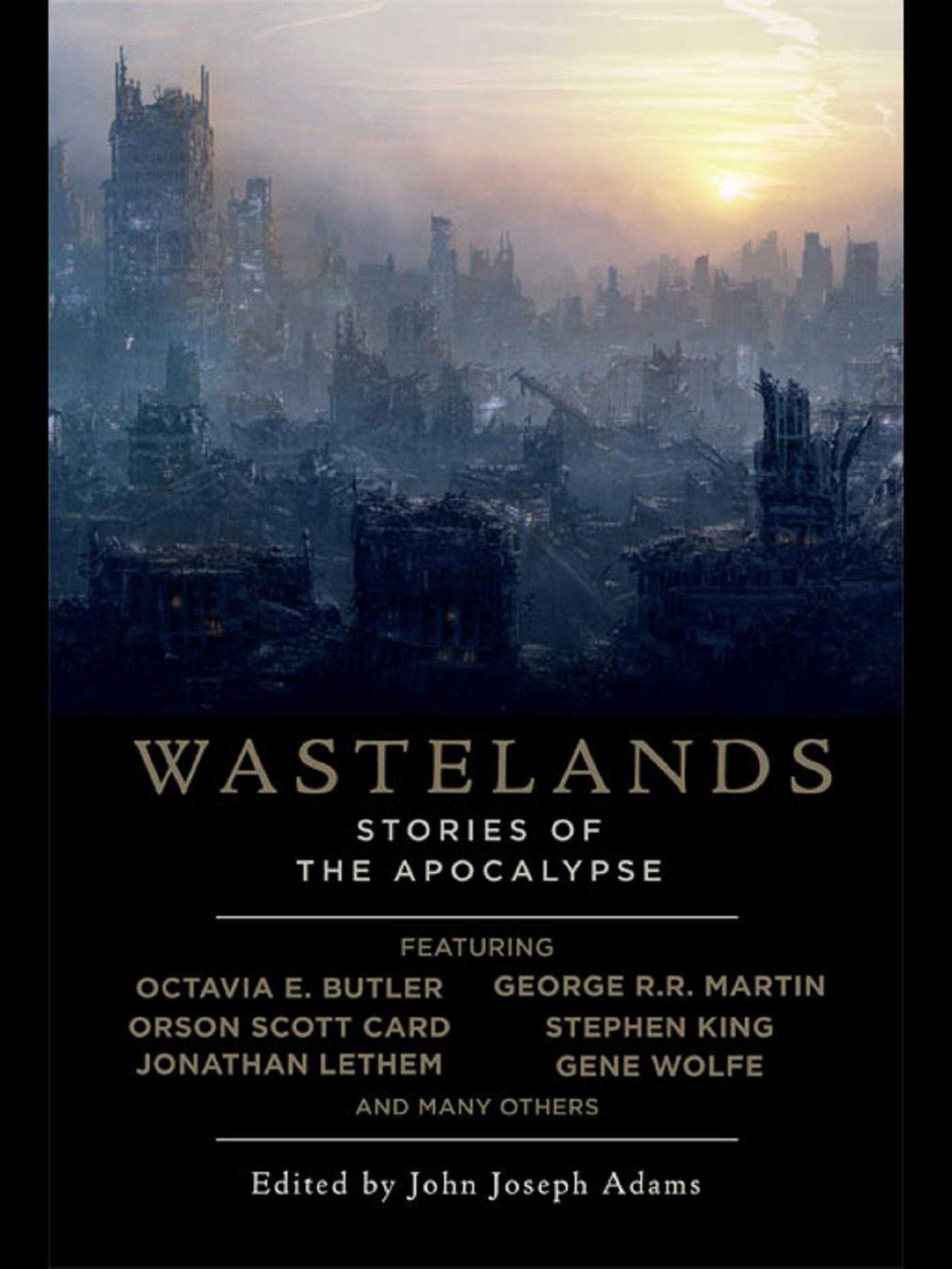
by John Joseph AdamsCome here for: Wastelands-adjacent short fictionExpect: Short-story pacingPhilip K. Dick: Four Novels of the 1960s
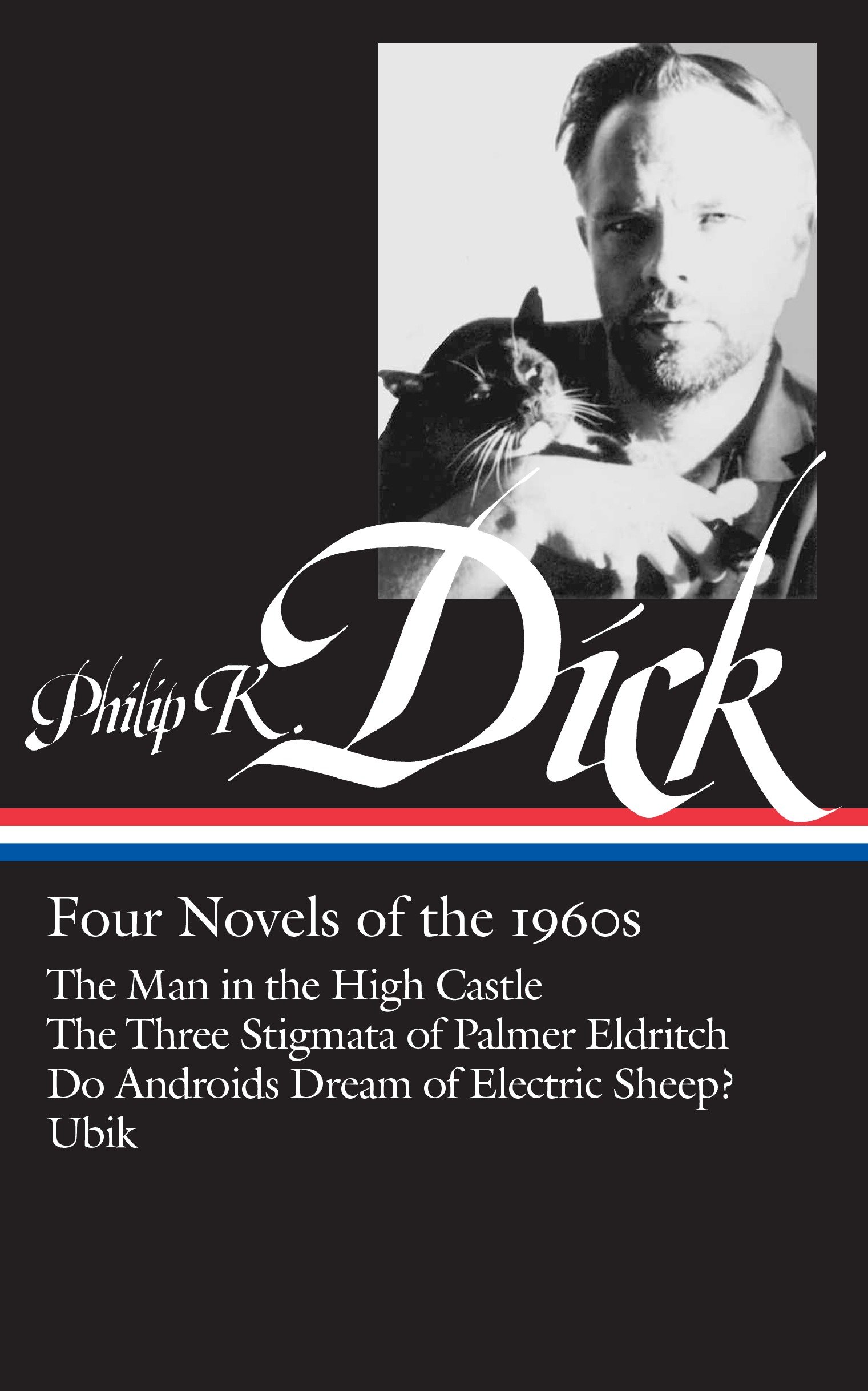
by Philip K. Dick, Jonathan LethemCome here for: Reality-slippage and high-concept uneaseExpect: Sustained narrative momentumWhere it sits:Sci-Fi Short StoriesAlternate HistoryDystopianThe Postmortal
by Drew MagaryCome here for: Dark humorExpect: Sci-fi, crime, and supernatural registersWhere it sits:DystopianApocalyptic & Post-ApocalypticHorrorParable of the Talents
by Octavia E. ButlerCome here for: A faith-shaped refuge under political persecutionExpect: A dystopian future centered on a young Black woman’s communityWhere it sits:Apocalyptic & Post-ApocalypticDystopianFaith & FictionThis Crowded Earth
by Robert BlochCome here for: A speculative pressure test of scarcity and public powerExpect: Tension around a desperate plan—and its possible priceWhere it sits:Apocalyptic & Post-ApocalypticDystopianHorror