Herb Gardening for Pots, Backyard Beds, and Homegrown Tea
Find practical guidance for your windowsill, pots, or backyard beds, whether you're growing for dinner, tea, homemade preparations, or a mixed vegetable harvest.
Edited by Chris · updated 2026-11-20
For a first medicinal-herb garden, Rosemary Gladstar's Medicinal Herbs: A Beginner's Guide keeps growing and preparation approachable, while The Healing Garden offers a fuller reference with container planning and photographic preparation tutorials. Herb Gardening for Beginners gives step-by-step instruction for herbs in a sunny window or backyard raised bed; The Old Farmer's Almanac Container Gardener's Handbook covers herbs alongside vegetables and other plants in pots. The Cook's Herb Garden carries the harvest into cooking, Tea Gardening for Beginners builds the plan around tea, and Raised-Bed Gardening for Beginners explains outdoor raised beds for herbs and vegetables.
Our reading of each book:Come here forExpectWhere it sits
A home apothecary, planted from scratch
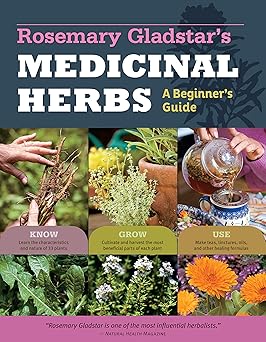
Rosemary Gladstar's Medicinal Herbs: A Beginner's Guide
Thirty-three familiar plants give Rosemary Gladstar's Medicinal Herbs: A Beginner's Guide a manageable starting point: peppermint, chamomile, basil, and ginger are among them. Rosemary Gladstar pairs growing and harvesting advice with hands-on instructions for preparing tinctures, oils, creams, and teas. For a first attempt at raising herbs for homemade preparations, the appeal is its clear, unfussy approach and profiles that stay useful after planting. The emphasis stays on learning a defined collection and putting the harvest to work, with full-color photography alongside the practical guidance.
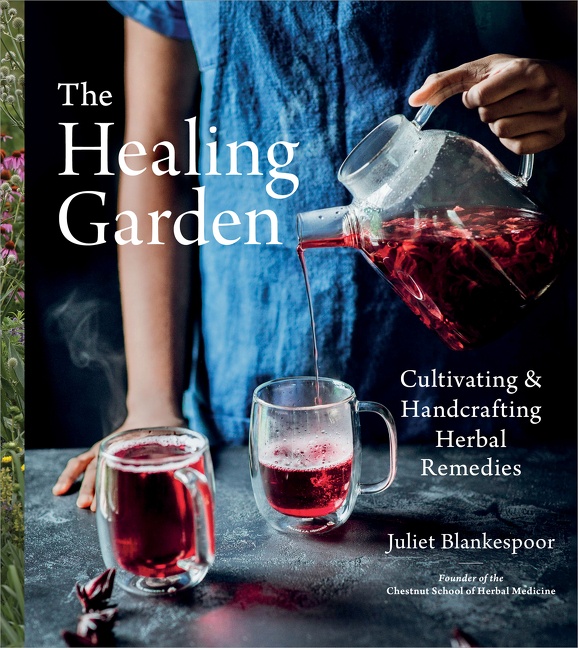
The Healing Garden
Garden planning and a home apothecary come together in The Healing Garden. Small-space containers, seed propagation, soil quality, and holistic gardening practices form the growing side of this substantial reference. Its 30 detailed plant profiles combine cultivation information with medicinal properties and uses, while foundational principles of herbalism give those individual entries a larger framework. Step-by-step tutorials cover botanical preparations and healing foods, and 70 recipes extend the planting into projects including salves and syrups.
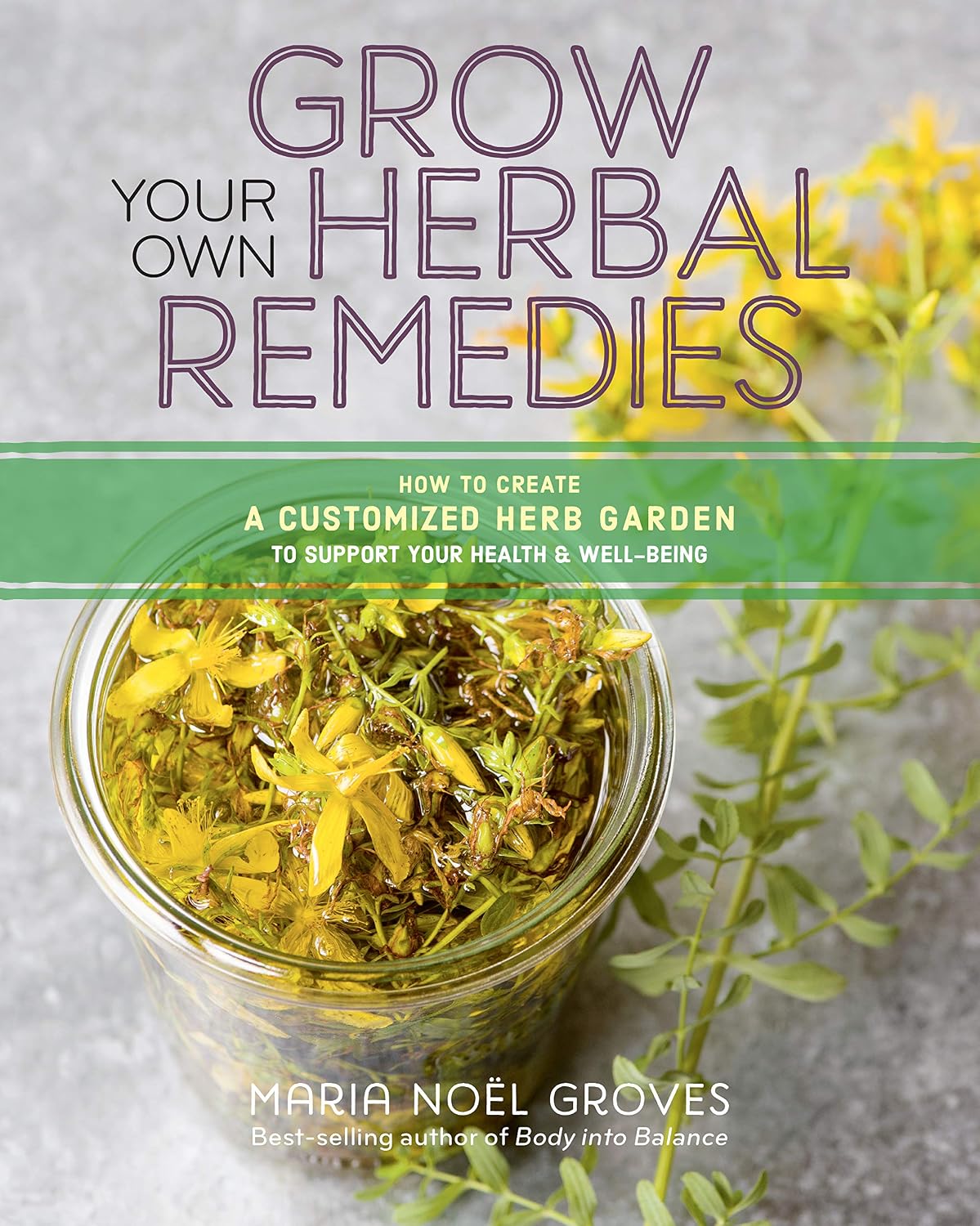
Grow Your Own Herbal Remedies
What would a small, purposeful planting look like? Grow Your Own Herbal Remedies answers with 23 garden plans organized around common health needs, grouping three to six herbs for each purpose. Maria Noël Groves includes plans for stress relief, headache relief, and a daily tonic, with planting, care, and harvesting advice for containers or garden beds. One stomach-focused plan brings marshmallow, plantain, rose, fennel, and calendula together, paired with recipes for tea and broth.
Pots, windowsills, and small-space plans
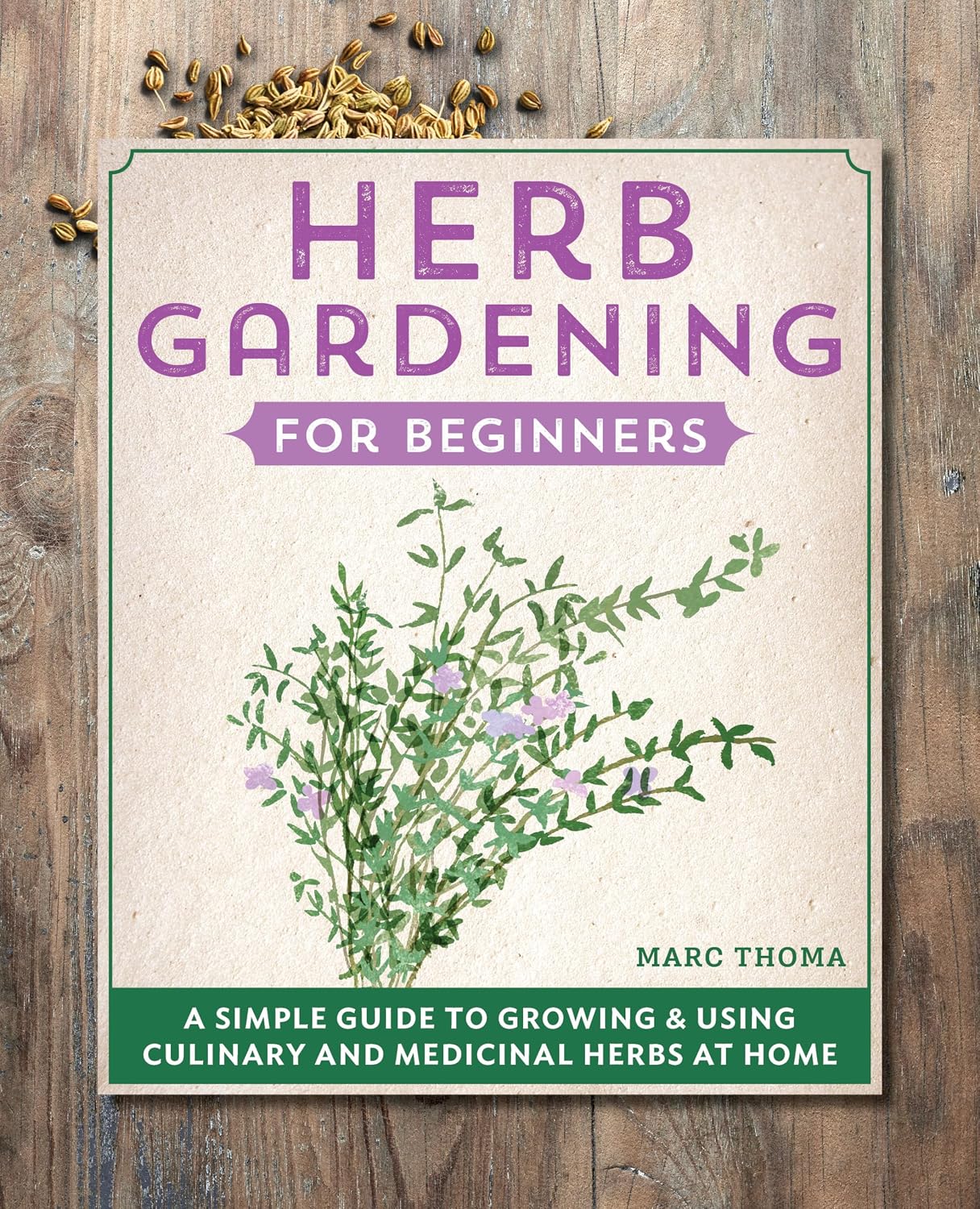
Herb Gardening for Beginners
The sunny-window container and the backyard raised bed both have a place in Herb Gardening for Beginners. Its 40 herb profiles spell out details that shape a planting: seeding information, mature size, light, water, and soil needs, plus uses and safety considerations. Planting options, essential tools, and troubleshooting connect those profiles to growing at home. The 80 recipes send the harvest in several directions, from an all-purpose lemon verbena cleaner to turkey nettle pot pie and caraway soda bread.
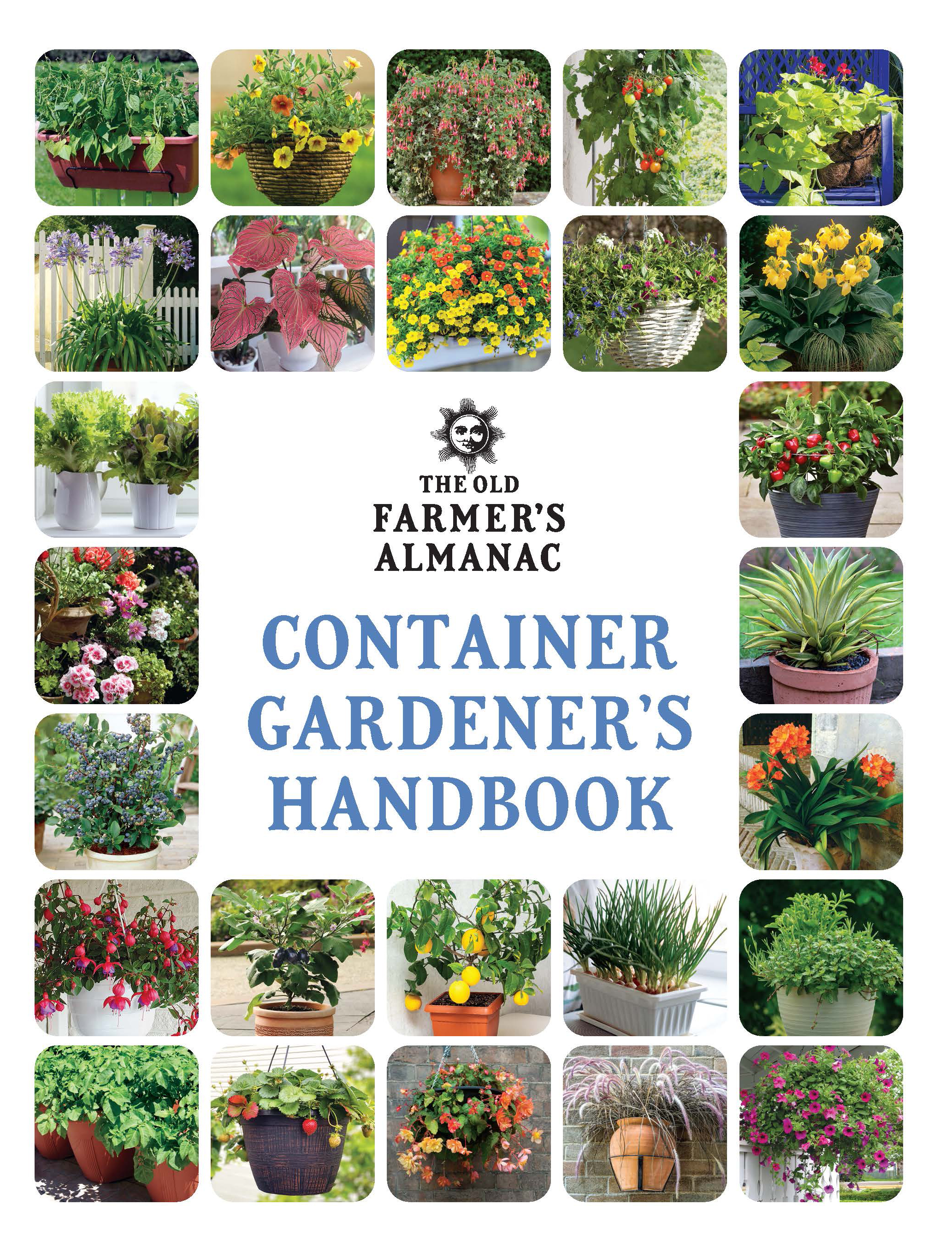
The Old Farmer's Almanac Container Gardener's Handbook
Basil and chives sit alongside miniature tomatoes, salad greens, and peppers in The Old Farmer's Almanac Container Gardener's Handbook. No garden plot is needed: its herb-and-vegetable growing takes place in containers, with fruit and ornamentals in the mix too. Pots also give the planting a way to fit around limits on space, time, or money. Care and harvesting coverage includes familiar kitchen crops as well as blueberries, citrus, and even cantaloupes, while decorative displays have a place alongside the edible harvest.
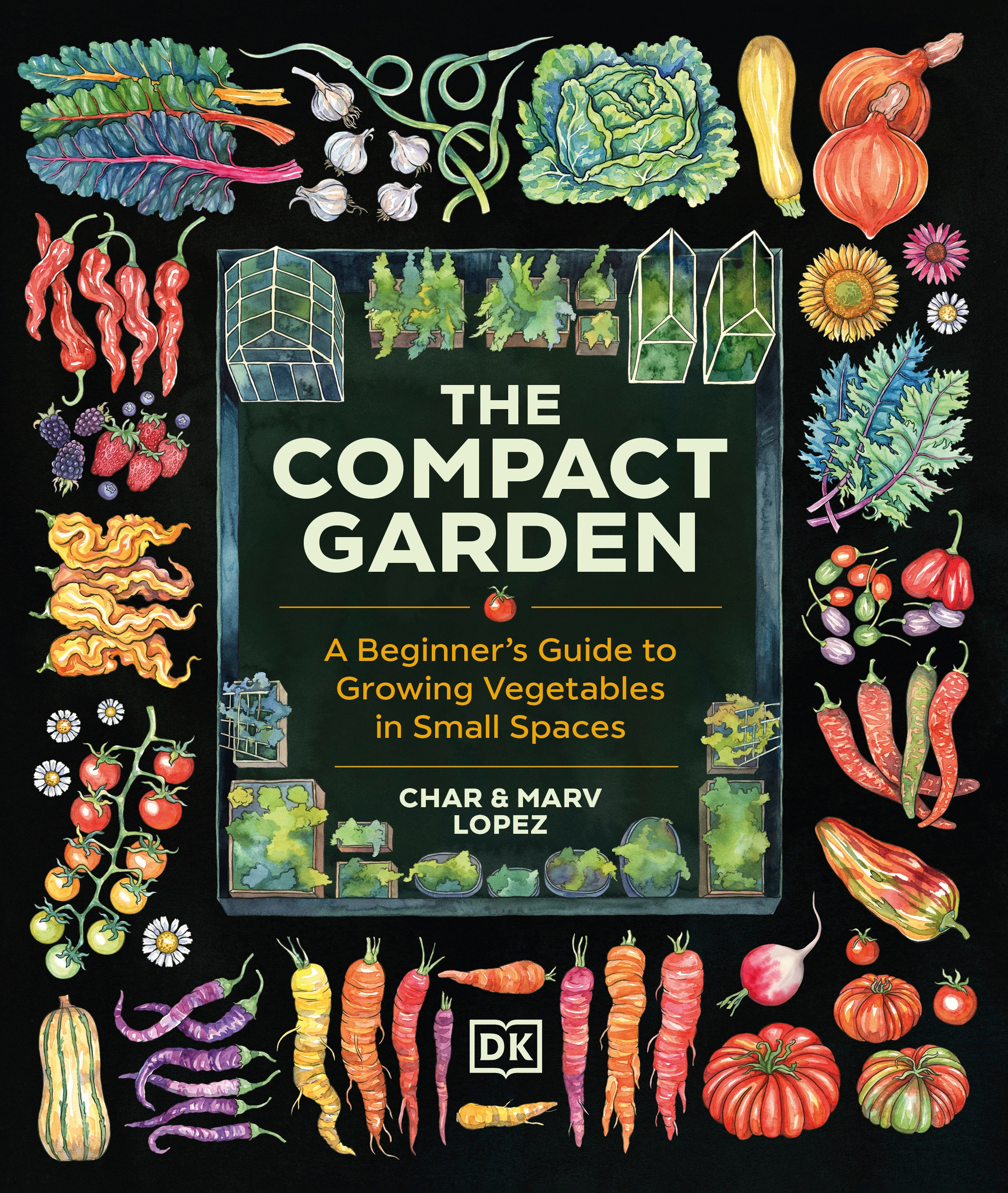
The Compact Garden
Raised beds, containers, and vertical gardens give The Compact Garden several ways to fit herbs into a compact food-growing space, indoors or out. Toronto urban gardeners Char and Marv link herb and flower choices to what will flourish in that space and attract pollinators for vegetables. Climate-zone seed timing shapes the growing year, with tomatoes, cucumbers, lettuces, beans, and peas among the crops. Fertilizing and pest management stay free of synthetic chemicals.
Grow for dinner or the teapot
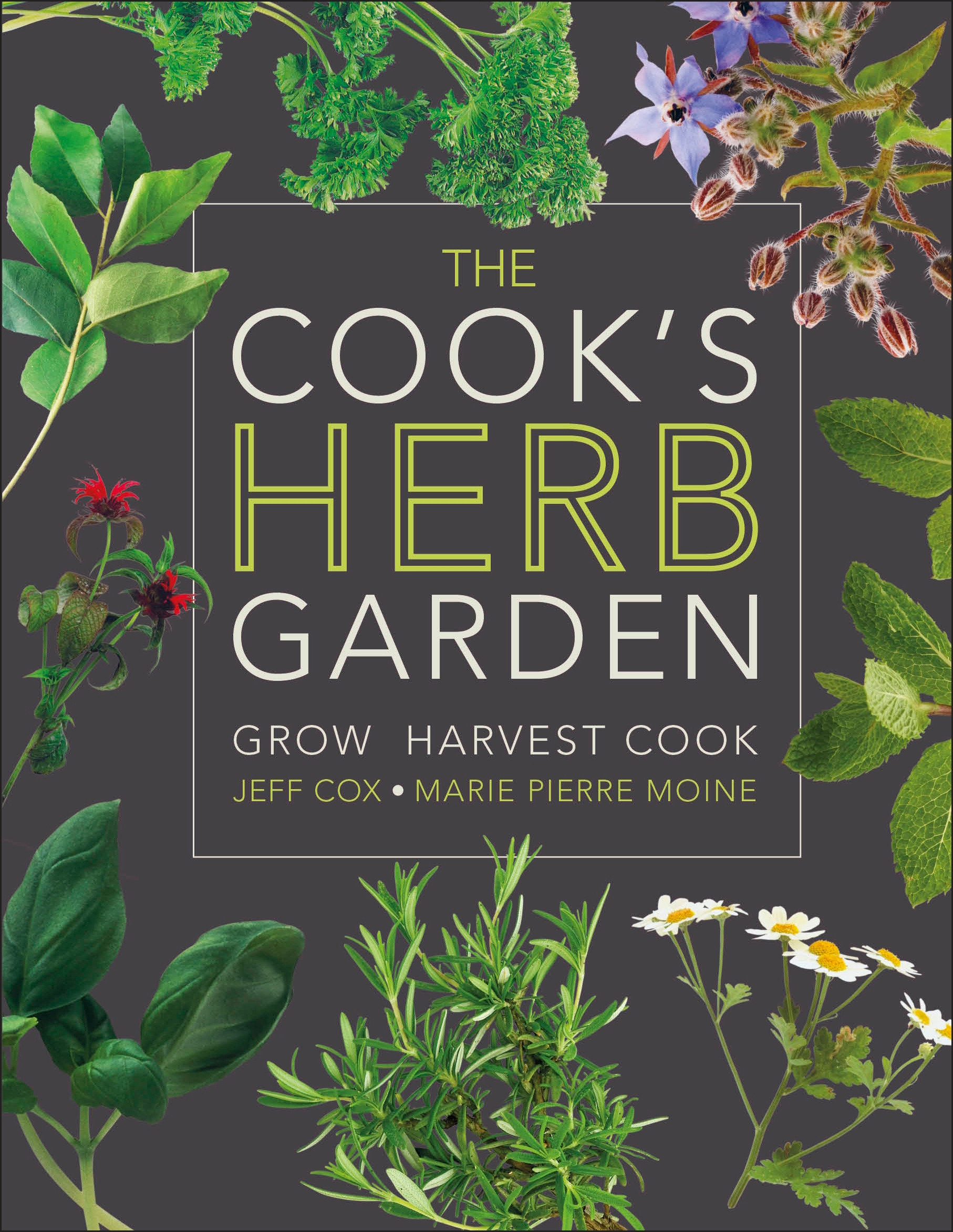
The Cook's Herb Garden
The kitchen is the destination in The Cook's Herb Garden, and flavor helps shape the planting. A visual index covers 120 culinary herbs, with flavor notes and pairing charts linking them to dishes and drinks. For a garden, pots, or window boxes, planting groups include Mediterranean herbs, everyday essentials, and salad herbs, with attention to which plants grow well together. More than 30 recipes carry those choices into salad dressings, marinades, flavored butter, pesto, herbal teas, and cordials.
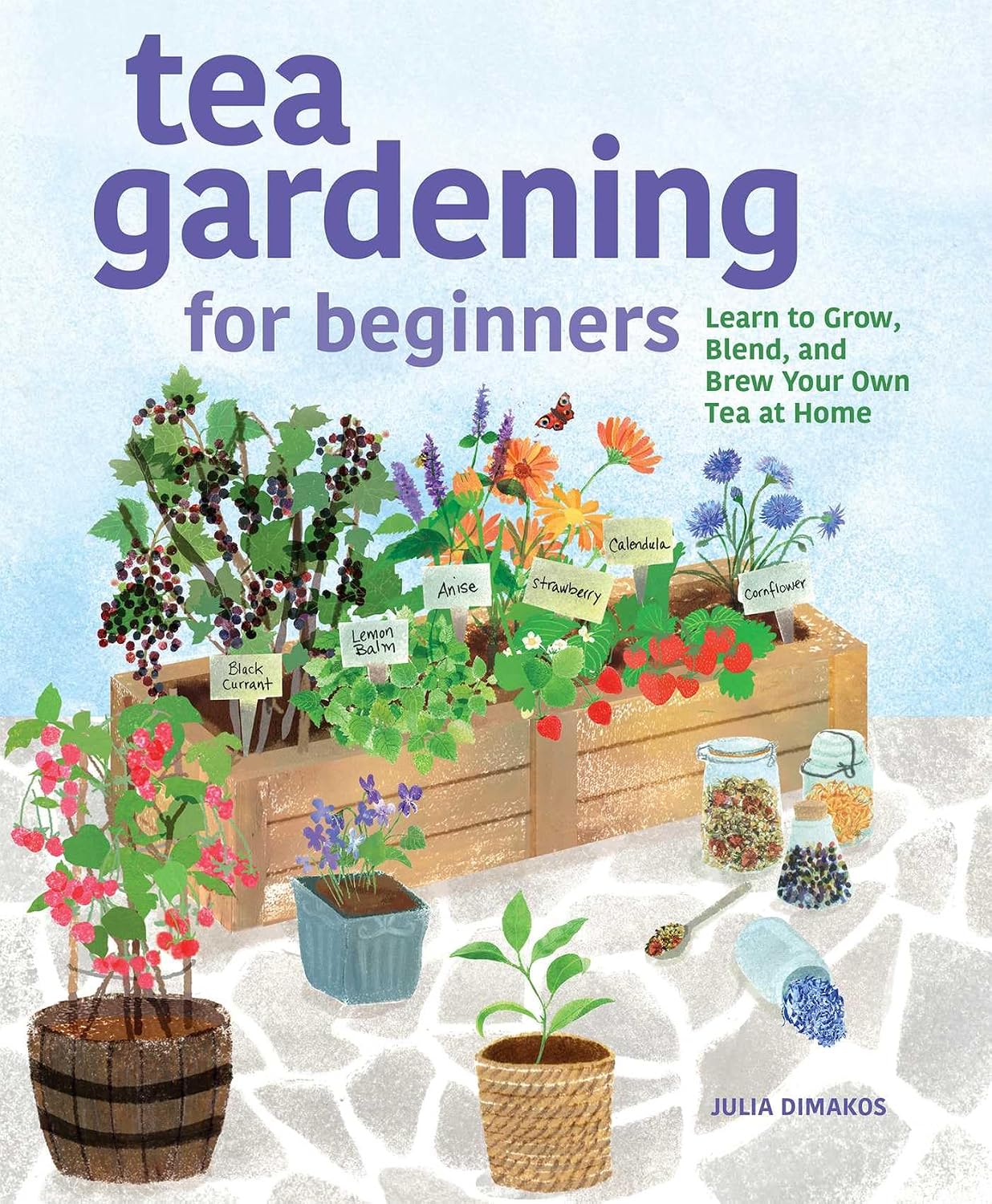
Tea Gardening for Beginners
Lavender and lemongrass are part of the tea-growing plan in Tea Gardening for Beginners, with the eventual cup shaping the garden's purpose. Its 25 short plant profiles cover taste, safety considerations, and preservation techniques. Plot location, pruning, and harvesting sit alongside an exploration of different teas and tisanes and ways to blend and brew them. The aim might be a blend for energy, relaxation, digestion, or just the enjoyment of brewing something homegrown.
Follow the seasons and the local climate
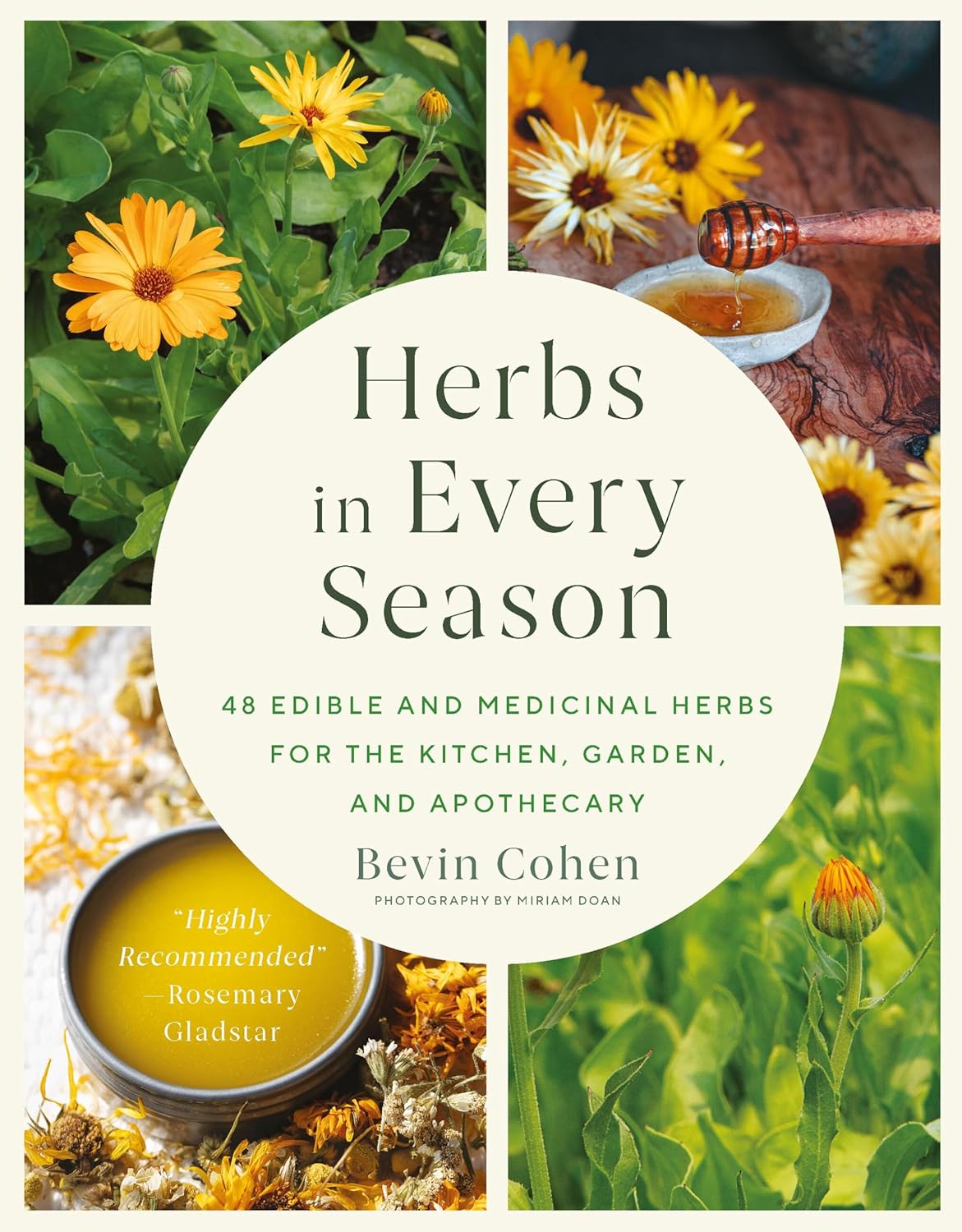
Herbs in Every Season
Spring-to-winter thinking shapes Herbs in Every Season: herbs belong in kitchen gardens, perennial borders, and a home apothecary. Bevin Cohen uses detailed plant profiles to connect growth habits and life cycles with culinary and medicinal properties. Homegrown recipes and preservation techniques turn that seasonal attention into tonics, teas, meals, and treats, keeping growing and using herbs part of a year-round routine. The home-apothecary projects include DIY applications for common seasonal annoyances such as sunburns and mosquito bites.
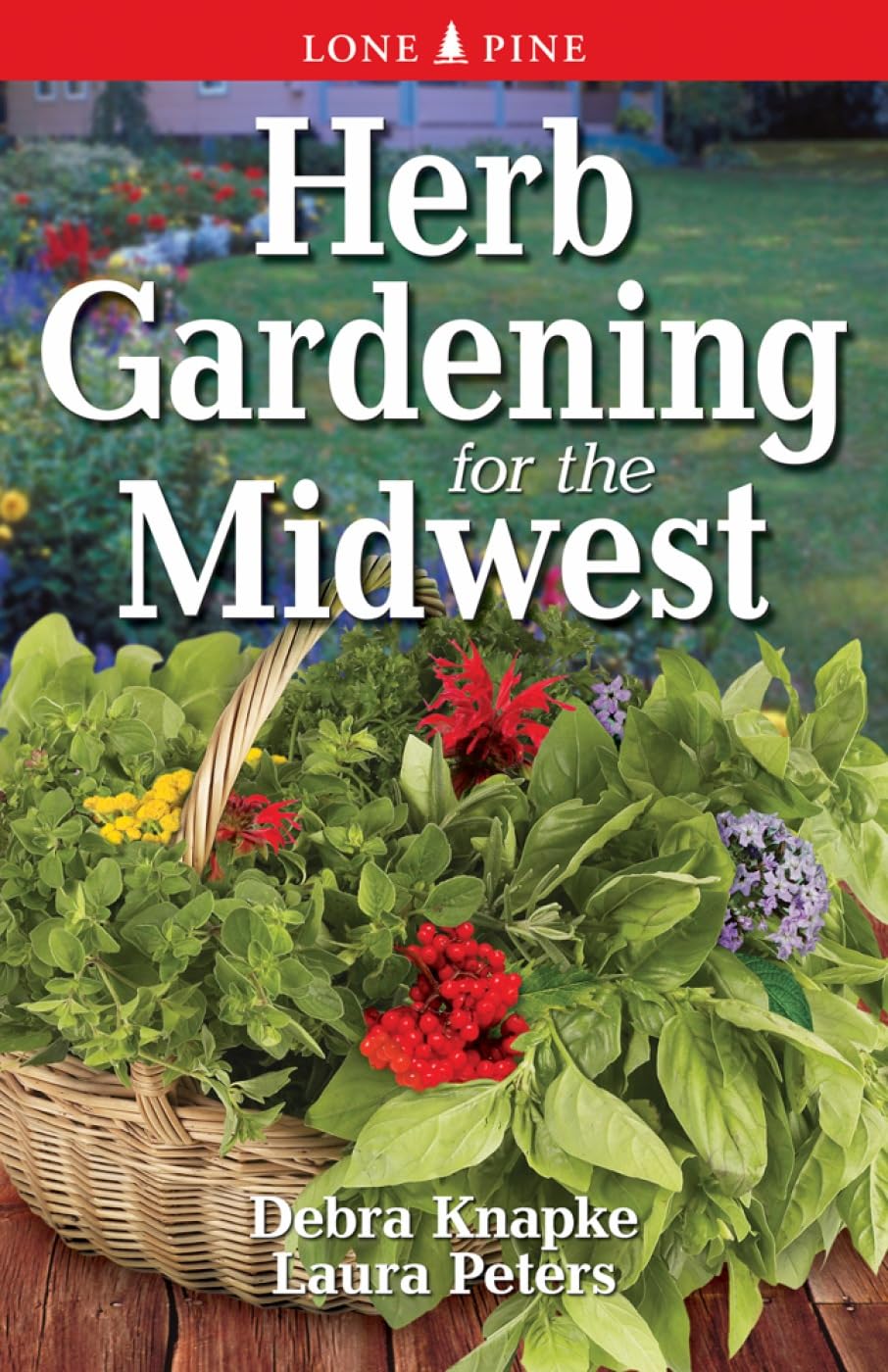
Herb Gardening for the Midwest
A Midwest herb garden can include lemongrass, jasmine, fenugreek, and stevia, as Herb Gardening for the Midwest makes clear. Debra Knapke and Laura Peters put local growing at the center, covering propagation, winter care, and common garden problems. Fragrant basil, rosemary, and sage appear in infusions, herbal baths, and soaps; other uses include potpourris and perfumes. Edible nasturtiums and calendula carry the planting into salads, teas, honeys, and butters.
Make room for herbs among the vegetables
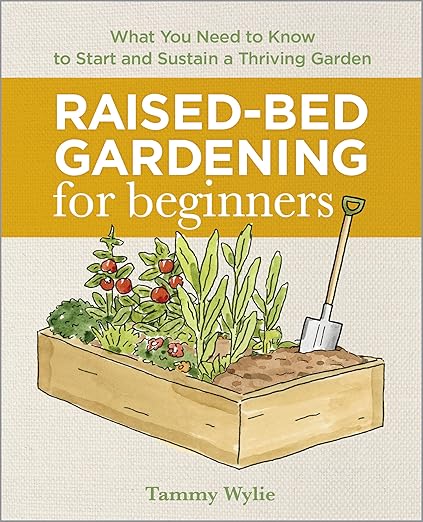
Raised-Bed Gardening for Beginners
Before there is anything to harvest, Raised-Bed Gardening for Beginners tackles the bed itself: planning, building, mixing soil, and keeping that soil in good condition. For an herb-and-vegetable planting in a tight backyard, the focus stays on above-ground beds. Topics include seeds versus seedlings, planting time, pests, and disease. Companion planting gets attention through cooperation and competition for space and nutrients. Thirty profiles cover crops such as onions, spinach, potatoes, and squash, including seasonal information, common pitfalls, and harvesting.
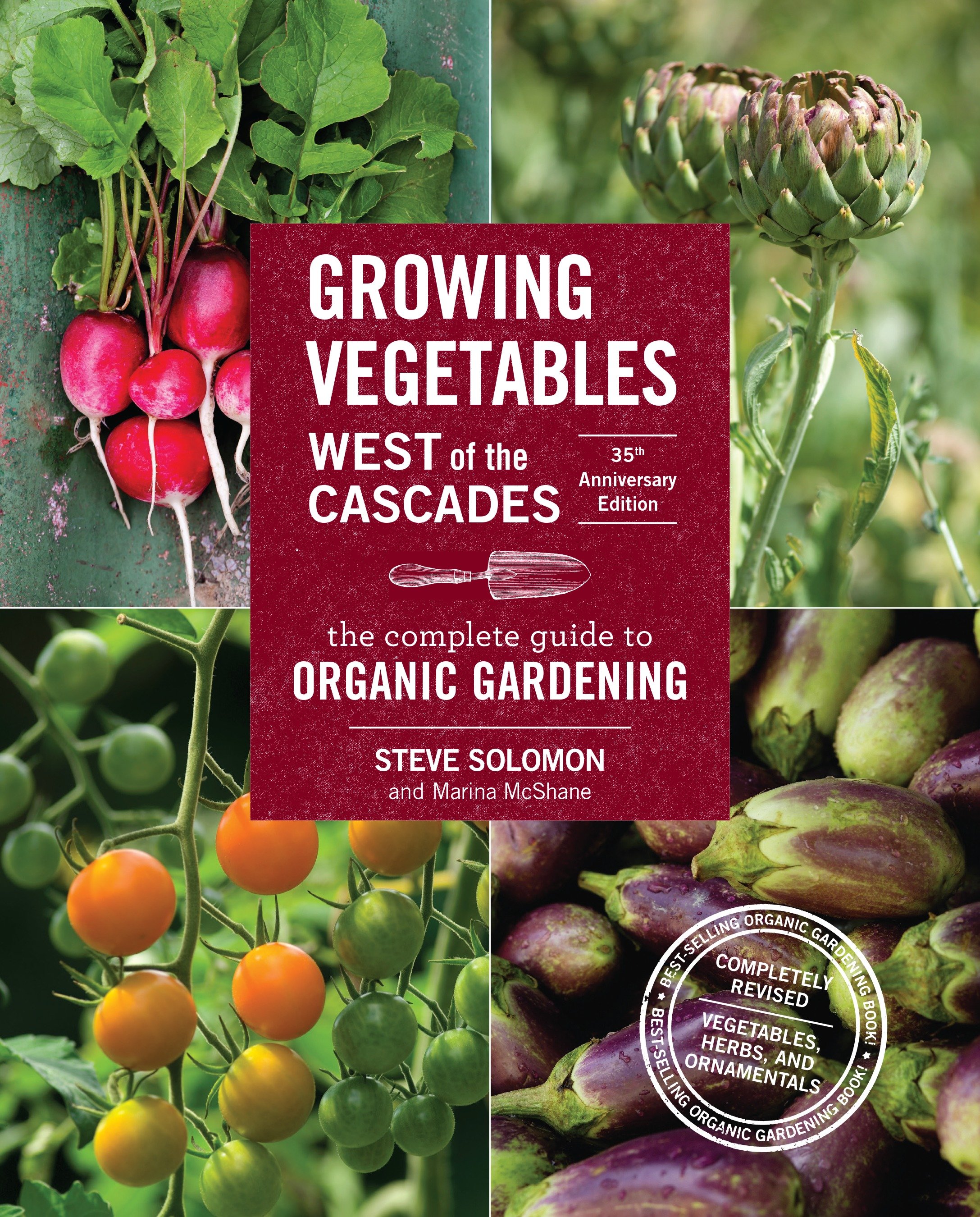
Growing Vegetables West of the Cascades, 35th Anniversary Edition
Gentle maritime weather west of the Cascades shapes Growing Vegetables West of the Cascades, 35th Anniversary Edition and its approach to organic herb, vegetable, and flower gardening. Steve Solomon connects crop-specific advice with soil preparation, composting, chemical-free fertilizers, efficient watering, and garden planning. Those soil and water principles extend beyond the Pacific Northwest, even as crops such as tomatoes, beans, kale, and turnips receive regional attention. An adjustable formula for complete organic fertilizer is one of the updates, along with natural pest controls and seed-supplier information.