
Why Q Needs U
A lively history of English spelling makes familiar letters feel newly full of surprises.
- Themes
- English alphabet history, Writing-system origins, English spelling quirks
Letters With Histories
Come here for
- Curious answers to everyday alphabet puzzles
- Connections among language, history, and the letters on the page
Expect
- Twenty-six chapters of linguistic history
- Witty explanations of English spelling’s peculiar habits
Where it sits
How strongly BookFrontier reads the book as belonging to each subject.
Nearest books
Matched by our semantic model. Ordered by what its readers also loved.
 The Discovery of BritainGraham Robb44% subject match
 Across the UniverseNatan Last46% subject match
 On CussingKatherine Dunn46% subject matchShares Word Origins
 Our Magnificent Bastard TongueJohn McWhorter62% subject matchShares Word Origins and Historical Linguistics
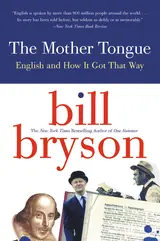 The Mother TongueBill Bryson61% subject matchShares Word Origins and Historical Linguistics
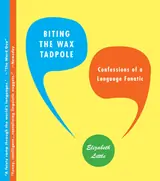 Biting the Wax TadpoleElizabeth Little61% subject match
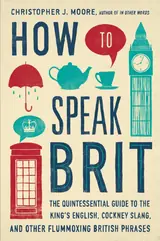 How to Speak BritChristopher J. Moore60% subject matchShares Word Origins
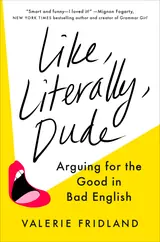 Like, Literally, DudeValerie Fridland57% subject match
For younger readers: Alphamaniacs, Dr. Seuss's ABC, A-Ztec
Start with three books, and this one can be the first.
Members get a new edition every morning: a route out from their books to essays, research and talks, with the reason for each.
Sign upAbout this book
A twenty-six-chapter journey through the history and working of the English alphabet by linguistic guru Danny Bate.
You'll never look at a keyboard the same way after reading Danny Bate's fascinating linguistic history' Sunday Times
'A wonderful achievement! A breath-taking adventure through the alphabet - each letter a hero with a remarkable story to tell. An absolutely delightful read, filled with jewels of lightly worn scholarship and dazzling insight.
Continue reading
I just couldn't recommend it more highly.' Stephen Fry
Why does 'W' sounds like 'double U'?
What has the letter 'Q' got to do with monkeys?
Why are the 'C's in circus pronounced differently?
What's the point of the second 'N' in the author's first name, 'Danny'?
And why does 'Q' need to be followed by 'U'?
Every letter you're reading right now has a fascinating story to tell, having been on a long linguistic, historical, political and social journey.
In Why Q Needs U, linguistic expert Danny Bate takes readers on a fascinating odyssey through the English alphabet, diving into history, archaeology, politics and linguistics to discover where we get our writing from. Sharing fun facts and revealing the alphabet's hidden mechanisms, he explains where we get our letters from and why the English language uses them so strangely, including:
- why a silent final 'E' turns 'hop' into 'hope'
- how five English letters come from a single graphic grandparent
- why there is an 'L' in 'salmon' and a 'K' in 'know'
- how we may know the specific person who invented the letter 'G'
- why 'Z' is the sixth letter for the Greeks, yet the last letter for us
Explaining - and defending - the peculiar way English today uses our ancient letters, Bate's witty and entertaining book will help readers spot connections in languages across the world and inspire a newfound sense of wonder for the letters we use every day.
Publisher details
Publisher categories
- History
- Historical Linguistics
- Phonetics & Phonology
- Authors
- Danny Bate
- Publisher
- Bonnier
- Published
- June 2, 2026
- Format
- Print & ebook
- Reading lane
- History