

Book
Watermelon Nights
Greg Sarris, Reginald Dyck
University of Oklahoma Press · Paperback · July 1, 2021
Reading lane: Gay Fiction
In Watermelon Nights , Greg Sarris tells a powerful tale about the love and forgiveness that keep a modern Native American family together in Santa Rosa, California.
At a Glance
Who It's For
Book Details
- Authors
- Greg Sarris, Reginald Dyck
- Publisher
- University of Oklahoma Press
- Published
- July 1, 2021
- Format
- Paperback
- Theme
- Gay Fiction · Urban Fiction
- Reading lane
- Gay Fiction
Affinity
- 100%
- 100%
- 100%
- 100%
Also connected
Publisher Categories
Gay Fiction
Urban Fiction
Indigenous Fiction
FICTION / City Life
Show all 6 publisher categories
Bisexual Fiction
Indigenous Studies
About This Book
In Watermelon Nights , Greg Sarris tells a powerful tale about the love and forgiveness that keep a modern Native American family together in Santa Rosa, California. Told from the points of view of a twenty-year-old Pomo man named Johnny Severe, his grandmother Elba, and his mother, Iris, this intergenerational saga uncovers the secrets—and traumatic events—that inform each of these characters’ extraordinary powers of perception. First published in 1998, Watermelon Nights re...
Read full description
Similar Books

Whiskey Tender
Deborah Taffa, Deborah Jackson Taffa · HarperCollins
Affinity signal
American Literary Collections
History of Religion
Into the Light
Mark Oshiro · Tor/Forge
Affinity signal
Social Themes for Teens
Thrillers & Suspense
A Town With Half the Lights on
Page Getz · Sourcebooks
Affinity signal
Epistolary Fiction
Literary Fiction
Perpetual West
Mesha Maren · Algonquin Books
Affinity signal
Cultural Heritage Fiction
LGBTQ+ Fiction
Fresh Banana Leaves
Jessica Hernandez Ph.D., Jessica Hernandez · North Atlantic Books
Affinity signal
Climate Change
Conservation
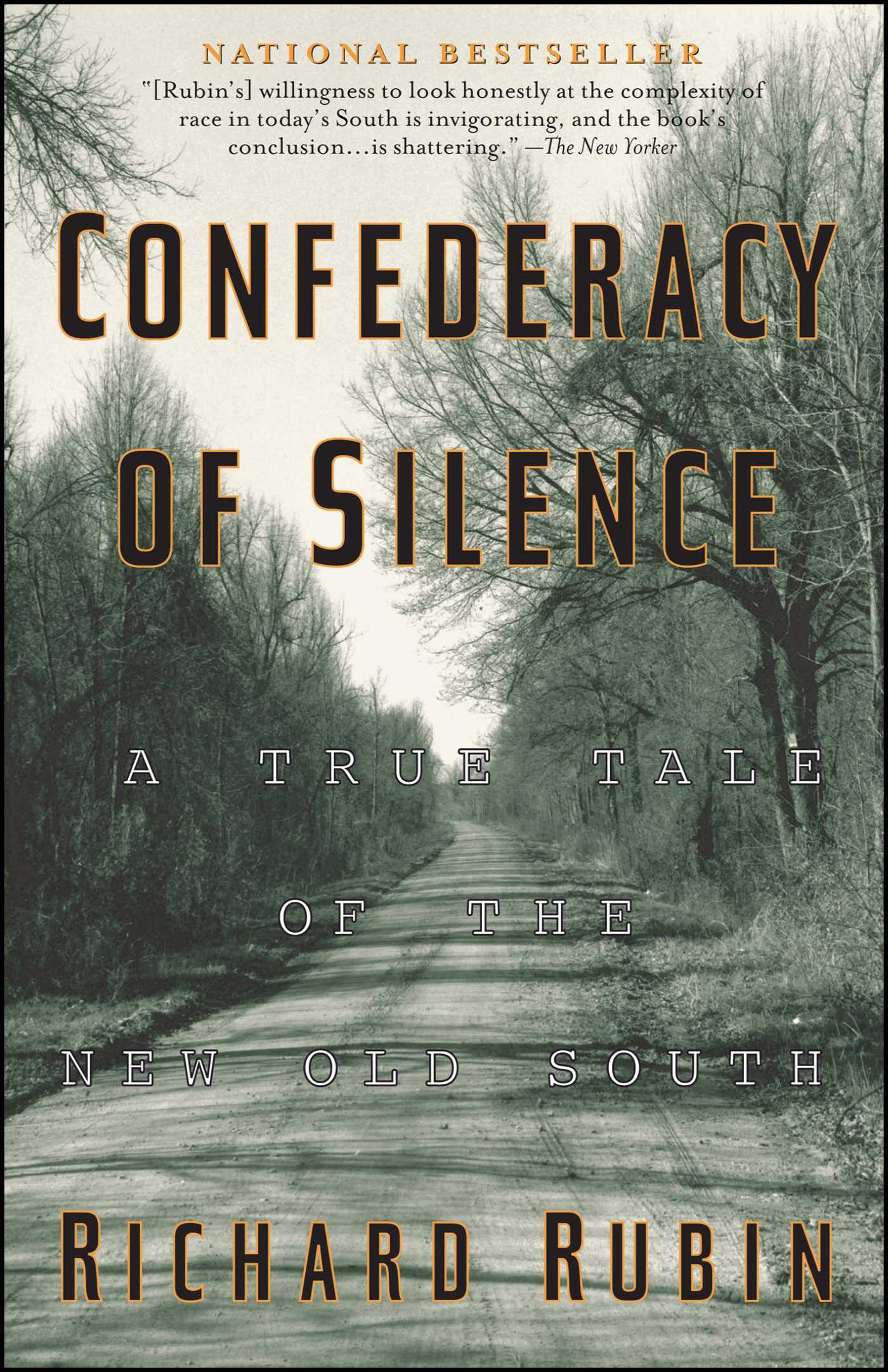
Confederacy of Silence
Richard Rubin · Atria Books
Affinity signal
Civil Rights
Criminology
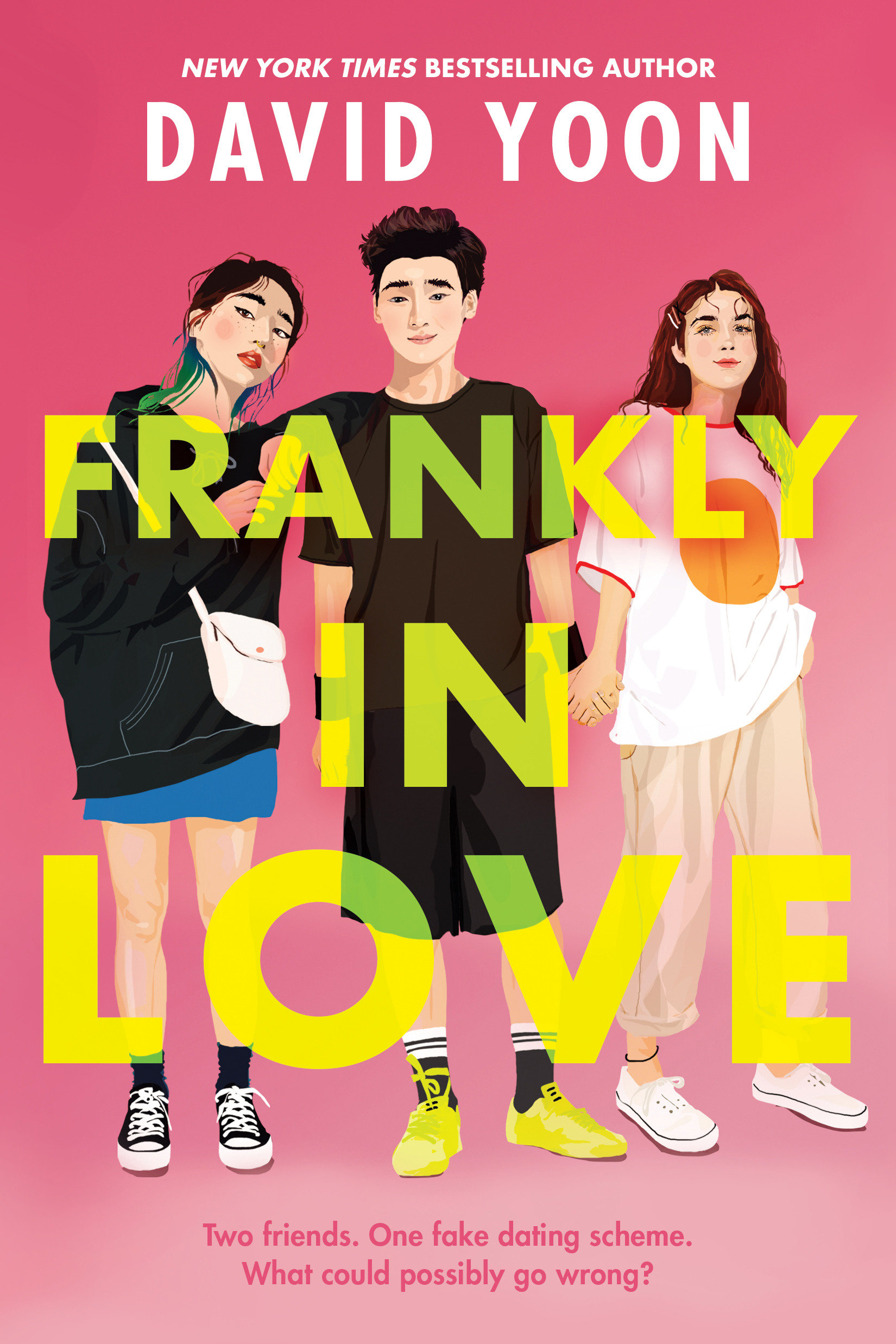
Frankly in Love
David Yoon · Penguin Young Readers Group
Affinity signal
Asian American YA
Contemporary YA Romance
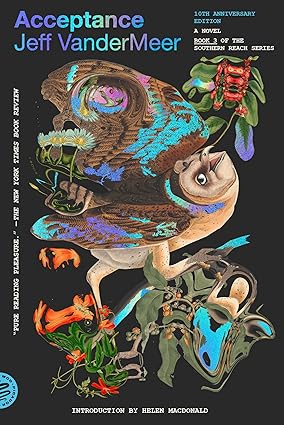
Acceptance
Jeff VanderMeer, Helen Macdonald · Picador
Affinity signal
Literary Fiction