
Twenty-Nine Goodbyes
An Introduction to Chinese Poetry
Explore one Tang poem through twenty-nine translations and an introduction to classical Chinese poetry.
Twenty-nine Translations
Come here for
- Twenty-nine translations of Li Bai’s “Seeing Off a Friend”
- An introduction to regulated verse and poetic translation
Expect
- Close attention to how translation shapes a poem
- An explanation of the lüshi, or regulated verse poem
Where it sits
How strongly BookFrontier reads the book as belonging to each subject.
Nearest books
Matched by our semantic model. Ordered by what its readers also loved.
 A Beginner's Guide to Japanese HaikuWilliam Scott Wilson51% subject match
 The Haiku Handbook #25th Anniversary EditionWilliam J. Higginson, Penny Harter51% subject match
 How To Read A PoemEdward Hirsch54% subject match
 TaoismEva Wong47% subject match
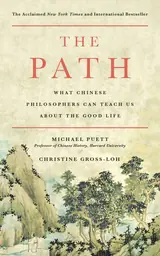 The PathMichael Puett, Christine Gross-Loh49% subject match
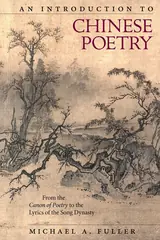 Introduction to Chinese PoetryMichael A. Fuller73% subject matchShares Chinese Poetry
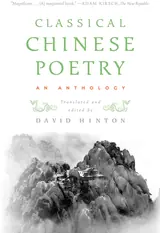 Classical Chinese PoetryDavid Hinton70% subject matchShares Chinese Poetry
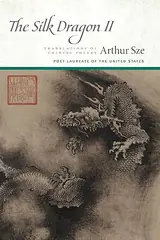 The Silk Dragon IIArthur Sze66% subject matchShares Chinese Poetry
For younger readers: A Bilingual Treasury of Chinese Folktales, Ode to the Goddess of the Luo River, The Legend of Chang'e
Start with three books, and this one can be the first.
Members get a new edition every morning: a route out from their books to essays, research and talks, with the reason for each.
Sign upAbout this book
A primer for those with no previous knowledge of Chinese, this book introduces readers to the fundamentals of classical Chinese poetry through twenty-nine ways of understanding a single poem. “Seeing Off a Friend,” by the great Tang poet Li Bai (701–762) has long been praised for its vividness, subtlety, and poignancy.
Continue reading
Anthologizing twenty-nine translations of the poem, Timothy Billings not only introduces the poem’s richness and depth but also the nuanced art of translating Chinese poetry into European languages.
A famous exemplar of “seeing off poetry,” which was common in an empire whose literati were continually on the move, Li’s poem has continued to fascinate readers far removed from its moment of composition, from the Victorians, to Ezra Pound, to contemporary translators from around the world. In talking us through these linguistic crossings, Billings unpacks the intricacies of the lüshi or "regulated verse poem," a form as pivotal to Chinese literature as the sonnet is to European tradition.
This book promises to transform its readers, step-by-step, into adept interpreters of one of the most significant verse forms in Chinese literary history. Billings’s engaging teaching style, backed by a lightly worn but deep scholarly engagement with Chinese poetry, makes this work an indispensable guide for anyone interested in poetry, translation, or the cultural heritage of China.
Publisher details
Publisher categories
- Translating & Interpreting
- Chinese Literary Criticism
- Chinese Poetry
- Authors
- Timothy Billings
- Publisher
- Fordham University Press
- Published
- December 3, 2024
- Format
- Print & ebook
- Reading lane
- Translating & Interpreting