
The Potlikker Papers
A Food History of the Modern South
Food history that moves between kitchen knowledge and the South’s larger story.
Why It Clicks
Come here for
- food as a way into Southern history
- cultural detail with a cook’s eye
Expect
- civil rights threaded through everyday cooking
- warm, thoughtful, reference-friendly prose
Where it sits
How strongly BookFrontier reads the book as belonging to each subject.
Nearest books
Matched by our semantic model. Ordered by what its readers also loved.
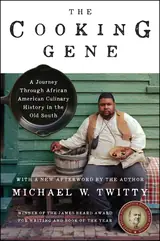 The Cooking GeneMichael W. Twitty72% subject match
 Praisesong for the Kitchen GhostsCrystal Wilkinson60% subject matchShares Southern Cooking
 Foxfire 8Eliot Wigginton50% subject matchShares Southern U.S. History
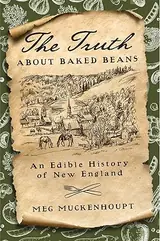 The Truth about Baked BeansMeg Muckenhoupt55% subject matchShares Food Through History
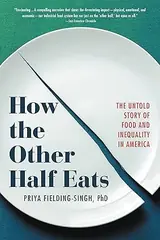 How the Other Half EatsPriya Fielding-Singh58% subject match
For younger readers: Food-Related Stories, How Did That Get in My Lunchbox?, Freedom's Children
Start with three books, and this one can be the first.
Members get a new edition every morning: a route out from their books to essays, research and talks, with the reason for each.
Sign upAbout this book
“The one food book you must read this year."
—Southern Living
One of Christopher Kimball’s Six Favorite Books About Food
A people’s history that reveals how Southerners shaped American culinary identity and how race relations impacted Southern food culture over six revolutionary decades
Like great provincial dishes around the world, potlikker is a salvage food.
Continue reading
During the antebellum era, slave owners ate the greens from the pot and set aside the leftover potlikker broth for the enslaved, unaware that the broth, not the greens, was nutrient rich. After slavery, potlikker sustained the working poor, both black and white. In the South of today, potlikker has taken on new meanings as chefs have reclaimed it. Potlikker is a quintessential Southern dish, and The Potlikker Papers is a people’s history of the modern South, told through its food. Beginning with the pivotal role cooks and waiters played in the civil rights movement, noted authority John T. Edge narrates the South’s fitful journey from a hive of racism to a hotbed of American immigration. He shows why working-class Southern food has become a vital driver of contemporary American cuisine.
Food access was a battleground issue during the 1950s and 1960s. Ownership of culinary traditions has remained a central contention on the long march toward equality. The Potlikker Papers tracks pivotal moments in Southern history, from the back-to-the-land movement of the 1970s to the rise of fast and convenience foods modeled on rural staples. Edge narrates the gentrification that gained traction in the restaurants of the 1980s and the artisanal renaissance that began to reconnect farmers and cooks in the 1990s. He reports as a newer South came into focus in the 2000s and 2010s, enriched by the arrival of immigrants from Mexico to Vietnam and many points in between. Along the way, Edge profiles extraordinary figures in Southern food, including Fannie Lou Hamer, Colonel Sanders, Mahalia Jackson, Edna Lewis, Paul Prudhomme, Craig Claiborne, and Sean Brock.
Over the last three generations, wrenching changes have transformed the South. The Potlikker Papers tells the story of that dynamism—and reveals how Southern food has become a shared culinary language for the nation.
Publisher details
Publisher categories
- Southern U.S. History
- Social History
- Agriculture & Food Systems
- Authors
- John T. Edge
- Publisher
- Penguin Publishing Group
- Published
- February 6, 2018
- Format
- Print & ebook
- Reading lane
- Southern U.S. History