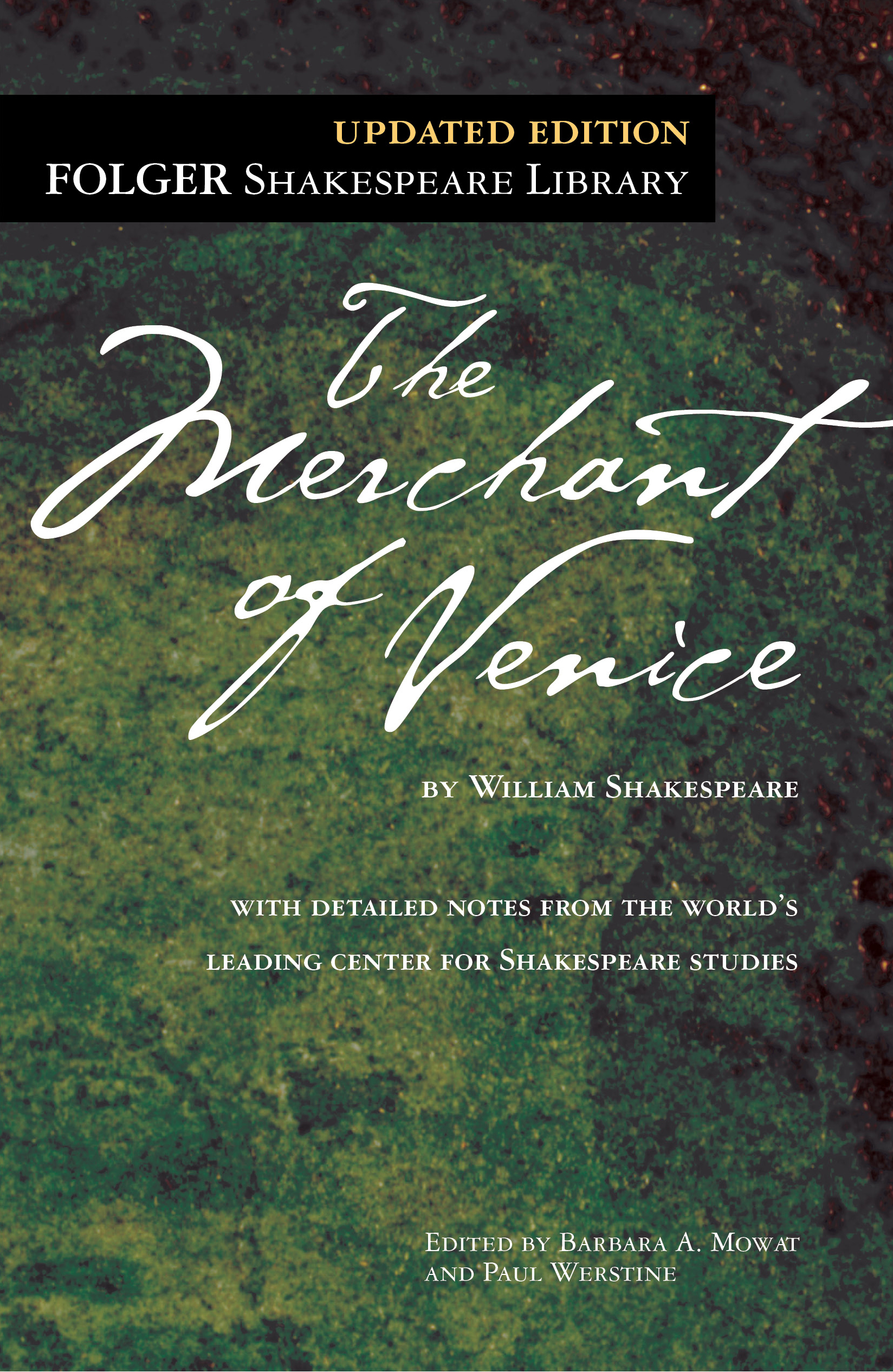
Famous speeches meet uncomfortable questions about prejudice, alienation, and mercy.
- Themes
- Marriage and courtship, Prejudice and alienation, Mercy
Mercy and Unease
Come here for
- Portia’s lawyer disguise and her celebrated appeal for mercy
- The uneasy tension between Shylock’s villainy and his alienation
Expect
- Facing-page notes, scene summaries, and a key to famous lines
- A Folger edition with language guidance and a modern scholarly essay
Where it sits
How strongly BookFrontier reads the book as belonging to each subject.
Nearest books
Matched by our semantic model. Ordered by what its readers also loved. Most of these share its genres: Shakespeare and British & Irish Plays.
 King Richard IIIWilliam Shakespeare51% subject match
 The TempestWilliam Shakespeare, Robert Langbaum62% subject match
 Richard IIWilliam Shakespeare, Dr. Barbara A. Mowat54% subject match
For younger readers: Hamlet, An Assassin's Guide to Love and Treason, The Merchant of Venice: A Graphic Novel
Start with three books, and this one can be the first.
Members get a new edition every morning: a route out from their books to essays, research and talks, with the reason for each.
Sign upAbout this book
In The Merchant of Venice, the path to marriage is hazardous. To win Portia, Bassanio must pass a test prescribed by her father’s will, choosing correctly among three caskets or chests. If he fails, he may never marry at all.
Bassanio and Portia also face a magnificent villain, the moneylender Shylock. In creating Shylock, Shakespeare seems to have shared in a widespread prejudice against Jews. Shylock would have been regarded as a villain because he was a Jew.
Continue reading
Yet he gives such powerful expression to his alienation due to the hatred around him that, in many productions, he emerges as the hero.
Portia is most remembered for her disguise as a lawyer, Balthazar, especially the speech in which she urges Shylock to show mercy that “droppeth as the gentle rain from heaven.”
The authoritative edition of The Merchant of Venice from The Folger Shakespeare Library, the trusted and widely used Shakespeare series for students and general readers, includes:
-Freshly edited text based on the best early printed version of the play
-Newly revised explanatory notes conveniently placed on pages facing the text of the play
-Scene-by-scene plot summaries
-A key to the play’s famous lines and phrases
-An introduction to reading Shakespeare’s language
-An essay by a leading Shakespeare scholar providing a modern perspective on the play
-Fresh images from the Folger Shakespeare Library’s vast holdings of rare books
-An up-to-date annotated guide to further reading
Essay by Alexander Leggatt
The Folger Shakespeare Library in Washington, DC, is home to the world’s largest collection of Shakespeare’s printed works, and a magnet for Shakespeare scholars from around the globe. In addition to exhibitions open to the public throughout the year, the Folger offers a full calendar of performances and programs. For more information, visit Folger.edu.
Publisher details
Publisher categories
- Plays
- British & Irish Plays
- Shakespeare
- Authors
- William Shakespeare, Dr. Barbara A. Mowat, Paul Werstine
- Publisher
- Simon & Schuster
- Published
- January 1, 2004
- Format
- Paperback
- Reading lane
- Plays