

Book
The Invention of Capitalism
Classical Political Economy and the Secret History of Primitive Accumulation
Michael Perelman
Duke University Press · Print & ebook · May 3, 2000
Reading lane: Capitalism & Markets
The originators of classical political economy—Adam Smith, David Ricardo, James Steuart, and others—created a discourse that explained the logic, the origin, and, in many respects, the essential rightness of capitalism.
At a Glance
Who It's For
Book Details
- Authors
- Michael Perelman
- Publisher
- Duke University Press
- Published
- May 3, 2000
- Format
- Print & ebook
- Theme
- Capitalism & Markets · Economic Theory
- Reading lane
- Capitalism & Markets
Affinity
Publisher Categories
Economic Theory
Political Economy
About This Book
The originators of classical political economy—Adam Smith, David Ricardo, James Steuart, and others—created a discourse that explained the logic, the origin, and, in many respects, the essential rightness of capitalism. But, in the great texts of that discourse, these writers downplayed a crucial requirement for capitalism’s creation: For it to succeed, peasants would have to abandon their self-sufficient lifestyle and go to work for wages in a factory. Why would they willin...
Read full description
Similar Books

Capitalism and Its Critics
John Cassidy · Farrar Straus & Giroux
Affinity signal
Capitalism & Markets
Economic Theory

A People's Guide to Capitalism
Hadas Thier · Haymarket Books
Affinity signal
Capitalism & Markets
Economic Theory

Ages of American Capitalism
Jonathan Levy · Random House Publishing Group
Affinity signal
Capitalism & Markets
Economic Theory

Capitalism, Alone
Branko Milanovic, Branko Milanović · WW Norton
Affinity signal
Capitalism & Markets
Comparative Economics

In Defense of Capitalism
Rainer Zitelmann · Republic Book Publishers
Affinity signal
Capitalism & Markets
Economic Theory

How Economics Explains the World
Andrew Leigh · HarperCollins
Affinity signal
Economic Theory
Comparative Economics
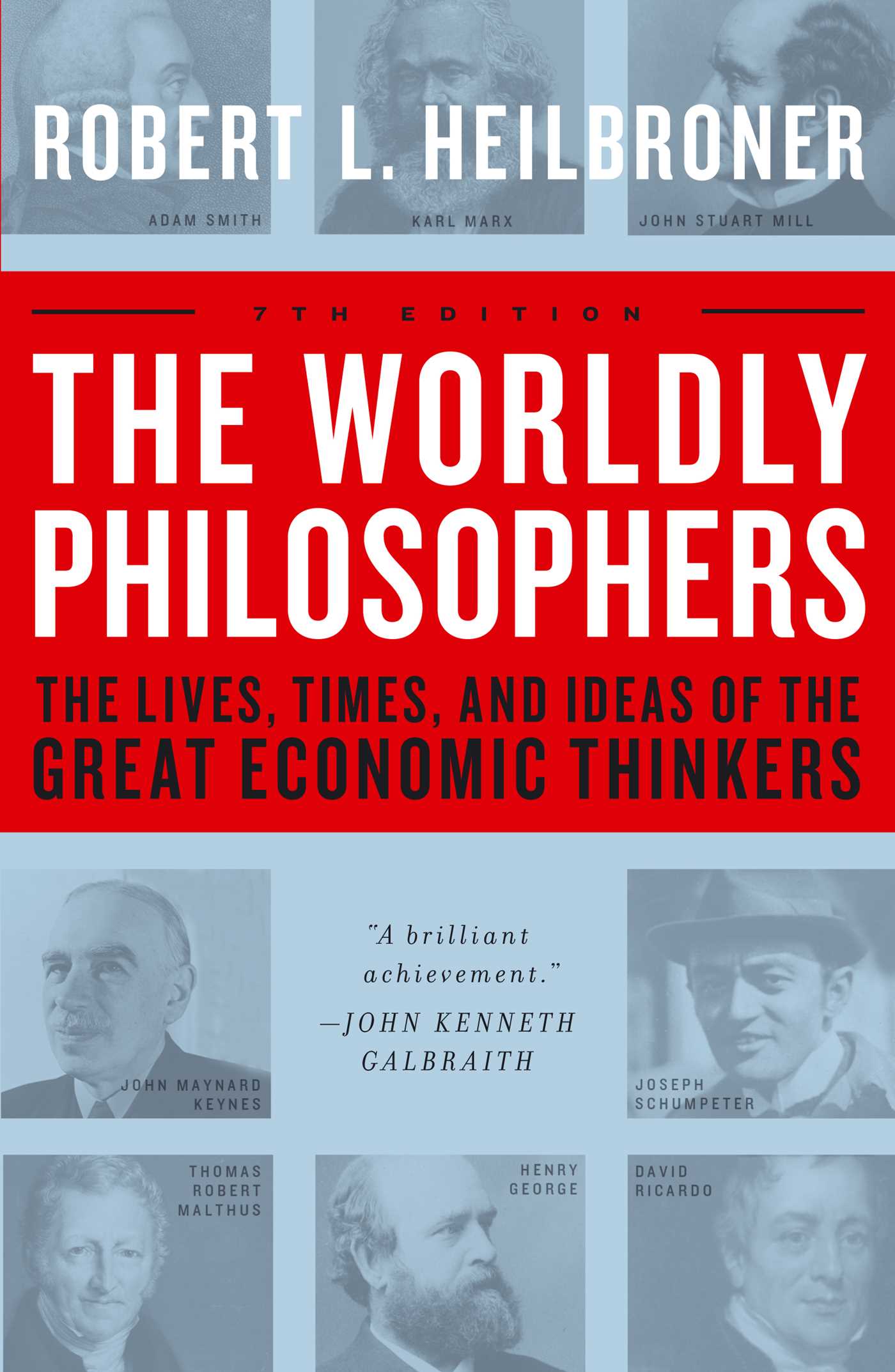
The Worldly Philosophers
Robert L. Heilbroner · Touchstone
Affinity signal
Economic Theory
Comparative Economics

The Triumph of Economic Freedom
Phil Gramm, Donald J. Boudreaux · Bloomsbury Academic
Affinity signal
Economics
Politics & Government