
The Idea Machine
How Books Built Our World and Shape Our Future
Globe Pequot Publishing · Print & ebook · November 18, 2025
Books are our first and most lasting form of information technology.
We earn from qualifying purchases.
- Who it’s for
- Joel J. Miller traces how books shaped societies and remain tools for thinking amid technological change.
- Genres
- Books & Reading, How Media Works, Technology & Society
- Published
- Globe Pequot Publishing, November 18, 2025
Nearest books
Matched by what the books are about, then ordered by what their readers also loved.
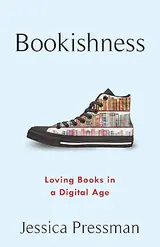 BookishnessJessica Pressman64% matchShares Books & Reading and How Media Works
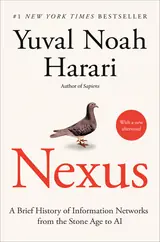 NexusYuval Noah Harari63% matchShares Technology & Society
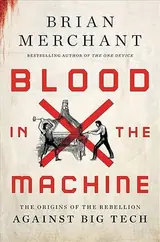 Blood in the MachineBrian Merchant62% match
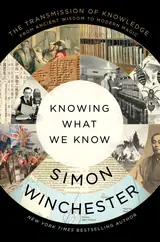 Knowing What We KnowSimon Winchester, Harper61% match
 SuperintelligenceNick Bostrom59% match
For younger readers: Future Tense, What Is Artificial Intelligence?, The Way Things Work: Newly Revised Edition
Start with three books, and this one can be the first.
Members get a new edition every morning: a route out from their books to essays, research and talks, with the reason for each.
Join the waitlistAbout this book
Books are our first and most lasting form of information technology. Books preserve ideas, yes, but they also provoke new ones— they are true tools for thinking. In The Idea Machine, Joel J. Miller shows that books are one of the most important but overlooked factors in the making of our contemporary world. And they still have lessons to teach us.
Continue reading
Polls indicate reading is on the decline, but as we deal with concerns about artificial intelligence and social and political division, the history of the book offers a path of understanding and patterns for engagement. They can even help us navigate what’s coming next. Starting with the surge of book culture in ancient Athens and then moving through the centuries, from monks and militaries to rebellions and the Renaissance, and even to more modern-day implications of books as tools of liberation and the novel’s impact on our humanity, Miller highlights the features and functions that make books indispensable to cultural evolution. Subject to its own periods of technological upheaval and social unrest, the history of the book can point us away from failed past responses and toward more fruitful adaptations that will benefit us all. The Idea Machine reframes the history of the book as the eye-opening story of humanity’s first mobile information device. Books do more than record thinking; they serve as tools to facilitate it. More than a history of the book as an object or a simple consideration of the literature it has contained, The Idea Machine is the history of the book as a technology that transformed the peoples and societies that embraced it, and which maintains a vital role in a world where technological advancements seem to render it obsolete and ideological division might render our shared future untenable.
Books as Technology
Joel J. Miller traces how books shaped societies and remain tools for thinking amid technological change.
Come here for
- Books as tools for thinking
- A history spanning ancient Athens to modern society
Expect
- Books’ roles in cultural evolution
- Connections to upheaval, liberation, and the novel’s impact on humanity
Where it sits
| Books & Reading | 64% |
|---|---|
| Technology & Society | 31% |
| How Media Works | 24% |
Percentages are BookFrontier’s reading of the book.
Publisher categories
- Civilizations
- Books & Reading
- How Cultures Work
- History of Technology
- Authors
- Joel J. Miller
- Publisher
- Globe Pequot Publishing
- Published
- November 18, 2025
- Format
- Print & ebook
- Reading lane
- Civilizations