
The Digital Delusion
How Classroom Technology Harms Our Kids' Learning--and How to Help Them Thrive Again
Harmony/Rodale/Convergent · Print & ebook · August 18, 2026
Educator and neuroscientist Dr.
We earn from qualifying purchases.
- Who it’s for
- Jared Cooney Horvath examines classroom technology’s effects on learning and ways to respond.
- Themes
- education technology critique, child cognitive development, learning strategies
- Pacing
- Reflective
Nearest books
Matched by what the books are about, then ordered by what their readers also loved.
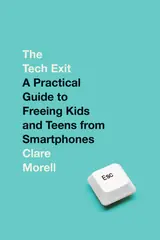 The Tech ExitClare Morell64% matchShares Family & Relationships
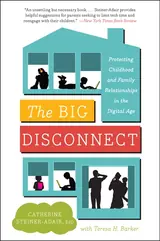 The Big DisconnectCatherine Steiner-Adair, EdD., Teresa H. Barker64% matchShares Family & Relationships
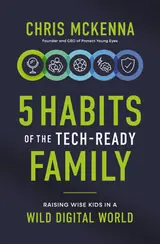 5 Habits of the Tech-ready FamilyChris McKenna63% match
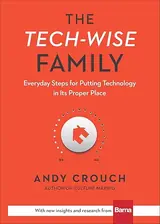 The Tech-wise FamilyAndy Crouch, Amy Crouch59% match
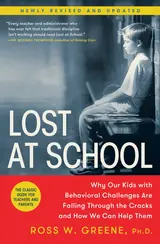 Lost at SchoolRoss W. Greene Ph.D., Ross W. Greene57% match
 Dumbing US Down - 25th Anniversary EditionJohn Taylor Gatto57% match
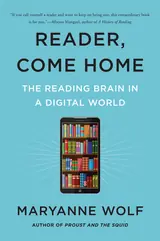 Reader, Come HomeMaryanne Wolf57% match
 Genius DeniedJan Davidson, Bob Davidson55% match
For younger readers: Slaying Digital Dragons ™, Speed Learning for Kids, The Amazing Generation
Start with three books, and this one can be the first.
Members get a new edition every morning: a route out from their books to essays, research and talks, with the reason for each.
Join the waitlistAbout this book
Educator and neuroscientist Dr. Jared Cooney Horvath reveals why digital tools in school consistently undermine learning—and what parents, teachers, and schools can do to push back with purpose. Our children are struggling. Schools, once alive with human connection, are now dominated by screens and digital tools. The result is unmistakable: declining performance, fractured attention, and the slow erosion of rigorous thought.
Continue reading
For the first time in recent history, children are falling behind previous generations on many key measures of cognitive development. In The Digital Delusion, neuroscientist and educator Dr. Jared Cooney Horvath reveals how the widespread use of laptops, tablets, and classroom software is undermining how children learn and develop. Drawing on decades of research, he provides practical tools for families to reassess device use at home, equips educators with the means to restore attention-rich learning environments, and helps schools make smarter decisions about technology. He exposes and dismantles the central myths driving the EdTech movement and lays out a clear path for putting people—not programs—back at the center of education. This is not a call to reject technology. It’s a call to reclaim real learning.
Screens in School
Jared Cooney Horvath examines classroom technology’s effects on learning and ways to respond.
Come here for
- How laptops, tablets, and classroom software may affect learning
- Practical tools for families, educators, and schools
Expect
- Research on children’s learning and development
- Guidance for device use at home and attention-rich classrooms
Where it sits
| EdTech | 73% |
|---|---|
| Educational Psychology | 20% |
| Family & Relationships | 18% |
Percentages are BookFrontier’s reading of the book.
Publisher categories
- Educational Psychology
- Family Learning
- Mental Health
- Authors
- Jared Cooney Horvath
- Publisher
- Harmony/Rodale/Convergent
- Published
- August 18, 2026
- Format
- Print & ebook
- Theme
- education technology critique · child cognitive development · learning strategies
- Reading lane
- Educational Psychology