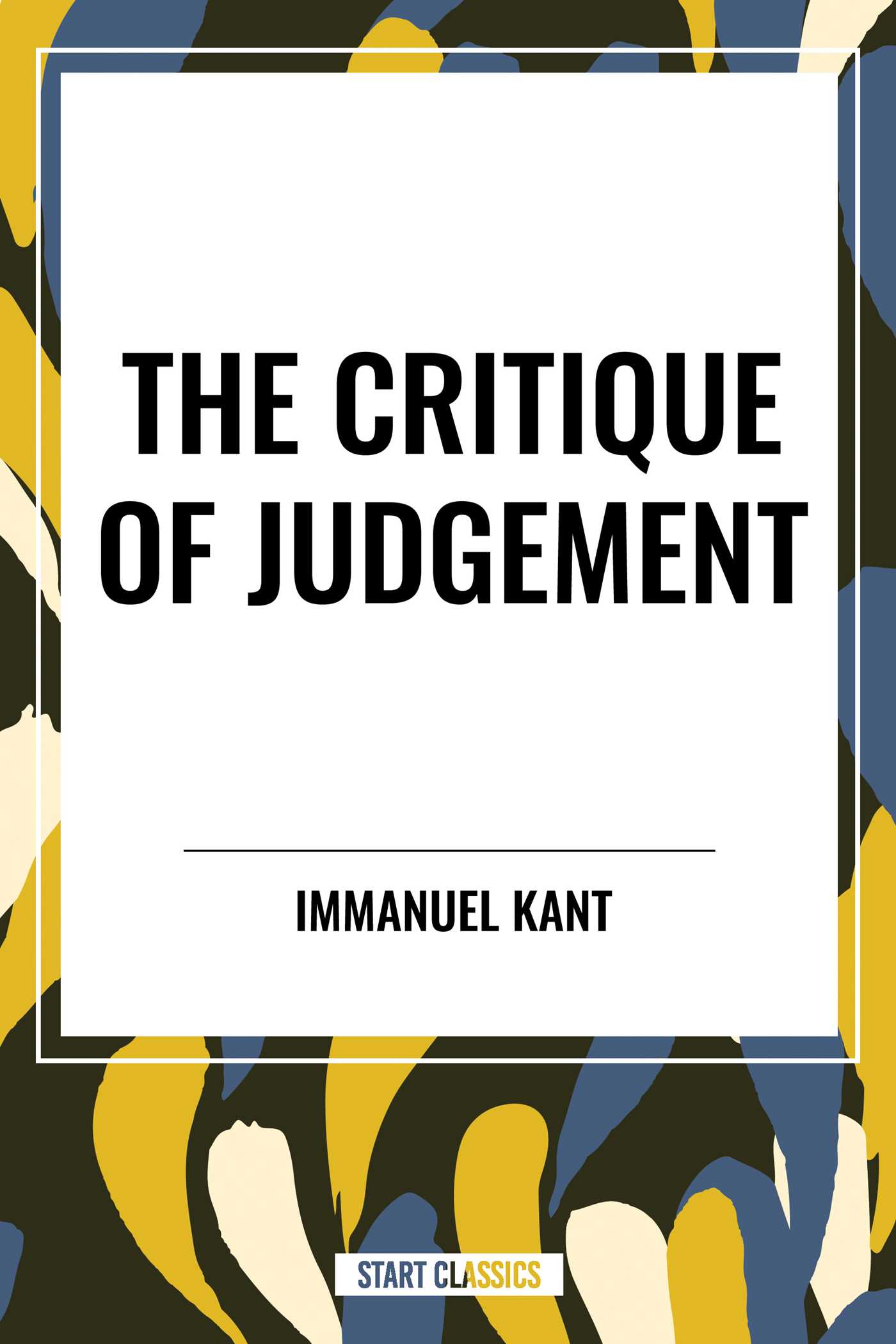
The Critique of Judgement
Kant distinguishes philosophy’s cognition of things from logic’s account of thought in general.
Rational Cognition
Come here for
- Principles of rational cognition through concepts, directed toward things
Expect
- A division of philosophy into theoretical and practical branches
Where it sits
How strongly BookFrontier reads the book as belonging to each subject.
Nearest books
Matched by our semantic model. Ordered by what its readers also loved.
 Critique of Practical ReasonImmanuel Kant51% subject matchShares Modern Philosophy
 Prolegomena to Any Future Metaphysics: And the Letter to Marcus Herz, February 1772Immanuel Kant, James W. Ellington39% subject matchShares What We Can Know and Modern Philosophy
 Basic WritingsMartin Heidegger35% subject match
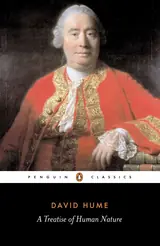 A Treatise of Human NatureDavid Hume43% subject matchShares What We Can Know
 The Varieties of Religious ExperienceDr. William James34% subject match
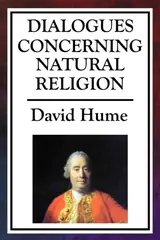 Dialogues Concerning Natural ReligionDavid Hume36% subject match
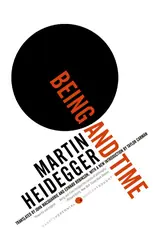 Being and TimeMartin Heidegger36% subject match
 Phenomenology of SpiritG. W. F. Hegel49% subject matchShares Modern Philosophy
Start with three books, and this one can be the first.
Members get a new edition every morning: a route out from their books to essays, research and talks, with the reason for each.
Sign upAbout this book
Philosophy may be said to contain the principles of the rational cognition that concepts afford us of things (not merely as with logic the principles of the form of thought in general irrespective of the objects) and thus interpreted the course usually adopted of dividing it into theoretical and practical is perfectly sound.
Publisher details
Publisher categories
- What We Can Know
- Philosophy Overviews
- Rationalism
- Authors
- Immanuel Kant
- Publisher
- Start Publishing PD
- Published
- May 22, 2024
- Format
- Print & ebook
- Reading lane
- What We Can Know