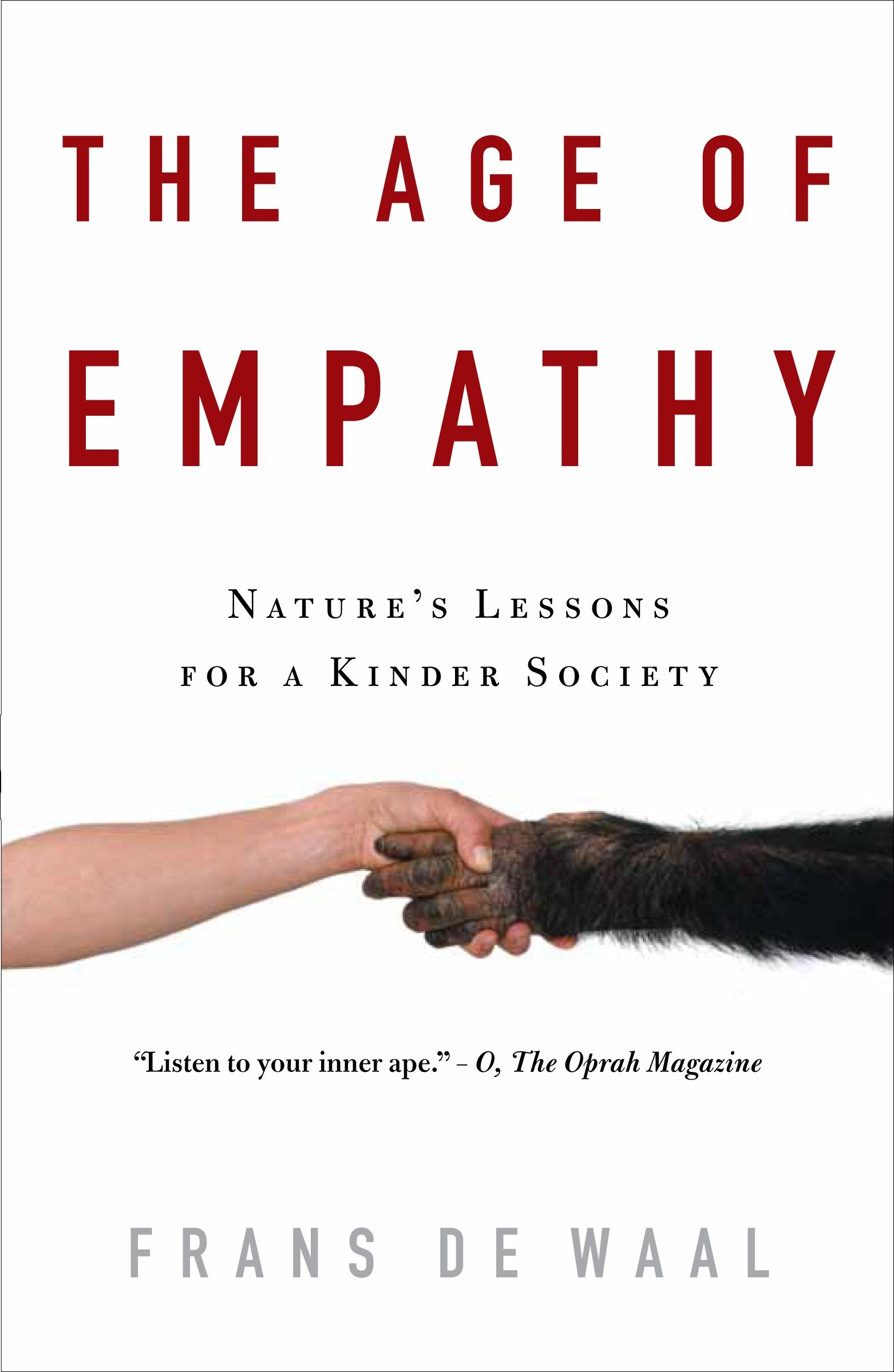
The Age of Empathy
Nature's Lessons for a Kinder Society
Animal behavior becomes a lens for reconsidering whether empathy is instinctive or learned.
- Themes
- Empathy and compassion, Animal social behavior, Human nature and society
Kindness in Nature
Come here for
- Social animal behavior and the roots of empathy
- A thoughtful challenge to the idea that humans are inherently selfish
Expect
- Anecdotes, wry humor, and clear prose
- An evolutionary argument connecting empathy with a more generous society
Where it sits
- 47%Animal Behavior
- 30%Emotions
- 26%Primatology
How strongly BookFrontier reads the book as belonging to each subject.
Nearest books
Matched by our semantic model. Ordered by what its readers also loved.
 BehaveRobert M. Sapolsky63% subject matchShares Primatology
 Darwin's Dangerous IdeaDaniel C. Dennett55% subject match
 Why Buddhism is TrueRobert Wright56% subject match
 The Hidden Life of TreesPeter Wohlleben52% subject match
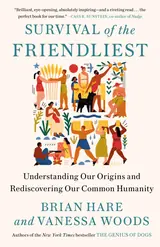 Survival of the FriendliestBrian Hare, Vanessa Woods72% subject match
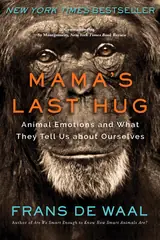 Mama's Last HugFrans de Waal73% subject matchShares Emotions, Animal Behavior and Primatology
 Curious BehaviorRobert R. Provine55% subject match
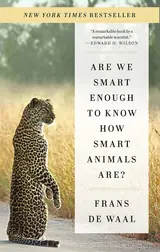 Are We Smart Enough to Know How Smart Animals Are?Frans de Waal63% subject matchShares Animal Behavior
For younger readers: DK Life Stories: Jane Goodall, Untamed, Do Unto Otters
Start with three books, and this one can be the first.
Members get a new edition every morning: a route out from their books to essays, research and talks, with the reason for each.
Sign upAbout this book
In this thought-provoking book, the acclaimed author of Our Inner Ape examines how empathy comes naturally to a great variety of animals, including humans.
Are we our brothers' keepers? Do we have an instinct for compassion? Or are we, as is often assumed, only on earth to serve our own survival and interests?
Continue reading
By studying social behaviors in animals, such as bonding, the herd instinct, the forming of trusting alliances, expressions of consolation, and conflict resolution, Frans de Waal demonstrates that animals–and humans–are "preprogrammed to reach out." He has found that chimpanzees care for mates that are wounded by leopards, elephants offer "reassuring rumbles" to youngsters in distress, and dolphins support sick companions near the water's surface to prevent them from drowning. From day one humans have innate sensitivities to faces, bodies, and voices; we've been designed to feel for one another.
De Waal's theory runs counter to the assumption that humans are inherently selfish, which can be seen in the fields of politics, law, and finance. But he cites the public's outrage at the U.S. government's lack of empathy in the wake of Hurricane Katrina as a significant shift in perspective–one that helped Barack Obama become elected and ushered in what perhaps could become an Age of Empathy. Through a better understanding of empathy's survival value in evolution, de Waal suggests, we can work together toward a more just society based on a more generous and accurate view of human nature.
Written in layman's prose with a wealth of anecdotes, wry humor, and incisive intelligence, The Age of Empathy is essential reading for our embattled times.
"An important and timely message about the biological roots of human kindness."—Desmond Morris, author of The Naked Ape
Publisher details
Publisher categories
- How We Evolved to Think
- Evolution
- How Cultures Work
- Authors
- Frans de Waal
- Publisher
- Crown
- Published
- September 7, 2010
- Format
- Print & ebook
- Reading lane
- How We Evolved to Think