
Nariman Skakov examines how Central Asian traditions opened space for avant-garde experimentation under Stalin.
Central Asian Traditions
Come here for
- Soviet artists’ engagement with Central Asian traditions
- A reconsideration of orientalism and socialism
Expect
- Attention to national form and aesthetic innovation
- An account of exoticization and the Soviet East
Where it sits
How strongly BookFrontier reads the book as belonging to each subject.
Nearest books
Matched by our semantic model. Ordered by what its readers also loved. Most of these share its genre: Soviet-Era Russia.
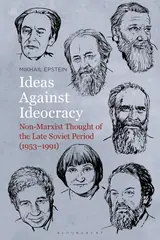 Ideas Against IdeocracyMikhail Epstein61% subject match
 Blood of OthersRory Finnin49% subject match
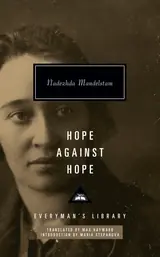 Hope Against HopeNadezhda Mandelstam49% subject match
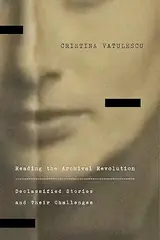 Reading the Archival RevolutionCristina Vatulescu49% subject matchAlso shares Russian Lit Crit
 StalinStephen Kotkin48% subject match
For younger readers: I Wish I Didn't Have to Tell You This: A Graphic Memoir, The Noisy Paint Box: The Colors and Sounds of Kandinsky's Abstract Art, The Endless Steppe
Start with three books, and this one can be the first.
Members get a new edition every morning: a route out from their books to essays, research and talks, with the reason for each.
Sign upAbout this book
It is commonly believed that Stalinism ended a vibrant period in Soviet avant-garde art and literature. The triumph of socialist realism, in this view, curtailed experimentation with aesthetic form and replaced it with a call for clarity, accessibility, and ideological conformity. But Stalin’s formula “national in form, socialist in content” gave artists an opening for officially sanctioned formal innovation—as long as it drew on the national cultures of the Soviet Union.
Continue reading
Nariman Skakov offers a new way to understand Soviet modernism, showing how writers and artists looked to the East to renew avant-garde experimentalism under Stalin. He traces how figures such as Victor Shklovsky, Aleksandr Rodchenko, Varvara Stepanova, Dziga Vertov, and Sergei Eisenstein responded to the Soviet state’s ideological demands by engaging with the traditions of the new socialist republics in Central Asia. The concept of national form gave these artists a sanctuary for aesthetic innovation, yet this experimentation relied on exoticization of the “strangeness” of the Soviet East and a fascination with ethnic others.
Recasting Soviet aesthetics from the vantage point of Central Asia, Skakov rethinks orientalism and its relationship to socialism. Challenging conventional narratives of the fate of the Soviet avant-garde, Reorientalism provides a deeply original decentering of modernism.
Publisher details
Publisher categories
- Russian Lit Crit
- 21st Century Literature
- Politics in Literature
- Authors
- Nariman Skakov
- Publisher
- Columbia University Press
- Published
- October 28, 2025
- Format
- Print & ebook
- Reading lane
- Russian Lit Crit