
Overground Railroad
The Green Book and the Roots of Black Travel in America
A travel history that makes the open road feel both instructive and uneasy.
Roadside Friction
Come here for
- Green Book history, road-trip logistics, and the hard edges of travel
- Civil-rights context with a practical, object-by-object feel
Expect
- Car culture and route-finding details
- Conversation-ready history, not a neat timeline
Where it sits
How strongly BookFrontier reads the book as belonging to each subject.
Nearest books
Matched by our semantic model. Ordered by what its readers also loved. Most of these share its genres: Black History and Race & Discrimination.
 Black in BluesImani Perry50% subject match
 The Black ChurchHenry Louis Gates, Jr.53% subject match
 How the Word Is PassedClint Smith56% subject match
 The Sum of UsHeather McGhee50% subject match
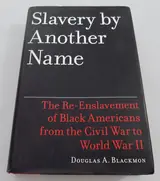 Slavery by Another NameDouglas A. Blackmon51% subject match
 Black AF HistoryMichael Harriot53% subject match
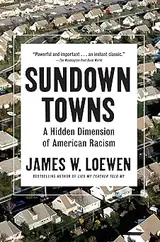 Sundown TownsJames W. Loewen51% subject match
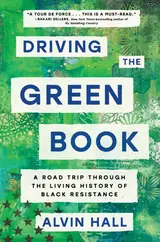 Driving the Green BookAlvin Hall82% subject match
For younger readers: Black Birds in the Sky, Strange Fruit, Volume II, A Long Time Coming
Start with three books, and this one can be the first.
Members get a new edition every morning: a route out from their books to essays, research and talks, with the reason for each.
Sign upAbout this book
A New York Times Notable Book, Overground Railroad is a compelling and illuminating exploration of the historical role and residual impact of the Green Book, a travel guide for Black motorists used for decades when traveling through segregated America.
“Essential” (Library Journal; starred review) I“Recalls Isabel Wilkerson's The Warmth of Other Suns” ( Los Angeles Times) I “Eye-opening, deeply moving.” (Bookpage; starred review)
Continue reading
It took courage to be listed in the Green Book, and Overground Railroad celebrates the stories of those who put their names in the book and stood up against segregation. It shows the history of the Green Book, how we arrived at our present historical moment, and how far we still have to go when it comes to race relations and systemic racism in America.
Published from 1936 to 1966, the Green Book was hailed as the “Black travel guide to America.” At that time, it was both dangerous and difficult for African Americans to travel, because Black travelers couldn’t eat, sleep, or buy gas at most white-owned businesses. The Green Book listed hotels, restaurants, gas stations, and other businesses that were safe for Black travelers. It was a resourceful and innovative solution to a horrific problem.
Candacy Taylor writes in her introduction, “The Green Book was published during a time when car travel symbolized freedom in America, but since racial segregation was in full force throughout the country, the open road wasn’t open to all. When Black motorists picked up a copy of the Green Book, they were greeted by the words ‘Just What You Have Been Looking For!! NOW WE CAN TRAVEL WITHOUT EMBARRASSMENT.’”
Chapters include:
- Driving While Black
- The Business of the Green Book
- Vacation
- Music Venues
- The Roots of Route 66
- Women and the Green Book
- and much more
Includes color and black-and-white period illustrations
Publisher details
Publisher categories
- Southern U.S. History
- Black History
- Race & Discrimination
- Southern US Travel
- Authors
- Candacy Taylor
- Publisher
- Harry N. Abrams
- Published
- January 13, 2026
- Format
- Print & ebook
- Reading lane
- Southern U.S. History