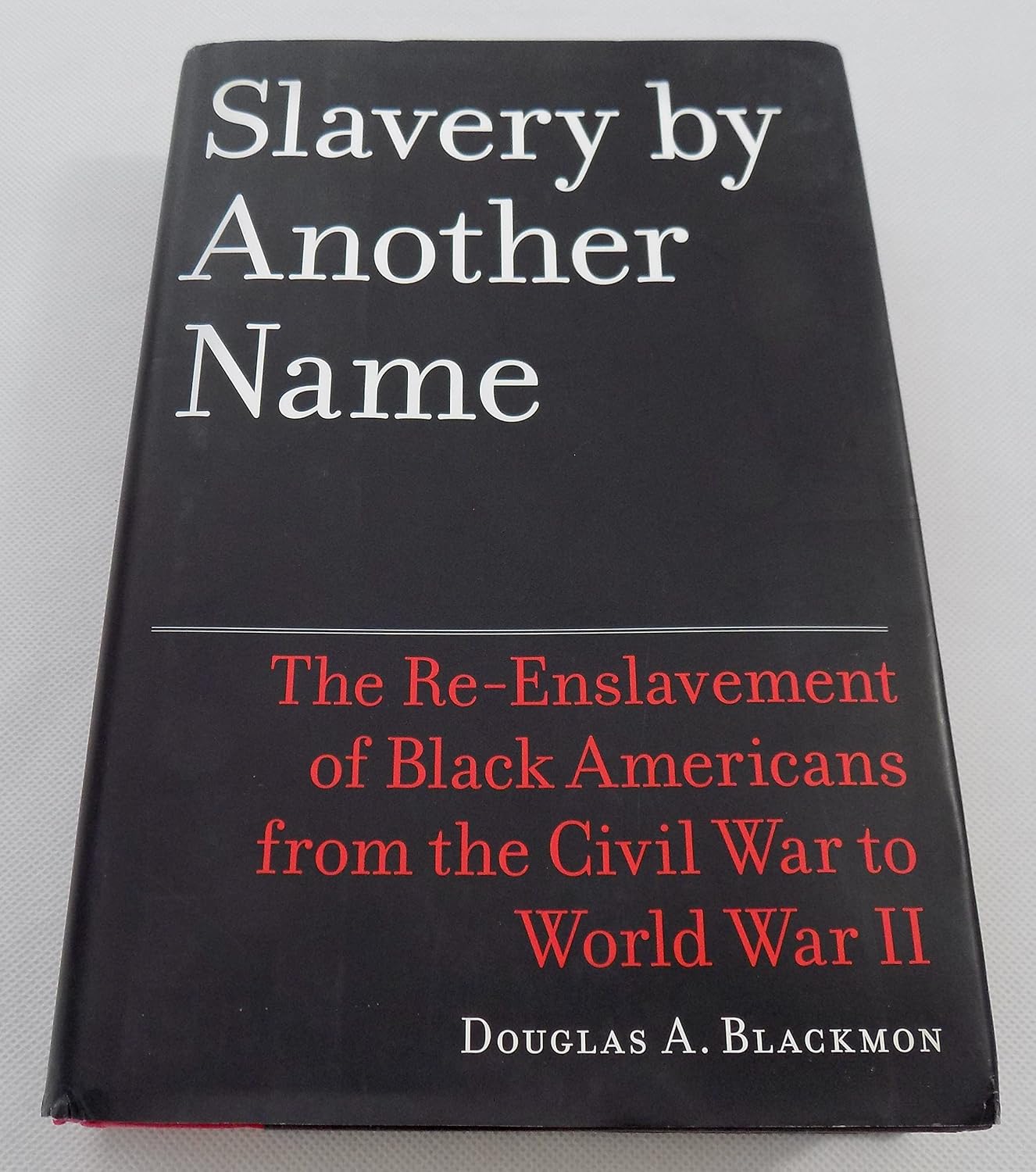
Slavery by Another Name
The Re-Enslavement of Black Americans from the Civil War to World War II
- Themes
- Post-emancipation forced labor, Anti-Black racial terror, Resistance to neoslavery
Who it’s for
- For readers interested in documented histories of post-Civil War America
- For readers interested in personal narratives of enslavement and resistance
Where it sits
How strongly BookFrontier reads the book as belonging to each subject.
Nearest books
Matched by our semantic model. Ordered by what its readers also loved.
 From the War on Poverty to the War on CrimeElizabeth Hinton56% subject matchShares Race & Discrimination
 The Fiery TrialEric Foner62% subject matchShares Black History
 American PrisonShane Bauer53% subject match
 Twelve Years a SlaveSolomon Northup61% subject matchShares Slavery Studies
 The Color of LawRichard Rothstein58% subject match
 Not Made by SlavesBronwen Everill57% subject matchShares Slavery Studies
 Master Slave Husband WifeIlyon Woo58% subject matchShares Slavery Studies
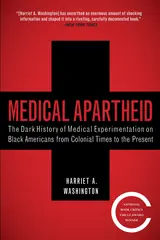 Medical ApartheidHarriet A. Washington64% subject matchShares Black History and Race & Discrimination
For younger readers: We Are Not Yet Equal, To Be a Slave, Stolen Justice: The Struggle for African American Voting Rights
Start with three books, and this one can be the first.
Members get a new edition every morning: a route out from their books to essays, research and talks, with the reason for each.
Sign upAbout this book
In this groundbreaking historical exposé, Douglas A. Blackmon brings to light one of the most shameful chapters in American history—an “Age of Neoslavery” that thrived from the aftermath of the Civil War through the dawn of World War II.
Under laws enacted specifically to intimidate blacks, tens of thousands of African Americans were arbitrarily arrested, hit with outrageous fines, and charged for the costs of their own arrests.
Continue reading
With no means to pay these ostensible “debts,” prisoners were sold as forced laborers to coal mines, lumber camps, brickyards, railroads, quarries, and farm plantations. Thousands of other African Americans were simply seized by southern landowners and compelled into years of involuntary servitude. Government officials leased falsely imprisoned blacks to small-town entrepreneurs, provincial farmers, and dozens of corporations—including U.S. Steel—looking for cheap and abundant labor. Armies of “free” black men labored without compensation, were repeatedly bought and sold, and were forced through beatings and physical torture to do the bidding of white masters for decades after the official abolition of American slavery.
The neoslavery system exploited legal loopholes and federal policies that discouraged prosecution of whites for continuing to hold black workers against their wills. As it poured millions of dollars into southern government treasuries, the new slavery also became a key instrument in the terrorization of African Americans seeking full participation in the U.S. political system.
Based on a vast record of original documents and personal narratives, Slavery by Another Name unearths the lost stories of slaves and their descendants who journeyed into freedom after the Emancipation Proclamation and then back into the shadow of involuntary servitude. It also reveals the stories of those who fought unsuccessfully against the re-emergence of human labor trafficking, the modern companies that profited most from neoslavery, and the system’s final demise in the 1940s, partly due to fears of enemy propaganda about American racial abuse at the beginning of World War II.
Slavery by Another Name is a moving, sobering account of a little-known crime against African Americans, and the insidious legacy of racism that reverberates today.
Publisher details
Publisher categories
- 20th-Century America
- Authors
- Douglas A. Blackmon
- Publisher
- Knopf Doubleday Publishing Group
- Published
- March 25, 2008
- Format
- Print & ebook
- Reading lane
- 20th-Century America