
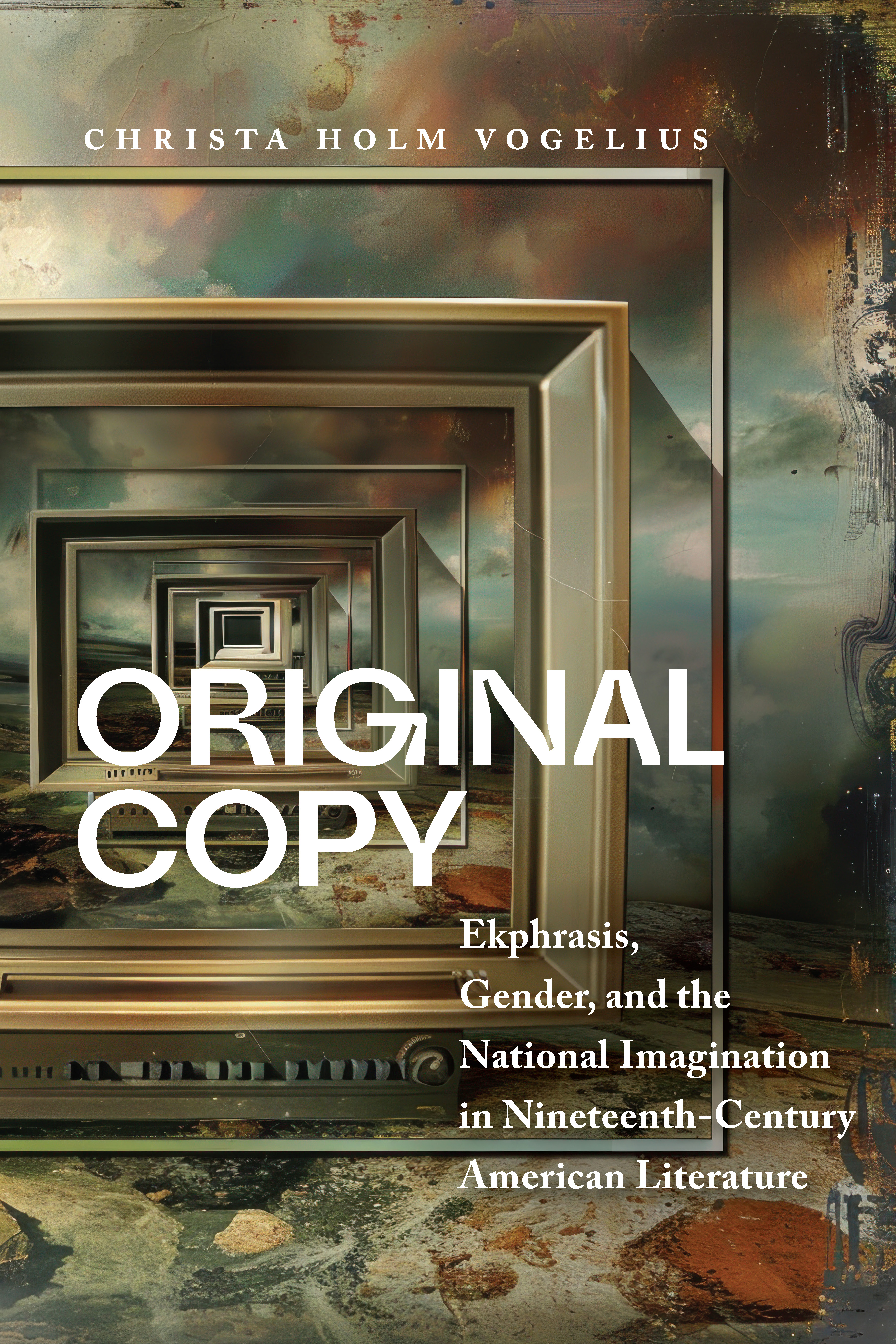
Book
Original Copy
Ekphrasis, Gender, and the National Imagination in Nineteenth-century American Literature
Christa Holm Vogelius
University of Massachusetts Press · Print & ebook · February 18, 2025
Reading lane: 19th-Century Literary Criticism
When critics of poet Phillis Wheatley, the first African American to publish a collection of poetry, dismiss her work as derivative, they fail to see her writing as part of a new creative pantheon, sitting alongside other works that, like the popular copybooks in antebellum America, are structured as a conversation between artistic allies.
At a Glance
Who It's For
Book Details
- Authors
- Christa Holm Vogelius
- Publisher
- University of Massachusetts Press
- Published
- February 18, 2025
- Format
- Print & ebook
- Theme
- 19th-Century Literary Criticism · 18th Century Literature
- Reading lane
- 19th-Century Literary Criticism
Affinity
Publisher Categories
American Lit Crit
Women Authors Criticism
19th-Century Literary Criticism
Women in Literature
About This Book
When critics of poet Phillis Wheatley, the first African American to publish a collection of poetry, dismiss her work as derivative, they fail to see her writing as part of a new creative pantheon, sitting alongside other works that, like the popular copybooks in antebellum America, are structured as a conversation between artistic allies. Different kinds of copying in this period were distinctly feminized practices, such as artistic copying, pedagogical recitation, and lite...
Read full description
Similar Books

American Literary Misfits
D. Berton Emerson · The University of North Carolina Press
Affinity signal
American Lit Crit
Politics in Literature

The Ideological Origins of African American Literature
Phillip M. Richards · University of Tennessee Press
Affinity signal
Black Lit Crit
African Lit Crit
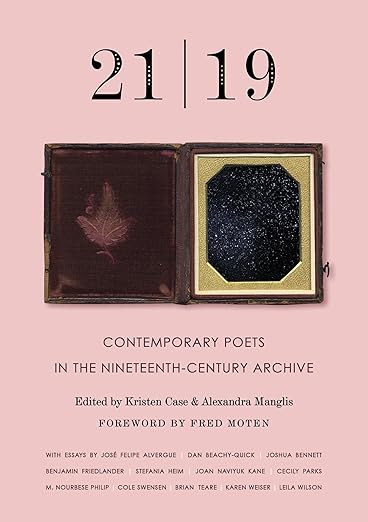
21 19
Alexandra Manglis, Kristen Case · Milkweed Editions
Affinity signal
19th-Century Literary Criticism
American Lit Crit

Cultural Sites of Critical Insight
Angela L. Cotten, Christa Davis Acampora · State University of New York Press
Affinity signal
Indigenous Lit Crit
Black Lit Crit

Black Writers of the Founding Era (LOA #366)
James G. Basker, Nicole Seary · Library of America
Affinity signal
Black Lit Crit
African American Literary Collections
Philanthropic Discourse in Anglo-american Literature, 1850-1920
Frank Q. Christianson, Leslee Thorne-Murphy · Indiana University Press
Affinity signal
19th-Century Literary Criticism
18th Century Literature
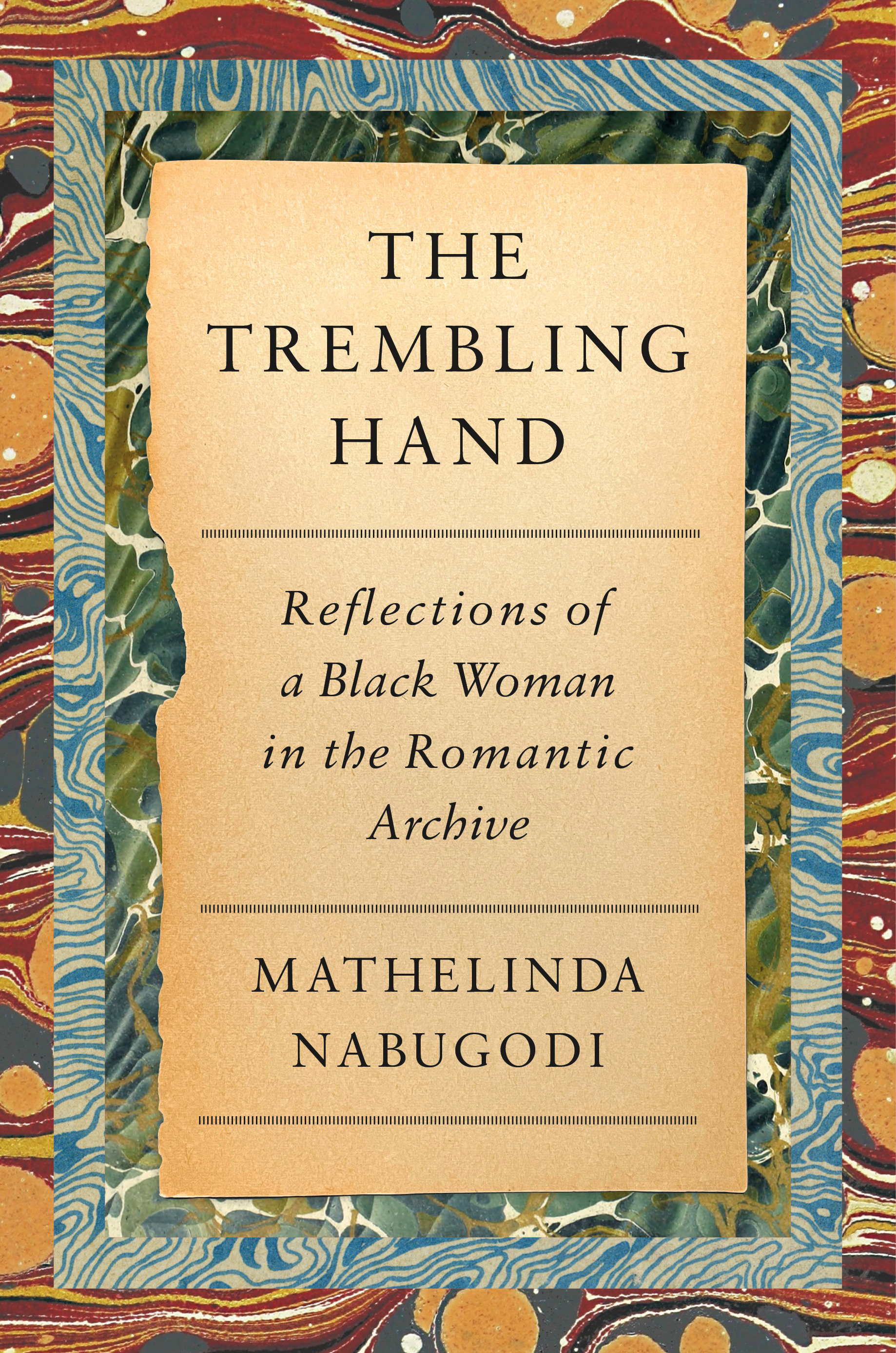
The Trembling Hand
Mathelinda Nabugodi · Knopf Doubleday Publishing Group
Affinity signal
Black Lit Crit
African American Literary Collections

The Emerson Circle
Bruce Nichols · Avid Reader Press / Simon & Schuster
Affinity signal
New England History
American Lit Crit