

Book
Orientalism
Edward W. Said
Knopf Doubleday Publishing Group · Print & ebook · October 12, 1979
Reading lane: Middle Eastern Lit Crit
A Nonfiction pick for readers exploring Orientalism.
At a Glance
Why This Clicks
Reading the East
A vigorous study of how Western power shaped the idea of the East—and still shapes understanding.
Come here for
- A searching account of culture, history, and the politics of representation
- A way to question familiar ideas of East and West
Expect
- An intellectually wide-ranging critique
- A sustained argument tracing Orientalism’s origins and continuing influence
Book Details
- Authors
- Edward W. Said
- Publisher
- Knopf Doubleday Publishing Group
- Published
- October 12, 1979
- Format
- Print & ebook
- Theme
- Middle Eastern Lit Crit · How Cultures Work
- Reading lane
- Middle Eastern Lit Crit
Affinity
Publisher Categories
Colonialism & Its Aftermath
Ethnic Studies
Regional Studies
About This Book
A groundbreaking critique of the West's historical, cultural, and political perceptions of the East that is—decades after its first publication—one of the most important books written about our divided world. • With a new foreword by Ussama Makdisi "Intellectual history on a high order ... and very exciting." — The New York Times In this wide-ranging, intellectually vigorous study, Said traces the origins of "orientalism" to the centuries-long period during which Europe domi...
Read full description
Similar Books
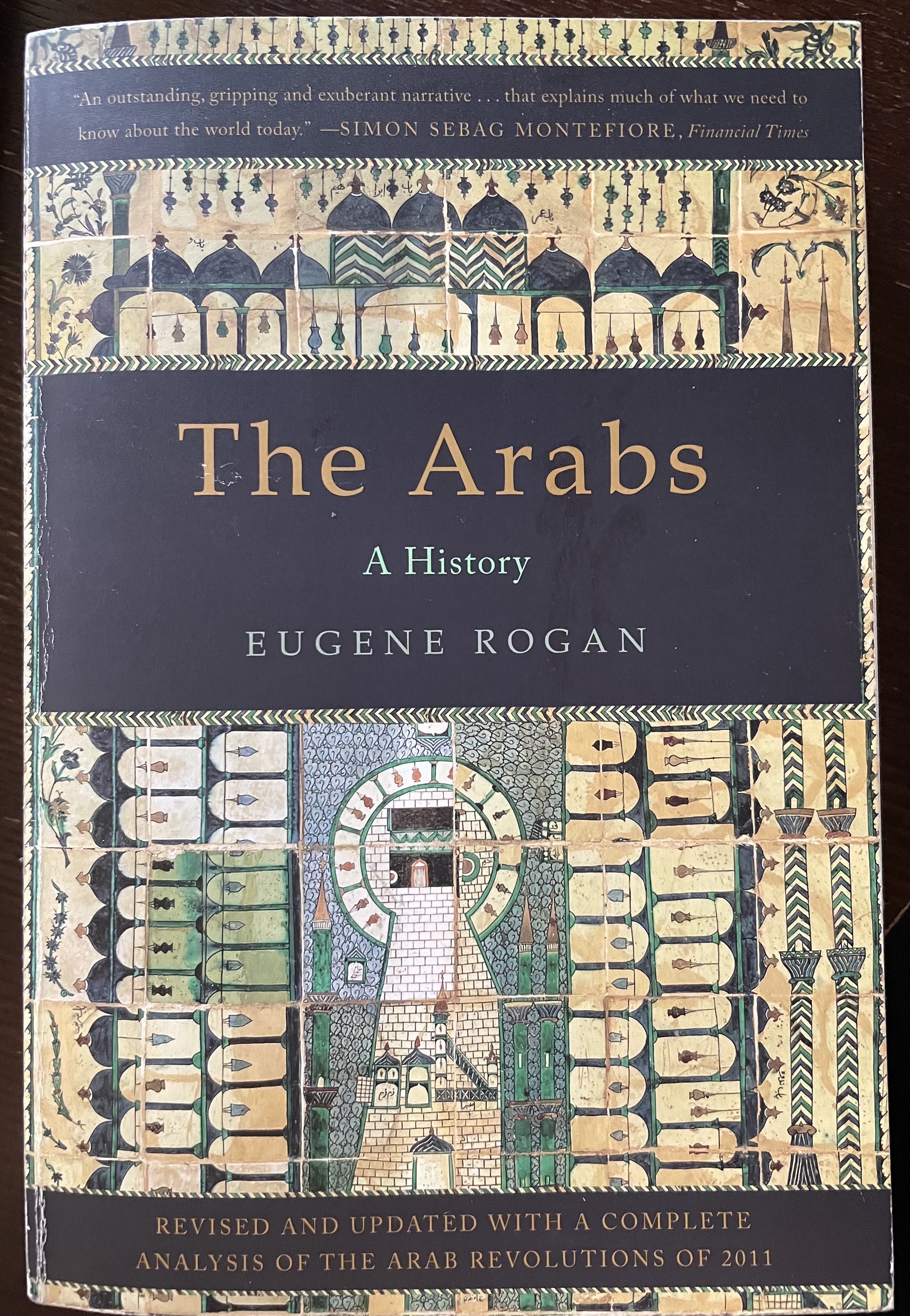
The Arabs
Eugene Rogan, Derek Perkins · Basic Books
Affinity signal
North African History
Arabian Peninsula History

The Hundred Years' War on Palestine
Rashid Khalidi · Picador
Affinity signal
Other Military Conflicts
Arabian Peninsula History

In a Persian Mirror
M. R. Ghanoonparvar · University of Texas Press
Affinity signal
Iranian History
Middle Eastern Lit Crit
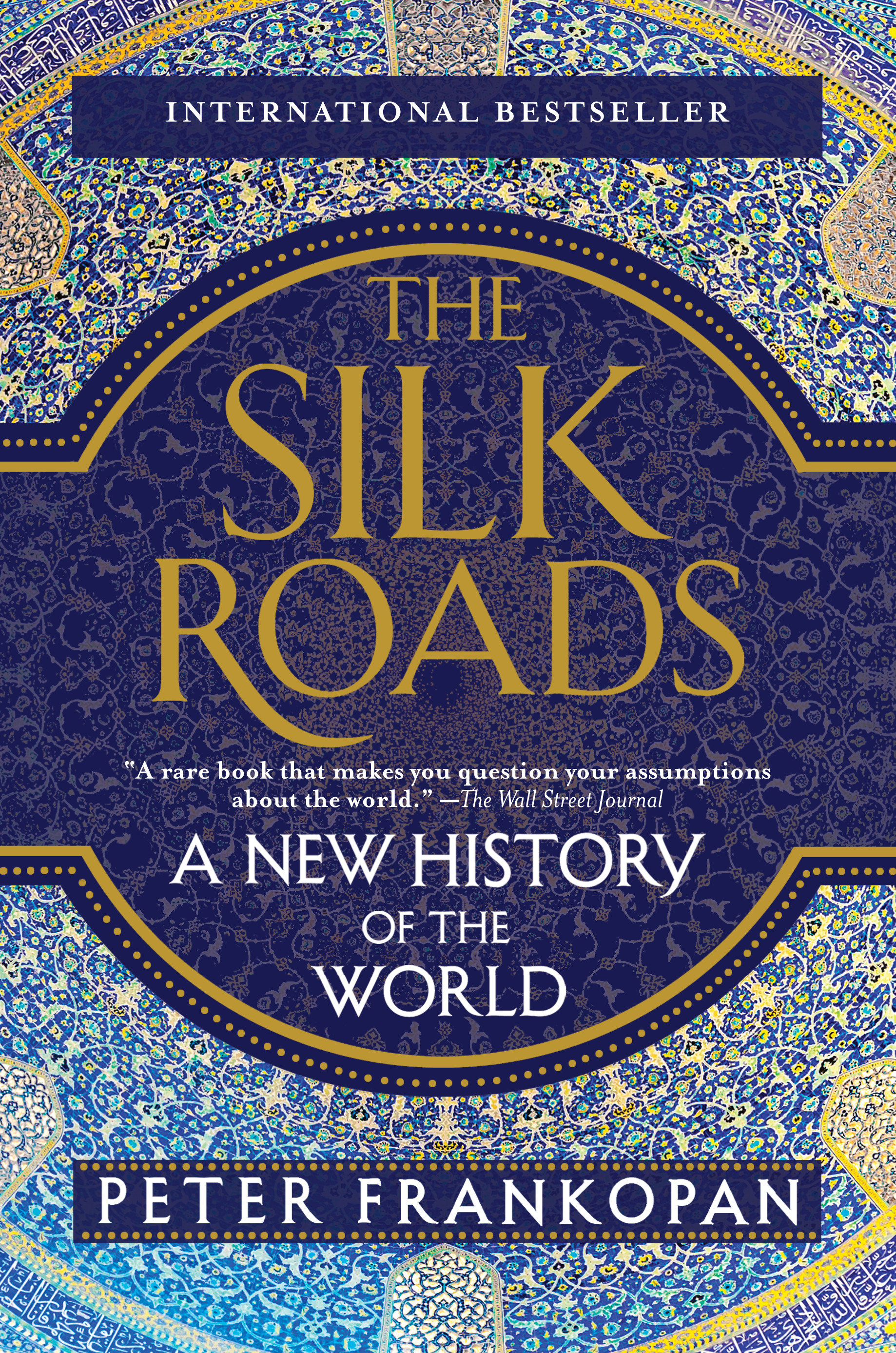
The Silk Roads
Peter Frankopan · Knopf Doubleday Publishing Group
Affinity signal
Travel in Turkey
Modern History

Creative Reckonings
Jessica Winegar · Stanford University Press
Affinity signal
Ancient & Classical Art History
Middle Eastern Lit Crit

Language and Identity in the Middle East and North Africa
Yasir Suleiman · Taylor and Francis
Affinity signal
Ethnic Studies