
Creative Reckonings
The Politics of Art and Culture in Contemporary Egypt
Stanford University Press · Print & ebook · October 11, 2006
The Egyptian art world is the oldest and largest in the Arab Middle East.
We earn from qualifying purchases.
- Who it’s for
- How Egyptian art-making intersects with cultural politics and economic change.
- Genres
- Middle Eastern Art, Art & Politics, How Cultures Work
- Published
- Stanford University Press, October 11, 2006
Nearest books
Matched by what the books are about, then ordered by what their readers also loved.
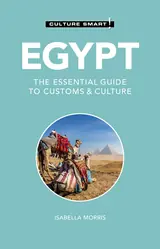 Egypt - Culture Smart!Isabella Morris, Culture Smart!60% matchShares How Cultures Work
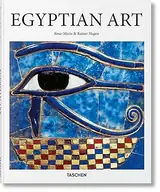 Egyptian ArtRose-Marie Hagen, Rainer Hagen57% match
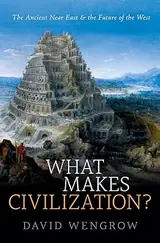 What Makes Civilization?David Wengrow54% match
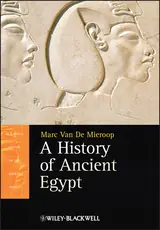 A History of Ancient EgyptMarc Van De Mieroop53% match
For younger readers: The Ancient Egyptian World, The Little Hippo, This Is What I Know About Art
Start with three books, and this one can be the first.
Members get a new edition every morning: a route out from their books to essays, research and talks, with the reason for each.
Join the waitlistAbout this book
The Egyptian art world is the oldest and largest in the Arab Middle East. Its artists must reckon with the histories of ancient Egypt, European modernism, anti-colonial nationalism, and state socialism-all in the context of a growing neoliberal economy marked by American global dominance.
Continue reading
At this crucial intersection of culture, politics, and economy, Egypt's art and artists provide unique insight into current struggles for cultural identity and sovereignty in the Middle East. This book examines the heated cultural politics in today's Arab world, and tells how art-making has become an unexpectedly central part of that. It offers a lively analysis of the battles between artists, curators, and audiences over cultural authenticity, cultural policy, public art in a changing urban Egypt, and the new global marketing of Egyptian art. The art world it shows powerfully exemplifies how people in the Middle East reckon with global transformations that are changing how culture is made in societies with colonial and socialist pasts.
Egyptian Art Politics
How Egyptian art-making intersects with cultural politics and economic change.
Come here for
- Battles over cultural authenticity
- Public art in a changing urban Egypt
Expect
- Art and artists reckoning with colonial and socialist pasts
- The global marketing of Egyptian art
Where it sits
| Middle Eastern Art | 45% |
|---|---|
| How Cultures Work | 39% |
| Art & Politics | 31% |
Percentages are BookFrontier’s reading of the book.
Publisher categories
- How Cultures Work
- Authors
- Jessica Winegar
- Publisher
- Stanford University Press
- Published
- October 11, 2006
- Format
- Print & ebook
- Reading lane
- How Cultures Work