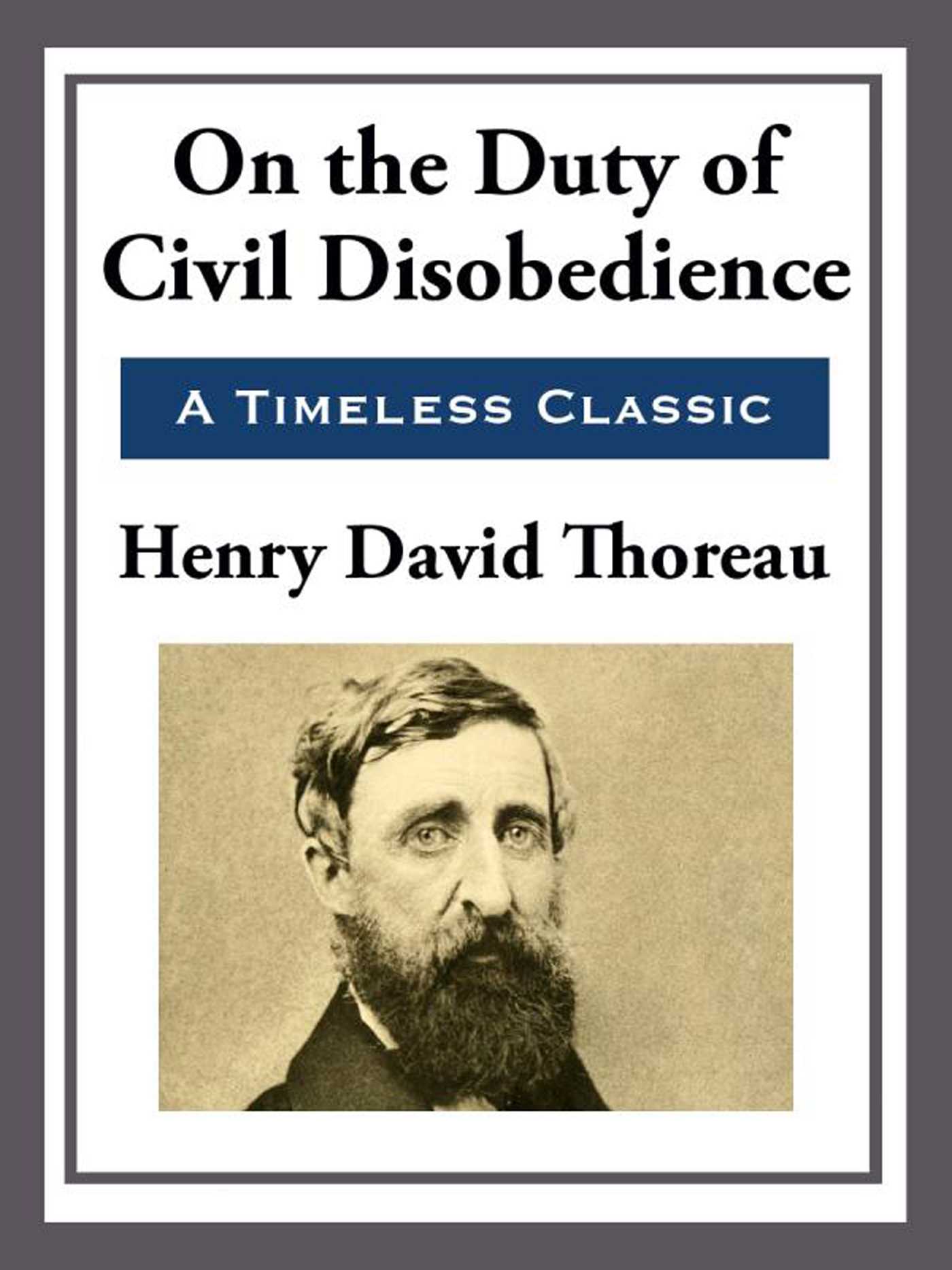
On the Duty of Civil Disobedience
Series: Unabridged Start Publishing LLC
Thoreau’s argument connects private conscience to the public costs of acquiescence.
Conscience and Citizenship
Come here for
- A clear-eyed case for conscience over obedience
- Political thought rooted in opposition to slavery and war
Expect
- A compact encounter with a classic political argument
- Questions about when citizenship becomes complicity
Where it sits
How strongly BookFrontier reads the book as belonging to each subject.
Nearest books
Matched by our semantic model. Ordered by what its readers also loved.
 Common SenseThomas Paine, Isaac Kramnick47% subject matchShares Political Philosophy
 The Rights of ManThomas Paine49% subject matchShares Political Philosophy
 My Bondage, My FreedomFrederick Douglass48% subject match
 American VisionsEdward L Ayers59% subject match
For younger readers: A Young People's History of the United States, Volume 2, Fault Lines in the Constitution, A Young People's History of the United States, Volume 1
Start with three books, and this one can be the first.
Members get a new edition every morning: a route out from their books to essays, research and talks, with the reason for each.
Sign upAbout this book
Civil Disobedience argues that citizens should not permit their governments to overrule their consciences, and that they have a duty to avoid allowing their acquiescence to enable the government to make them the agents of injustice. Thoreau was motivated in part by his disgust with slavery and the Mexican-American War, but the sentiments he expresses here are just as pertinent today as when they were first written. A true American classic.
Publisher details
Publisher categories
- Ethics
- Authors
- Henry David Thoreau
- Publisher
- Start Publishing LLC
- Published
- March 14, 2013
- Format
- Print & ebook
- Reading lane
- Ethics