

Book
Museum of the Americas
J. Michael Martinez
Penguin Publishing Group · Paperback · October 2, 2018
Reading lane: Hispanic American Poetry
Longlisted for the 2018 National Book Award in Poetry Winner of the National Poetry Series Competition, selected by Cornelius Eady--an exploration in verse of imperial appropriation and Mexican American cultural identity "Marvelous, argumentative, and curiosity-provoking" -- The New York Times Book Review The poems in J. Michael Martinez's third collection of poetry circle around how the perceived body comes to be coded with the trans-historical consequences of an imperial narrative.
At a Glance
Who It's For
Book Details
- Authors
- J. Michael Martinez
- Publisher
- Penguin Publishing Group
- Published
- October 2, 2018
- Format
- Paperback
- Theme
- Hispanic American Poetry · Hispanic American Lit Crit
- Reading lane
- Hispanic American Poetry
Affinity
Publisher Categories
American Poetry
Hispanic American Poetry
Poetry - General Themes
About This Book
Longlisted for the 2018 National Book Award in Poetry Winner of the National Poetry Series Competition, selected by Cornelius Eady--an exploration in verse of imperial appropriation and Mexican American cultural identity "Marvelous, argumentative, and curiosity-provoking" -- The New York Times Book Review The poems in J. Michael Martinez's third collection of poetry circle around how the perceived body comes to be coded with the trans-historical consequences of an imperial n...
Read full description
Similar Books

Latino Poetry: the Library of America Anthology (LOA #382)
Rigoberto González · Library of America
Affinity signal
Hispanic & Latino Writing
Hispanic American Poetry

Tarta Americana
J. Michael Martinez · Penguin Publishing Group
Affinity signal
Hispanic American Poetry
Place Poetry
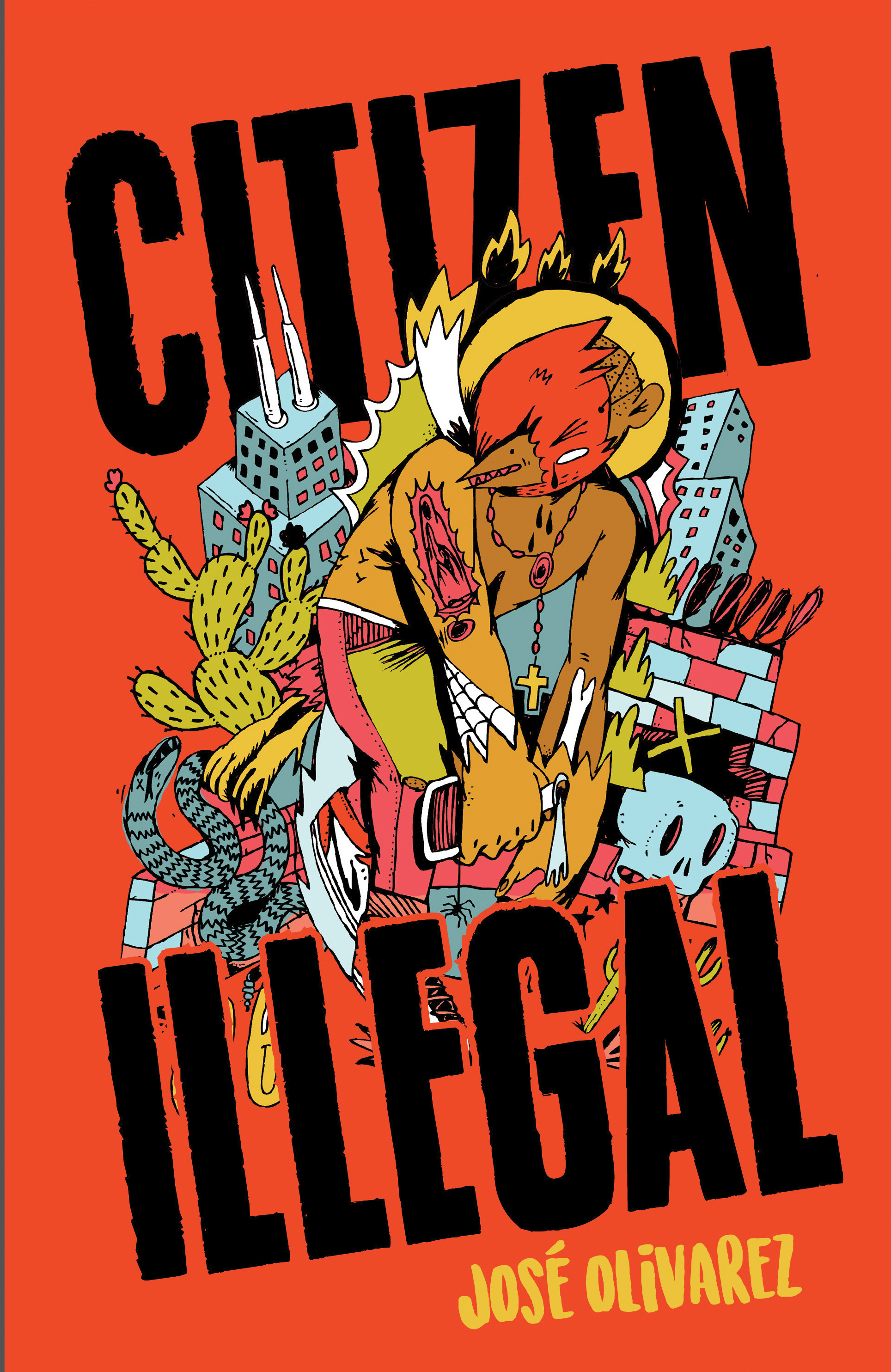
Citizen Illegal
José Olivarez · Haymarket Books
Affinity signal
Hispanic American Poetry
Hispanic & Latino Biography
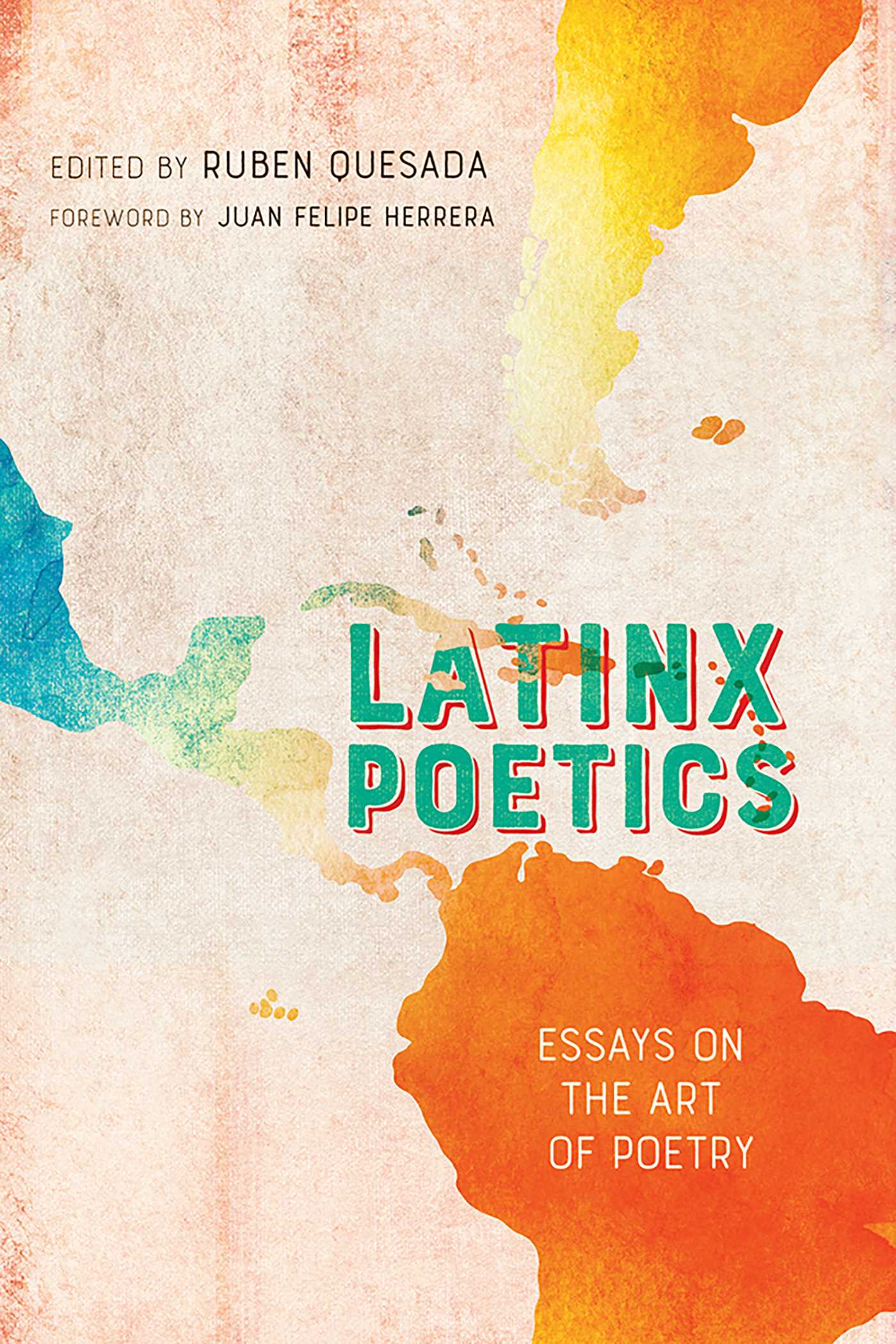
Latinx Poetics
Ruben Quesada · University of New Mexico Press
Affinity signal
Hispanic & Latino Writing
Hispanic American Lit Crit

Every Day We Get More Illegal
Juan Felipe Herrera · City Lights Publishers
Affinity signal
Hispanic American Poetry
Political & Protest Poetry
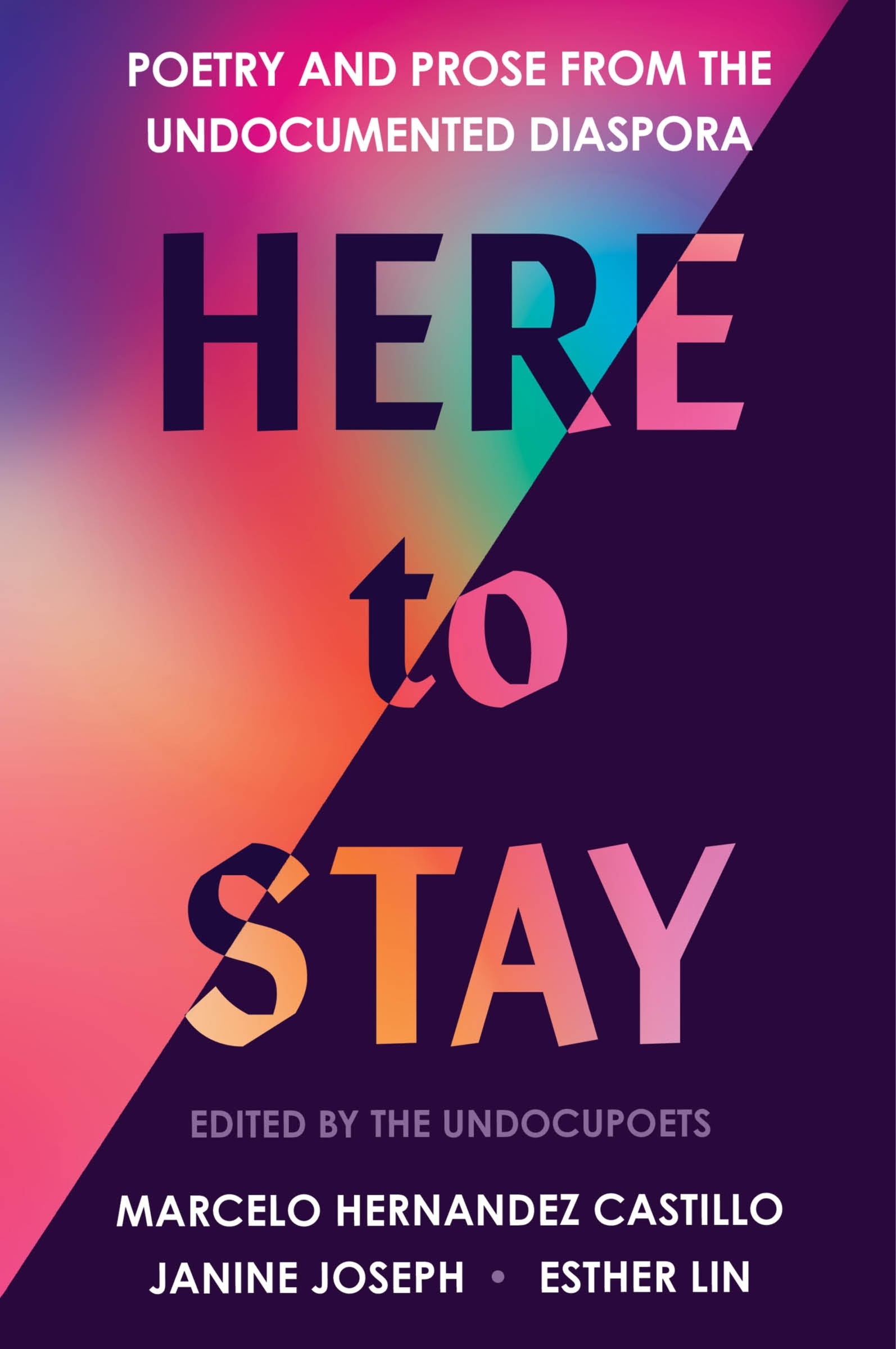
Here to Stay
Marcelo Hernandez Castillo, Janine Joseph · HarperCollins
Affinity signal
Hispanic American Poetry
Political & Protest Poetry

Postcolonial Love Poem
Natalie Diaz · Graywolf
Affinity signal
Hispanic American Poetry
Political & Protest Poetry

Empire
Xochiquetzal Candelaria · The University of Arizona Press
Affinity signal
Hispanic American Poetry
Place Poetry