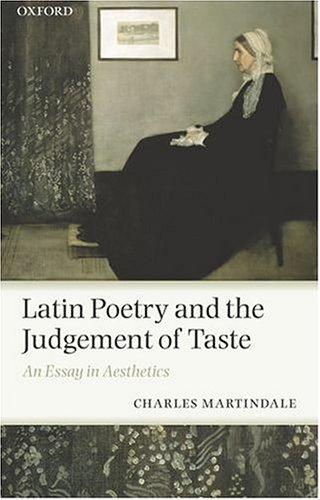
Latin Poetry and the Judgement of Taste
An Essay in Aesthetics
Oxford University Press · Print & ebook · April 7, 2006
This book argues for a new attention to the importance of beauty and the aesthetic in our response to poetry.
We earn from qualifying purchases.
- Who it’s for
- Charles Martindale considers how beauty, taste, and aesthetic criticism shape responses to poetry.
- Genres
- Ancient & Classical Literary Criticism, Aesthetics, Ancient & Classical Poetry
- Published
- Oxford University Press, April 7, 2006
Nearest books
Matched by what the books are about, then ordered by what their readers also loved. Most of these share its genre: Aesthetics.
 Studies in the History of the RenaissanceWalter Pater, Matthew Beaumont60% match
 Aesthetic TheoryTheodor W. Adorno, Robert Hullot-Kentor59% match
 The Literate EyeRachel Teukolsky57% match
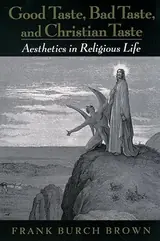 Good Taste, Bad Taste, and Christian TasteFrank Burch Brown57% match
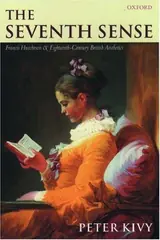 The Seventh SensePeter Kivy57% match
 Aesthetic DilemmasMarlo Burks, Marlo Alexandra Burks56% match
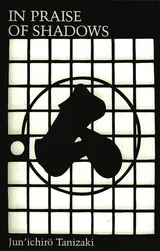 In Praise of ShadowsJunichiro Tanizaki, Jun'ichirō Tanizaki56% match
 The Politics of AestheticsJacques Rancière, Gabriel Rockhill55% match
Start with three books, and this one can be the first.
Members get a new edition every morning: a route out from their books to essays, research and talks, with the reason for each.
Join the waitlistAbout this book
This book argues for a new attention to the importance of beauty and the aesthetic in our response to poetry. Charles Martindale explores ways in which Kant's aesthetic theory, as set out in the Critique of Judgement, remains of fundamental importance for the modern critic. He argues that the Kantian 'judgement of taste' is not formalist, and explores the relationship between the aesthetic and the political in our responses to art.
Continue reading
Finally he urges the value of aesthetic criticism as pioneered by Walter Pater and others. The (mainly Latin) poems discussed are all translated, and the book will be of interest not only to classicists but to anyone interested in aesthetics, aestheticism, poetry, reception, comparative literature, and critical theory.
Taste and Poetry
Charles Martindale considers how beauty, taste, and aesthetic criticism shape responses to poetry.
Come here for
- Kant’s account of taste and its relevance to modern criticism
- The aesthetic and political dimensions of responses to art
Expect
- Translated Latin poems discussed alongside aesthetic theory
- A case for aesthetic criticism in the tradition of Walter Pater
Where it sits
| Aesthetics | 72% |
|---|---|
| Ancient & Classical Literary Criticism | 53% |
| Ancient & Classical Poetry | 37% |
Percentages are BookFrontier’s reading of the book.
Publisher categories
- Ancient & Classical Literary Criticism
- Authors
- Charles Martindale
- Publisher
- Oxford University Press
- Published
- April 7, 2006
- Format
- Print & ebook
- Reading lane
- Ancient & Classical Literary Criticism