
How digital tools reshape knowledge-making across sciences, social sciences, and humanities.
- Themes
- Digital transformation of research, Interdisciplinary collaboration, Data sharing and open science
Research in Digital Mode
Come here for
- Case studies from biomedicine, astronomy, and humanities
- Digital research across disciplines, from physics to literary analysis
Expect
- Questions of data sharing and open science
- Effects on collaboration, publishing choices, and research questions
Where it sits
How strongly BookFrontier reads the book as belonging to each subject.
Nearest books
Matched by our semantic model. Ordered by what its readers also loved.
 Macroanalysis: Digital Methods and Literary HistoryMatthew L. Jockers55% subject match
 PurposePankaj Setia54% subject match
 Reading by NumbersKatherine Bode53% subject match
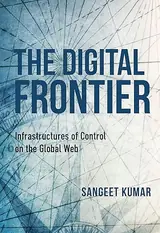 The Digital FrontierSangeet Kumar51% subject match
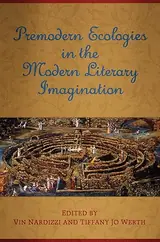 Premodern Ecologies in the Modern Literary ImaginationVin Nardizzi, Tiffany Jo Werth50% subject match
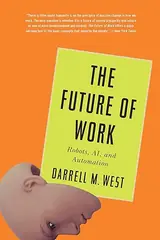 The Future of WorkWest, Darrell M.50% subject match
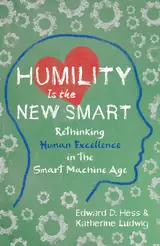 Humility Is the New SmartEdward D. Hess, Katherine Ludwig50% subject match
 The Human Use of Human BeingsNorbert Wiener50% subject matchShares Tech & Society
For younger readers: The Way Things Work: Newly Revised Edition, What is Artificial Intelligence?, Basher Science Mini: Artificial Intelligence
Start with three books, and this one can be the first.
Members get a new edition every morning: a route out from their books to essays, research and talks, with the reason for each.
Sign upAbout this book
An examination of the ways that digital and networked technologies have fundamentally changed research practices in disciplines from astronomy to literary analysis.
In Knowledge Machines, Eric Meyer and Ralph Schroeder argue that digital technologies have fundamentally changed research practices in the sciences, social sciences, and humanities.
Continue reading
Meyer and Schroeder show that digital tools and data, used collectively and in distributed mode—which they term e-research—have transformed not just the consumption of knowledge but also the production of knowledge. Digital technologies for research are reshaping how knowledge advances in disciplines that range from physics to literary analysis.
Meyer and Schroeder map the rise of digital research and offer case studies from many fields, including biomedicine, social science uses of the Web, astronomy, and large-scale textual analysis in the humanities. They consider such topics as the challenges of sharing research data and of big data approaches, disciplinary differences and new forms of interdisciplinary collaboration, the shifting boundaries between researchers and their publics, and the ways that digital tools promote openness in science.
This book considers the transformations of research from a number of perspectives, drawing especially on the sociology of science and technology and social informatics. It shows that the use of digital tools and data is not just a technical issue; it affects research practices, collaboration models, publishing choices, and even the kinds of research and research questions scholars choose to pursue. Knowledge Machines examines the nature and implications of these transformations for scholarly research.
Publisher details
Publisher categories
- Digital & Online Resources
- Authors
- Eric T. Meyer, Ralph Schroeder
- Publisher
- MIT Press
- Published
- May 9, 2023
- Format
- Print & ebook
- Reading lane
- Digital & Online Resources