
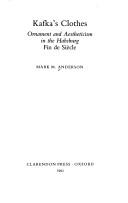
Book
Kafka's Clothes
Ornament and Aestheticism in the Habsburg Fin De Siècle
Mark M. Anderson
Oxford University Press · Print & ebook · April 30, 1999
Reading lane: Literary Criticism
`One should either be a work of art, or wear one' proclaimed Oscar Wilde at the end of the nineteenth century; `I am made of literature, I am nothing else, and cannot be anything else' Franz Kafka proclaimed a brief decade later.
At a Glance
Who It's For
Book Details
- Authors
- Mark M. Anderson
- Publisher
- Oxford University Press
- Published
- April 30, 1999
- Format
- Print & ebook
- Theme
- Literary Criticism
- Reading lane
- Literary Criticism
Affinity
Publisher Categories
Literary Criticism
About This Book
`One should either be a work of art, or wear one' proclaimed Oscar Wilde at the end of the nineteenth century; `I am made of literature, I am nothing else, and cannot be anything else' Franz Kafka proclaimed a brief decade later. Between these two claims lies the largely unexplored region in which the European decadent movement turned into the modernist avant-garde. In this original historical study, Mark Anderson explores Kafka's early dandyism, his interest in fashion, lit...
Read full description
Similar Books

Fashion History From the 18th to the 20th Century
Akiko Fukai, Kyoto Costume Institute · TASCHEN
Affinity signal
Collecting Costumes & Textiles
DESIGN / Fashion & Accessories
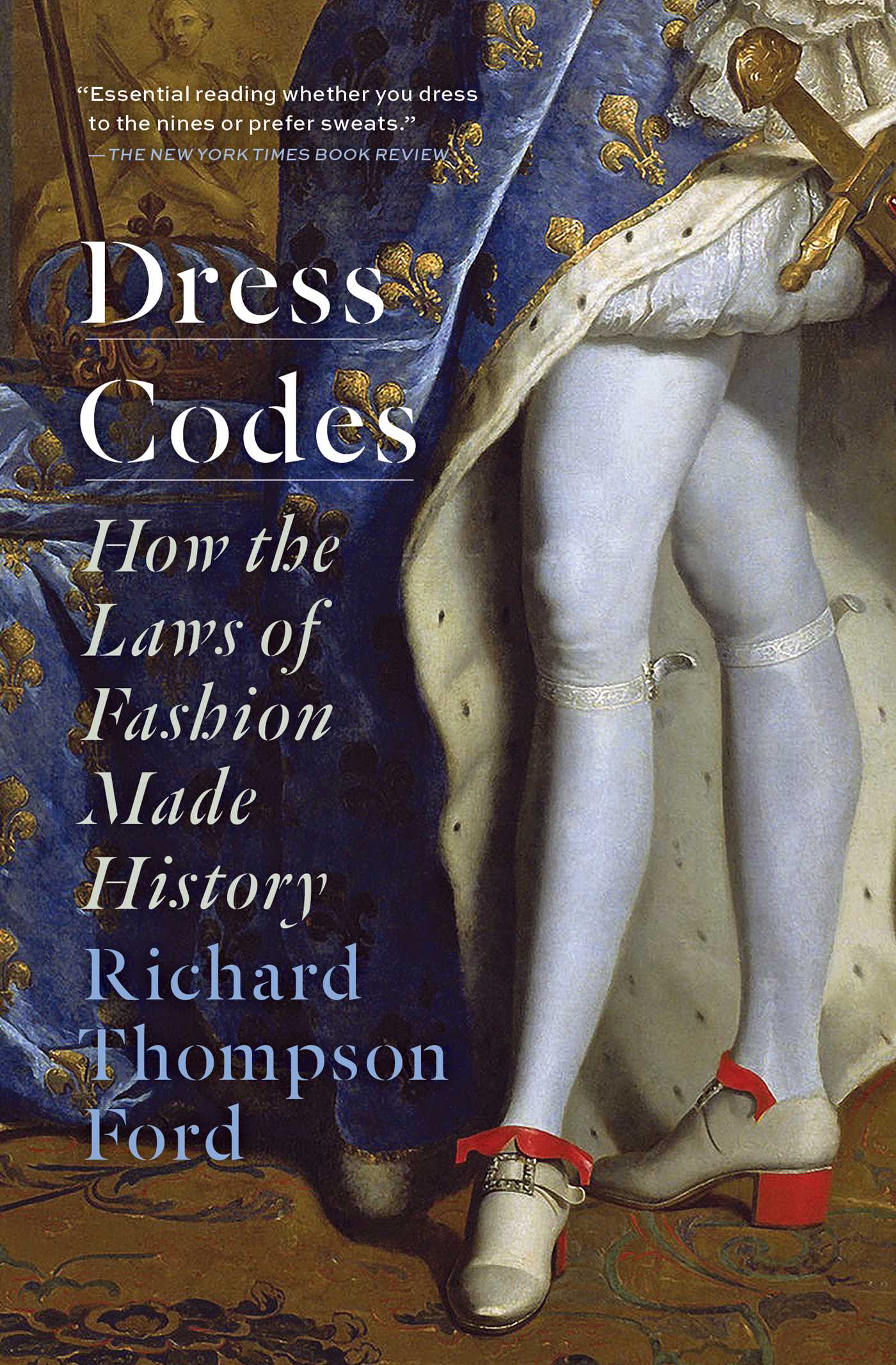
Dress Codes
Richard Thompson Ford · Simon & Schuster
Affinity signal
Customs & Traditions
DESIGN / Fashion & Accessories
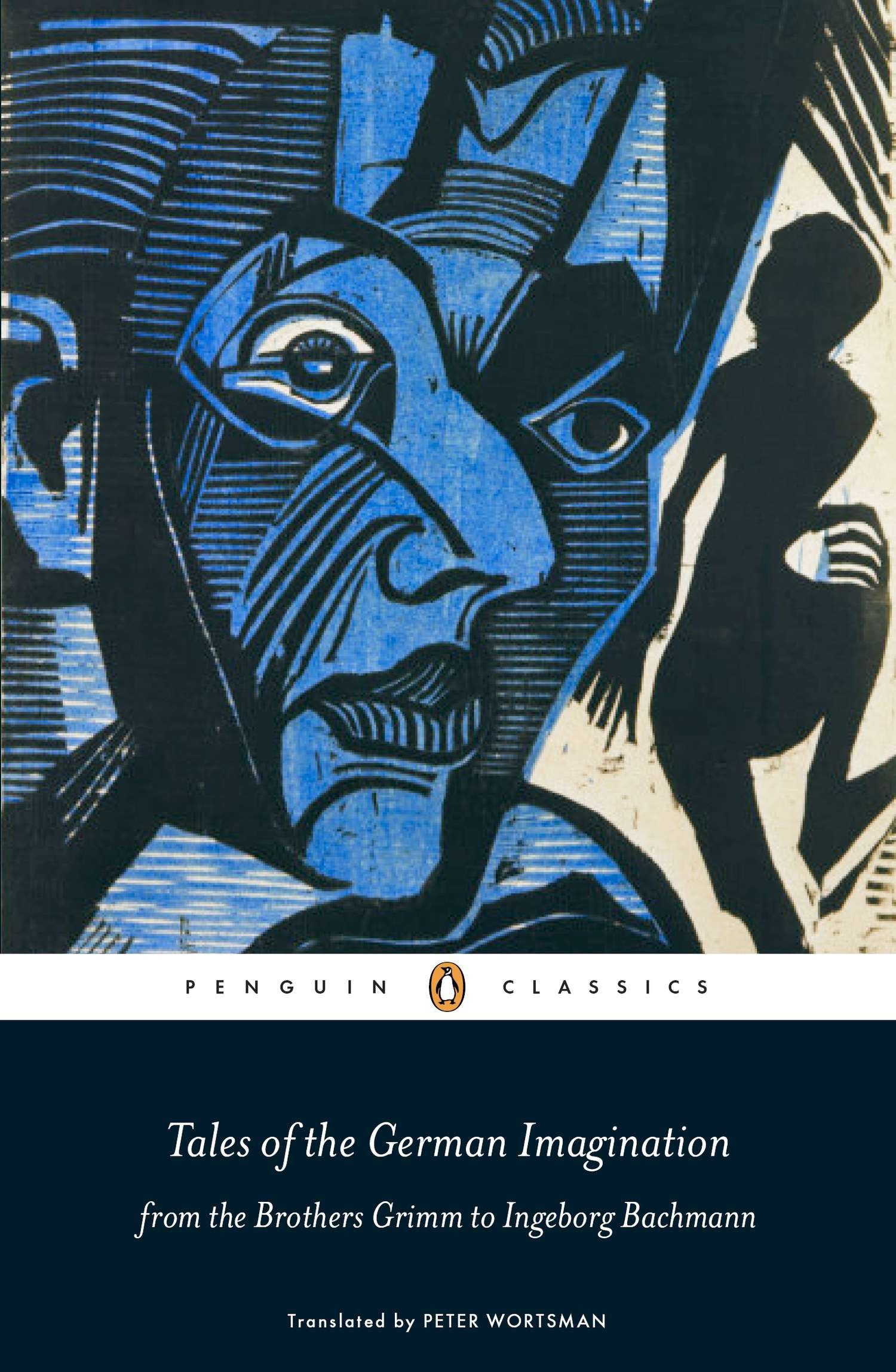
Tales of the German Imagination From the Brothers Grimm to Ingeborg Bachmann
Peter Wortsman · Penguin Publishing Group
Affinity signal
European Collections
Fairy Tales & Myths

The Trial
Franz Kafka, Idris Parry · Penguin Publishing Group
Affinity signal
FICTION / World Literature / Czech Republic
Legal Fiction
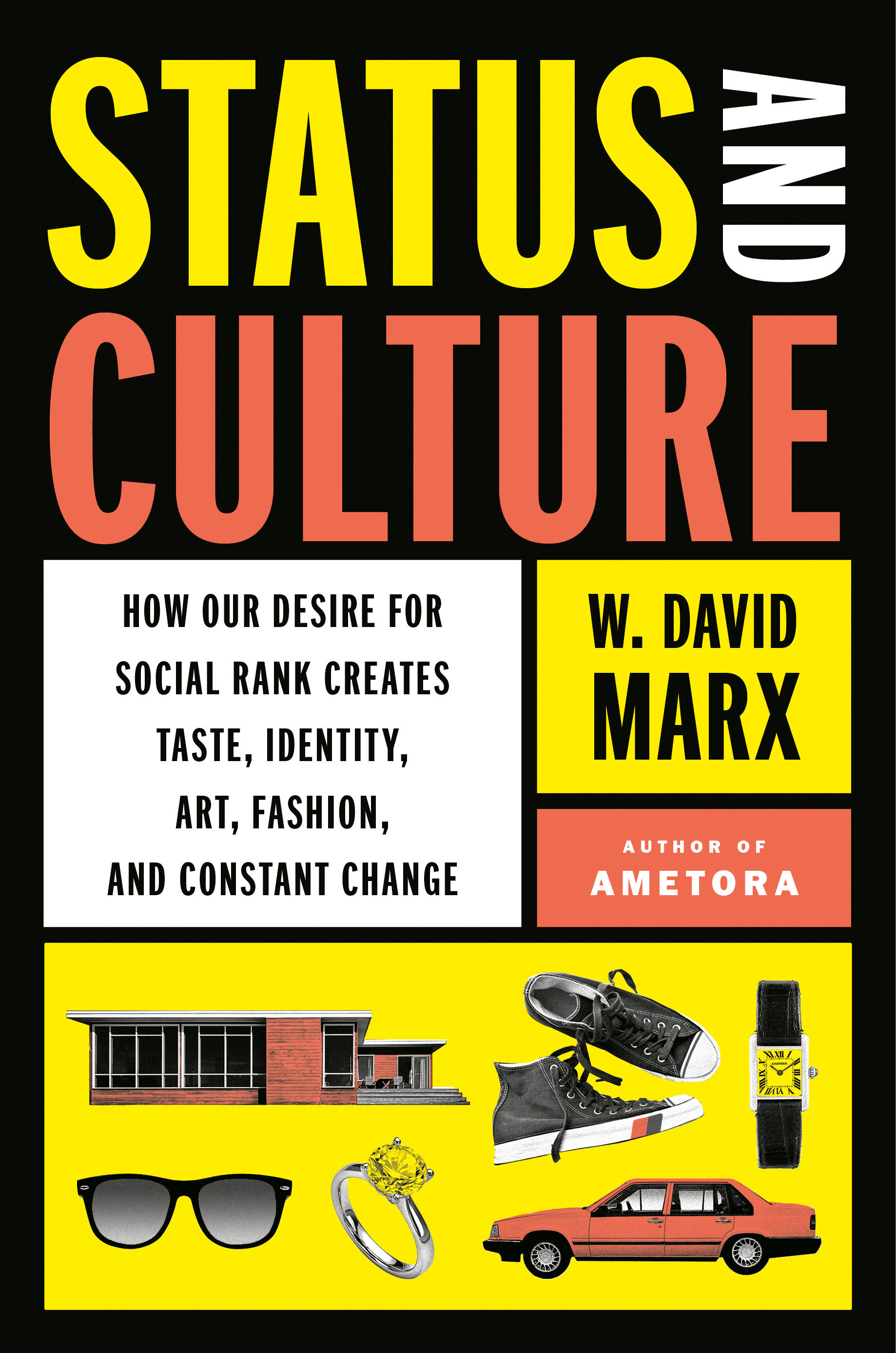
Status and Culture
W. David Marx · Penguin Publishing Group
Affinity signal
Pop Culture Studies
Social History