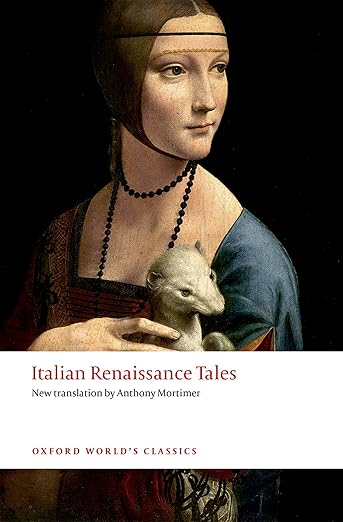
Italian Renaissance Tales
Series: Oxford World's Classics
Thirty-nine Italian novellas trace a form that helped shape European prose fiction.
Italian Novella Tradition
Come here for
- Tales by nineteen authors, many translated for the first time
- Stories that influenced Chaucer, Shakespeare, and other English writers
Expect
- Tales of peasants, craftsmen, friars, lovers, and nobles
- Comic, tragic, ribald, and sentimental subjects
Where it sits
How strongly BookFrontier reads the book as belonging to each subject.
Nearest books
Matched by our semantic model. Ordered by what its readers also loved.
 DecameronGiovanni Boccaccio66% subject matchShares Italian Literary Collections and The Classics
 Italian FolktalesItalo Calvino57% subject matchShares Italian Literary Collections
 The Penguin Book of Italian Short StoriesJhumpa Lahiri56% subject matchShares Italian Literary Collections and Italian Fiction
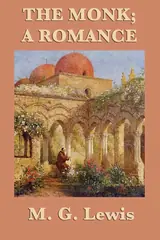 The MonkM. G. Lewis55% subject matchShares The Classics
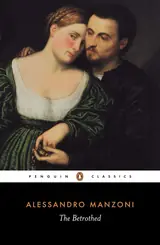 The BetrothedAlessandro Manzoni55% subject matchShares Italian Fiction and The Classics
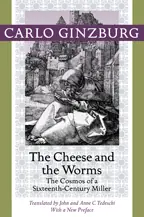 The Cheese and the WormsCarlo Ginzburg54% subject match
For younger readers: Canterbury Tales, Daughter of Venice, Prince of Shadows
Start with three books, and this one can be the first.
Members get a new edition every morning: a route out from their books to essays, research and talks, with the reason for each.
Sign upAbout this book
"Thus she was decapitated, and this was the end to which she was brought by her unbridled lusts." For over two centuries after Boccaccio's groundbreaking Decameron, the Italian novella exercised a crucial influence over European prose fiction. With thirty-nine stories by nineteen authors, many translated for the first time, this anthology presents tales from the whole genre and period.
Continue reading
Here we meet a rich cast of humble peasants and shrewd craftsmen, frustrated wives, libidinous friars, ill-fated lovers, and vengeful nobles. These works had a considerable impact in English, and the selection includes tales that have provided sources for Chaucer, Shakespeare, Webster, Marston, Dryden, Byron and Keats. The typical novella is situated in a precise time and place and features people who either existed historically or are presumed to have done so. The subject-matter, whether ribald or sentimental, comic or tragic, often reflects the social and economic conditions of its age and thus the novella has been seen as a crucial stage in the development of fictional realism and the emergence of the novel
Publisher details
Publisher categories
- Literary Criticism
- Authors
- Anthony Mortimer
- Publisher
- Oxford University Press
- Published
- October 11, 2019
- Format
- Paperback
- Reading lane
- Literary Criticism