
How Books Can Save Democracy
Why It Clicks
Come here for
- book-club ready ideas
- serious, discussion-friendly framing
Expect
- layered but approachable
- more reflection than plot
Where it sits
How strongly BookFrontier reads the book as belonging to each subject.
Nearest books
Matched by our semantic model. Ordered by what its readers also loved.
 How Democracies DieSteven Levitsky, Daniel Ziblatt70% subject matchShares Democracy
 Tyranny of the MinoritySteven Levitsky, Daniel Ziblatt69% subject matchShares Democracy
 The Cradle of CitizenshipJames Traub65% subject matchShares Civics
 Politics Without PoliticiansHélène Landemore63% subject matchShares Democracy and Civics
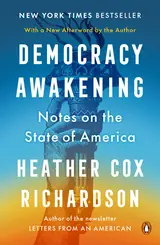 Democracy AwakeningHeather Cox Richardson63% subject matchShares Democracy
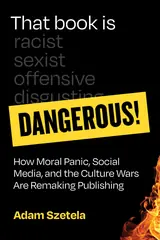 That Book Is Dangerous!Adam Szetela62% subject matchShares Politics in Literature
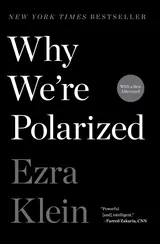 Why We're PolarizedEzra Klein62% subject match
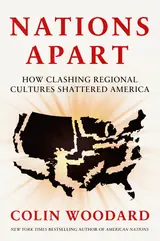 Nations ApartColin Woodard61% subject match
For younger readers: You Call This Democracy?, Big Lies, Fault Lines in the Constitution
Start with three books, and this one can be the first.
Members get a new edition every morning: a route out from their books to essays, research and talks, with the reason for each.
Sign upAbout this book
How Books Can Save Democracy argues that American democracy is in crisis as healthy disagreement has pivoted into negative, winner-take-all contests. Michael Fischer proposes that literature is an essential tool to rekindle the relationships and mutual understanding that functional democracies require.
Continue reading
By participating in reading, writing, and discussions about literature with diverse perspectives—whether in classrooms or book clubs or at public festivals—we can discover how to embrace our differences rather than fear them, enabling the empathy and collaborative spirit needed to sustain a democratic society.
How Books Can Save Democracy illustrates how literature, from classics to contemporary works, fosters nuanced thinking and the ability to find common ground despite our differences. Fischer draws insightful connections and examines how great literature throughout history has diagnosed societal democratic challenges, discussing the works of Zadie Smith, Charles Dickens, Alexis de Tocqueville, Hannah Arendt, Philip Roth, Ezra Klein, Bishop Desmond Tutu, and many others. For anyone concerned about polarization and democratic backsliding, he provides evidence that the reading, writing, and discussion of powerful texts may be our most valuable and overlooked democratic resource.
How Books Can Save Democracy is essential reading for educators, community leaders, and anyone concerned about the future of American democracy. Now more than ever we need works of literature to help us benefit from our differences instead of being threatened by them, and our bookshelves may hold the solution to this pressing civic challenge.
Publisher details
Publisher categories
- Political Philosophy
- Civics
- Democracy
- Authors
- Michael Fischer
- Publisher
- Trinity University Press
- Published
- September 19, 2025
- Format
- Print & ebook
- Reading lane
- Political Philosophy