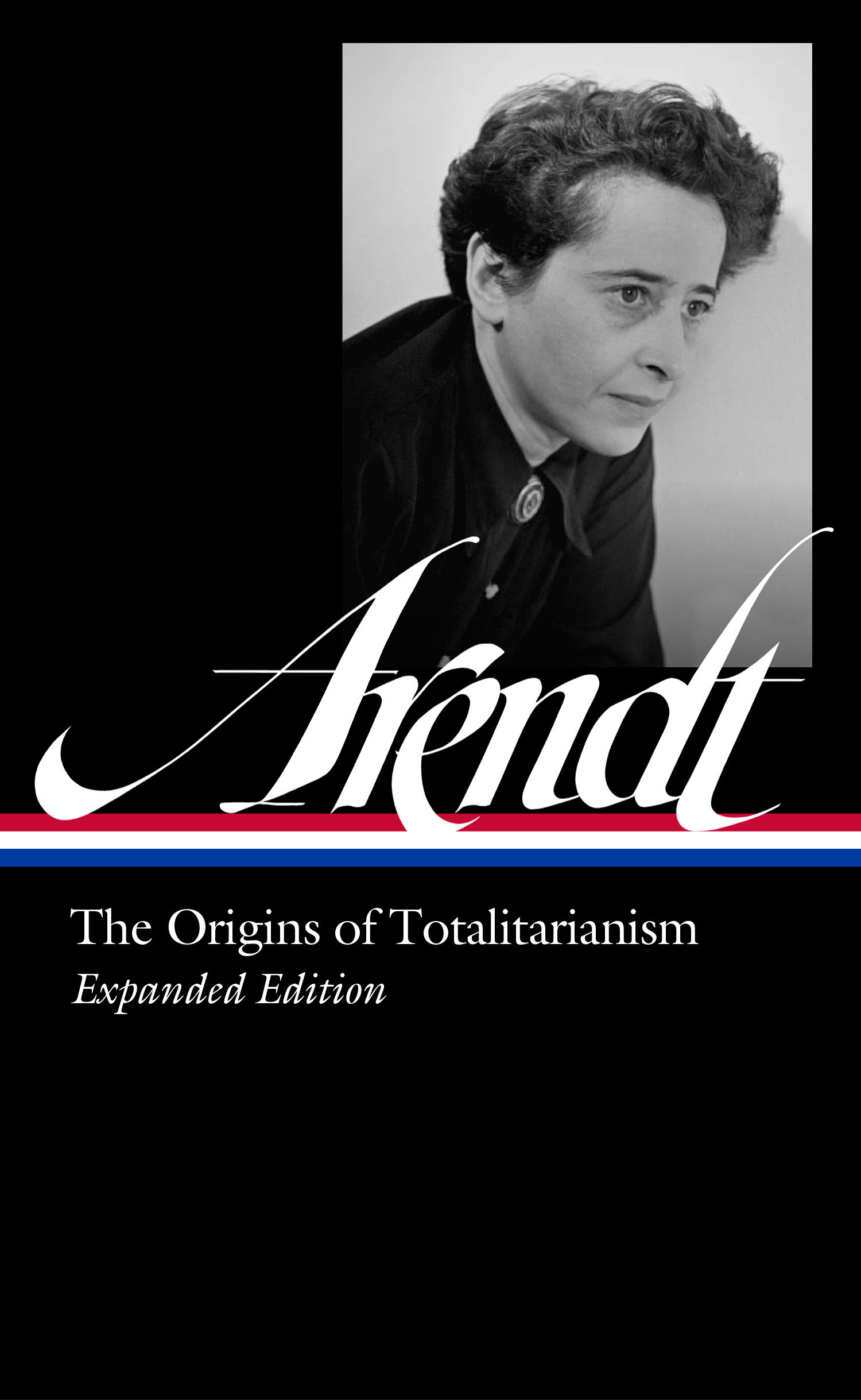
Hannah Arendt: The Origins of Totalitarianism Expanded Edition
For when you want political thought that stays sharp, dense, and uncomfortably relevant.
Political Clarity
Come here for
- Arendt’s political clarity, without the fluff
- A layered entry into twentieth-century upheaval
Expect
- History-conscious argument
- Serious classroom-friendly reading
Where it sits
How strongly BookFrontier reads the book as belonging to each subject.
Nearest books
Matched by our semantic model. Ordered by what its readers also loved.
 The Road to UnfreedomTimothy Snyder58% subject matchShares Fascism & Totalitarianism
 The Wretched of the EarthFrantz Fanon52% subject match
 On ViolenceHannah Arendt70% subject matchShares Political Philosophy
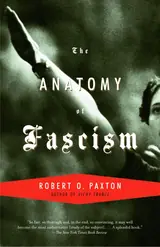 The Anatomy of FascismRobert O. Paxton62% subject matchShares Fascism & Totalitarianism
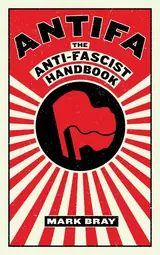 AntifaMark Bray57% subject matchShares Fascism & Totalitarianism
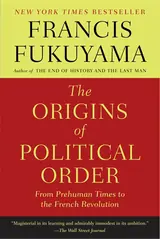 The Origins of Political OrderFrancis Fukuyama58% subject match
For younger readers: Questions I Am Asked About The Holocaust, Man's Search for Meaning: Young Adult Edition, Journey to America
Start with three books, and this one can be the first.
Members get a new edition every morning: a route out from their books to essays, research and talks, with the reason for each.
Sign upAbout this book
A deluxe expanded edition of the masterpiece of political philosophy that transformed how the world thinks about fascism and authoritarianism
Includes two fascinating chapters that were later cut and are available in no other edition
In 1951, a monumental book by a relatively unknown German-Jewish émigré addressed the terrifying new mode of political organization underlying the twin horrors of Stalinism and Nazism.
Continue reading
Herself a refugee from Nazi persecution, Hannah Arendt sought, from her exile in New York City, to answer the unfathomable questions raised by the Soviet gulag and the Holocaust: How could there be such barbarism in the midst of civilization? How had governments exerted such absolute control over citizens, terrorizing them and enlisting them to commit atrocities on their behalf?
Arendt’s historical and cultural analyses extend to a thorough examination of nineteenth-century antisemitism in Europe, including a trenchant account of the Dreyfus Affair in France and brilliant insights into imperialism, racism, and their role in totalitarianism’s rise in the 1920s and 1930s. Arendt contends that totalitarianism, as a political system, is now embedded in contemporary life and is, as she would later remark, “the central event of our world.”
Her clear-eyed warning that totalitarianism is not merely a historical episode but is rather a permanent feature of modernity and beyond—a danger never to be fully eradicated, and a continual temptation for anti-democratic demagogues—makes Arendt, a half-century after her death, a preeminent thinker and political philosopher for the twenty-first century.
The Library of America edition of this indispensable and influential work, based on the final version she revised in her lifetime, also restores to print Arendt’s “Concluding Remarks” to the 1951 first American edition and a chapter on the Soviet suppression of the Hungarian revolt of 1956, both of which were cut from later editions. The first annotated edition of Origins, the volume contains concise and thorough glosses on Arendt’s many historical and cultural references, and its Chronology provides a detailed portrait of her remarkable life.
Publisher details
Publisher categories
- 20th-Century History
- Political Philosophy
- Fascism & Totalitarianism
- Authors
- Hannah Arendt, Jerome Kohn, Thomas Wild
- Publisher
- Library of America
- Published
- April 22, 2025
- Format
- Print & ebook
- Reading lane
- 20th-Century History