
Cognitive Therapy and the Emotional Disorders
A clear guide to how mistaken assumptions shape emotional distress—and how cognitive therapy addresses them.
- Themes
- Cognitive therapy, Emotional disorders, Automatic thoughts
Thoughts in Focus
Come here for
- A close look at automatic thoughts and hidden messages
- An account of cognitive therapy’s theory and practice
Expect
- Attention to sadness, anger, anxiety, phobias, and depression
- A practical lens on thinking and emotional difficulty
Where it sits
- 100%CBT
- 27%Emotions
- 23%Stress & Anxiety
How strongly BookFrontier reads the book as belonging to each subject.
Nearest books
Matched by our semantic model. Ordered by what its readers also loved.
 The Ego and the IdSigmund Freud54% subject match
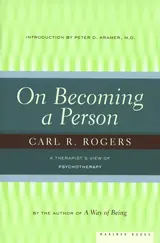 On Becoming A PersonCarl Rogers64% subject match
 The Art of Thinking ClearlyRolf Dobelli59% subject match
 Mind FixersAnne Harrington57% subject match
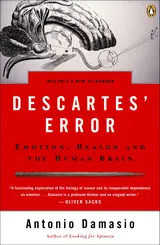 Descartes' ErrorAntonio Damasio56% subject matchShares Emotions
 The Divided SelfR. D. Laing55% subject match
 Psycho-CyberneticsMaxwell Maltz56% subject match
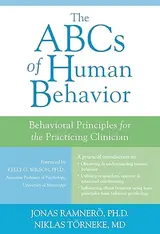 The ABCs of Human BehaviorJonas Ramnero, Niklas Törneke66% subject matchShares CBT
For younger readers: Anxiety Relief for Teens, Where to Start, The Book of Knowing
Start with three books, and this one can be the first.
Members get a new edition every morning: a route out from their books to essays, research and talks, with the reason for each.
Sign upAbout this book
Is the emotionally disturbed person a victim of forces beyond his awareness, over which he has no control? This is the belief on which neuropsychiatry, psychoanalysis, and behavior therapy are all based. But what if this premise is wrong? What if a person’s psychological difficulties stem from his own erroneous assumptions and faulty concepts of himself and the world?
Continue reading
Such a person can be helped to recognize and correct distortions in thinking that cause his emotional disturbance.
Now one of the founders of cognitive therapy has written a clear, comprehensive guide to its theory and practice, highlighting such important concepts as:
· Learning the meaning of hidden messages
· Listening to your automatic thoughts
· The role of sadness, anger, and anxiety
· Understanding and overcoming phobias and depression
· Applying the cognitive system of therapy to specific problems
“A book by a significant contributor to our knowledge… immensely readable, logical, and coherent… This is Beck at his best.”—Psychiatry
Publisher details
Publisher categories
- How We Think & Learn
- Mental Health
- Behavioral Psychology
- Authors
- Aaron T. Beck
- Publisher
- Penguin Publishing Group
- Published
- October 1, 1979
- Format
- Print & ebook
- Reading lane
- How We Think & Learn