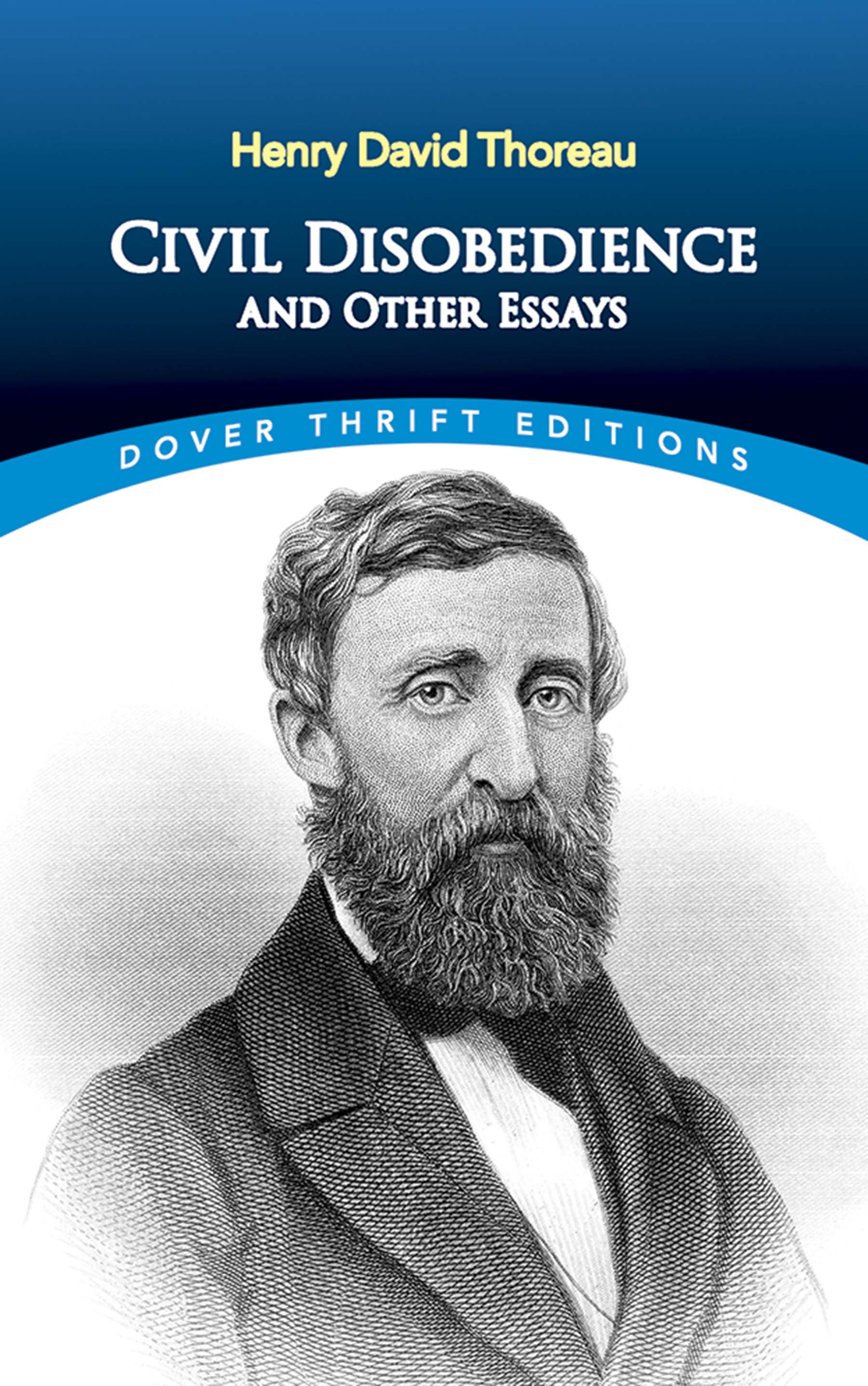
Civil Disobedience and Other Essays
Thoreau moves between political dissent, self-reliance, abolition, and the pleasures of walking.
- Themes
- Conscience and civil law, Self-reliance and individualism, Abolition and conservation
Conscience and Wildness
Come here for
- Arguments that put conscience above civil law
- A conservation-minded celebration of walking
Expect
- Five essays spanning politics and the natural world
- Forceful prose alongside reflection on wild places
Where it sits
How strongly BookFrontier reads the book as belonging to each subject.
Nearest books
Matched by our semantic model. Ordered by what its readers also loved.
 Lessons from "Walden"Bob Pepperman Taylor73% subject matchShares Transcendentalism
 A Week on the Concord and Merrimack RiversHenry David Thoreau56% subject matchShares Transcendentalism
 On the Duty of Civil DisobedienceHenry David Thoreau72% subject matchShares Political Writing and Civil Rights
 EssaysMichel de Montaigne49% subject match
 On LibertyJohn Stuart Mill54% subject match
 Open SocratesAgnes Callard51% subject match
 The PathMichael Puett, Christine Gross-Loh49% subject match
 Basic WritingsMartin Heidegger49% subject match
Start with three books, and this one can be the first.
Members get a new edition every morning: a route out from their books to essays, research and talks, with the reason for each.
Sign upAbout this book
Philosopher, naturalist, poet and rugged individualist, Henry David Thoreau (1817–1862) has inspired generations of readers to think for themselves, to follow the dictates of their own conscience and to make an art of their lives. This representative sampling of his thought includes five of his most frequently cited and read essays: "Civil Disobedience," his most powerful and influential political essay, exalts the law of conscience over civil law.
Continue reading
"Life without Principle" distills the essence of Thoreau's philosophy of self-reliance and individualism. "Slavery in Massachusetts" is a searing attack on government condonation of slavery. "A Plea for Captain John Brown" is an eloquent defense of the radical abolitionist, while "Walking" celebrates the joys of that activity and pleads for conservation of the earth's wild places. The latter essay is recognized as one of the pioneer documents in the conservation and national park movement in America.
Publisher details
Publisher categories
- Ecology
- Political Philosophy
- Philosophy Writing
- Transcendentalism
Show all 5 publisher categories
- Civil Rights
- Authors
- Henry David Thoreau
- Publisher
- Dover Publications
- Published
- May 20, 1993
- Format
- Print & ebook
- Reading lane
- Ecology