

Book
Camp TV
Trans Gender Queer Sitcom History
Quinlan Miller
Duke University Press · Print & ebook · May 6, 2019
Reading lane: Television History & Criticism
Sitcoms of the 1950s and 1960s are widely considered conformist in their depictions of gender roles and sexual attitudes.
At a Glance
Who It's For
Book Details
- Authors
- Quinlan Miller
- Publisher
- Duke University Press
- Published
- May 6, 2019
- Format
- Print & ebook
- Theme
- Television History & Criticism · TV Resources
- Reading lane
- Television History & Criticism
Affinity
Publisher Categories
Television History & Criticism
Gender Studies
Transgender Studies
About This Book
Sitcoms of the 1950s and 1960s are widely considered conformist in their depictions of gender roles and sexual attitudes. In Camp TV Quinlan Miller offers a new account of the history of American television that explains what campy meant in practical sitcom terms in shows as iconic as The Dick Van Dyke Show as well as in more obscure fare, such as The Ugliest Girl in Town . Situating his analysis within the era's shifts in the television industry and the coalescence of strai...
Read full description
Similar Books

Writing Television Sitcoms
Evan S. Smith · Penguin Publishing Group
Affinity signal
Writing for TV
Television History & Criticism

If Memory Serves
Christopher Castiglia, Christopher Reed · University of Minnesota Press
Affinity signal
HIV & AIDS
Queer Literary Criticism
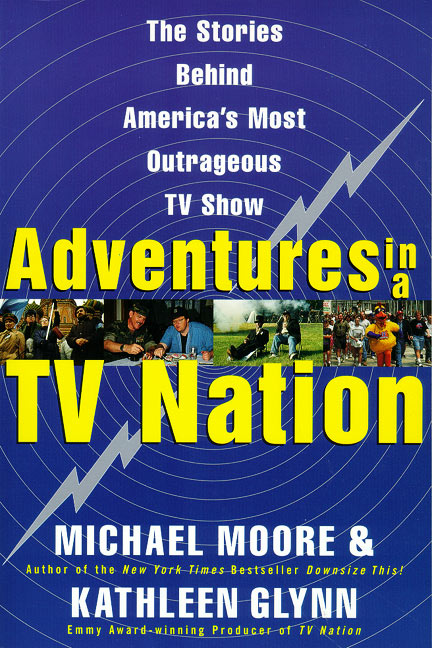
Adventures in a TV Nation
Michael Moore, Kathleen Glynn · HarperCollins
Affinity signal
Television History & Criticism
Comedy Films

Difficult Men
Brett Martin · Penguin Publishing Group
Affinity signal
Television History & Criticism
TV Production
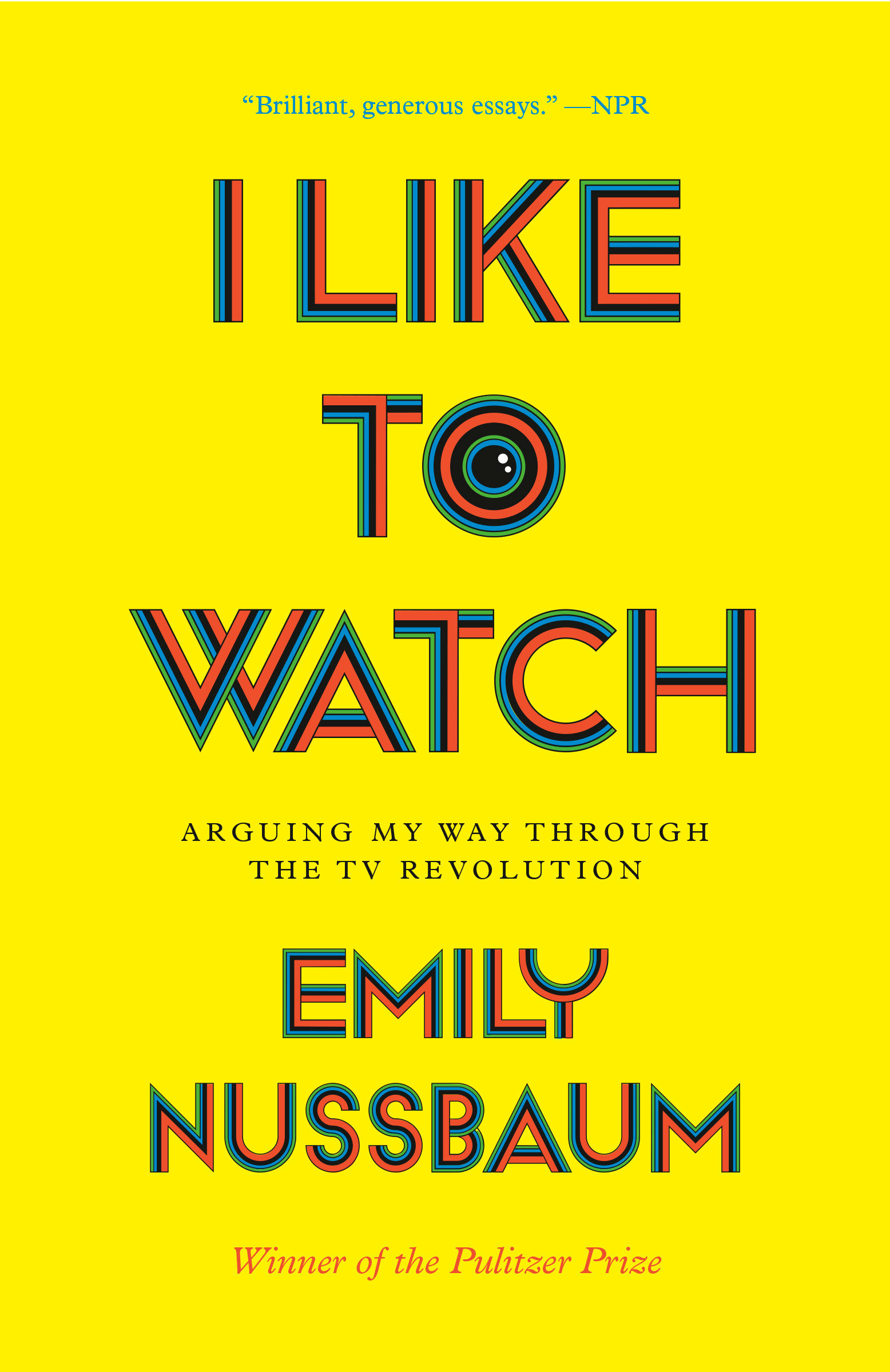
I Like to Watch
Emily Nussbaum · Random House Publishing Group
Affinity signal
Television History & Criticism
TV Production

Stream This Next
Liane Bonin Starr · Rizzoli
Affinity signal
Television History & Criticism
TV Guides

The Transformative Potential of LGBTQ+ Children's Picture Books
Jennifer Miller · University Press of Mississippi
Affinity signal
LGBTQ+ Issues
Queer Literary Criticism

Welcome to Camp Snoopy
Charles M. Schulz · Simon Spotlight
Affinity signal
Camping & Outdoor Adventures
Cartoons & Strips