
Broadcasting Freedom
Radio, War, and the Politics of Race, 1938-1948
Series: The John Hope Franklin Series in African American History and Culture
How activists and artists used wartime radio to contest racial injustice.
Radio and Racial Politics
Come here for
- African American efforts to use radio in debates about racial inequality
- Public-affairs programs about African Americans and race relations
Expect
- Radio’s role in challenging segregation and discrimination
- The 1940s campaigns for racial justice as precursors to later civil-rights campaigns
Where it sits
How strongly BookFrontier reads the book as belonging to each subject.
Nearest books
Matched by our semantic model. Ordered by what its readers also loved.
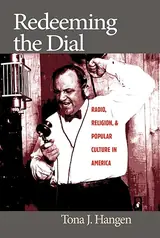 Redeeming the DialTona J. Hangen62% subject matchShares Radio History and How Media Works
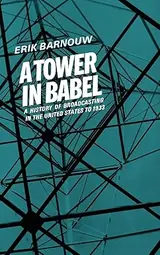 A History of Broadcasting in the United States: Volume 1: A Tower of Babel. To 1933Erik Barnouw56% subject matchShares Radio History
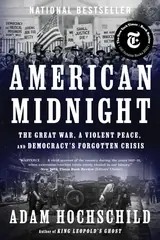 American MidnightAdam Hochschild56% subject match
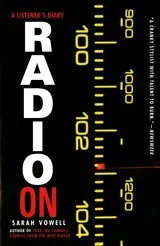 Radio OnSarah Vowell55% subject matchShares How Media Works
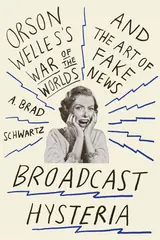 Broadcast HysteriaA. Brad Schwartz55% subject matchShares Radio History and How Media Works
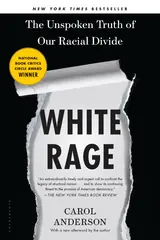 White RageCarol Anderson54% subject matchShares Black History
For younger readers: Stolen Justice: The Struggle for African American Voting Rights, Freedom's Children, Spooked!
Start with three books, and this one can be the first.
Members get a new edition every morning: a route out from their books to essays, research and talks, with the reason for each.
Sign upAbout this book
The World War II era represented the golden age of radio as a broadcast medium in the United States; it also witnessed a rise in African American activism against racial segregation and discrimination, especially as they were practiced by the federal government itself.
Continue reading
In Broadcasting Freedom, Barbara Savage links these cultural and political forces by showing how African American activists, public officials, intellectuals, and artists sought to access and use radio to influence a national debate about racial inequality.
Drawing on a rich and previously unexamined body of national public affairs programming about African Americans and race relations, Savage uses these radio shows to demonstrate the emergence of a new national discourse about race and ethnicity, racial hatred and injustice, and the contributions of racial and immigrant populations to the development of the United States. These programs, she says, challenged the nation to reconcile its professed egalitarian ideals with its unjust treatment of black Americans and other minorities.
This examination of radio’s treatment of race as a national political issue also provides important evidence that the campaigns for racial justice in the 1940s served as an essential, and still overlooked, precursor to the civil rights campaigns of the 1950s and 1960s, Savage argues. The next battleground would be in the South — and on television.
Publisher details
Publisher categories
- African American Studies
- Authors
- Barbara D. Savage
- Publisher
- The University of North Carolina Press
- Published
- May 31, 1999
- Format
- Print & ebook
- Reading lane
- African American Studies