
Are You Mad at Me?
How to Stop Focusing on What Others Think and Start Living for You
Practical, reassuring guidance for untangling approval-seeking and living a little less on other people’s terms.
- Themes
- people-pleasing, self-acceptance, anxiety
- Pacing
- Reflective
Less Approval, More You
Come here for
- warm, practical guidance
- a toolkit for easing people-pleasing
Expect
- clear self-help framing
- serious, accessible tone
Where it sits
How strongly BookFrontier reads the book as belonging to each subject.
Nearest books
Matched by our semantic model. Ordered by what its readers also loved. Most of these share its genre: Breaking Codependency.
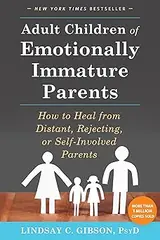 Adult Children of Emotionally Immature ParentsLindsay C. Gibson57% subject match
 People PleaserJinger Duggar Vuolo63% subject matchAlso shares Building Self-Esteem
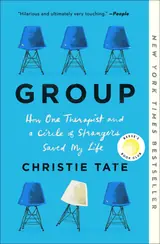 GroupChristie Tate56% subject match
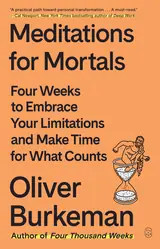 Meditations for MortalsOliver Burkeman56% subject match
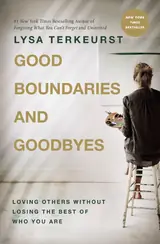 Good Boundaries and GoodbyesLysa TerKeurst56% subject match
 Maybe You Should Talk To SomeoneLori Gottlieb61% subject match
 Set Boundaries, Find PeaceNedra Glover Tawwab66% subject matchAlso shares Relationships
For younger readers: Just As You Are
Start with three books, and this one can be the first.
Members get a new edition every morning: a route out from their books to essays, research and talks, with the reason for each.
Sign upAbout this book
From psychotherapist Meg Josephson, a groundbreaking “cure for chronic people-pleasing” (Adam Grant, #1 New York Times bestselling author) that explores the common survival instinct called fawning and offers “explanations, comfort, and best of all, solutions” (Christie Tate, New York Times bestselling author).
Are you constantly worried about what people think of you—if they like you, if they’re mad at you?
Continue reading
Do you overextend yourself, avoid conflict, or find yourself over-apologizing, only to feel resentful afterward?
In her “instant self-help classic” (Ada Calhoun, New York Times bestselling author), Josephson explores fawning, an instinct learned in childhood to stay safe by becoming more appealing, agreeable, and helpful to perceived threats. Over time, this instinct disconnects us from who we are, what we want, and what we prefer.
With “lucid prose and smart mix of clinical expertise, personal disclosure, and pertinent case studies” (Publishers Weekly), Are You Mad at Me? shows you how to:
- Identify all the roles you might play—from peacekeeper to performer to caretaker to lone wolf to perfectionist to chameleon—that keep you far from yourself.
- Stop fearing your thoughts and emotions, even if they’re unpleasant.
- Rethink conflict and boundaries as an opening for deeper connection.
- Practice “leaning back” in relationships.
- Recognize when people-pleasing is actually necessary (with your chaotic boss) and when it’s not (with your close friends) and stop self-loathing when you slip into old patterns.
- Shift away from the familiar chaos, anxiety, and resentment you’re used to as you move closer to yourself and a life that no longer depletes you—but brings you joy.
Josephson offers a path out of people-pleasing—transforming your relationships so you can stop focusing on what others think and start honoring your own needs. No more wondering: Are you mad at me?
Publisher details
Publisher categories
- Social Scientists' Lives
- Trauma Psychology
- The Pursuit of Happiness
- Authors
- Meg Josephson
- Publisher
- Gallery Books
- Published
- Forthcoming
- Format
- Print & ebook
- Reading lane
- Social Scientists' Lives