

Book
Jhumpa Lahiri's Works in Transition
Towards a New Space
Auritra Munshi, Debjani Sengupta
ibidem Press · Print & ebook · March 26, 2024
Reading lane: Indic Literary Criticism
Critical discussions on Jhumpa Lahiri’s works are rampant, but they are confined to her short stories and fictional writings.
Disclosure: Some outbound links are affiliate links. If you buy through them, we may earn a commission. It doesn't affect which books we include. Learn more in our disclosure policy.
At a Glance
Who It's For
Book Details
- Authors
- Auritra Munshi, Debjani Sengupta
- Publisher
- ibidem Press
- Published
- March 26, 2024
- Format
- Print & ebook
- Theme
- Indic Literary Criticism
- Reading lane
- Indic Literary Criticism
Affinity
Publisher Categories
Indic Literary Criticism
About This Book
Critical discussions on Jhumpa Lahiri’s works are rampant, but they are confined to her short stories and fictional writings. This book offers a fresh perspective by showing how she gradually shifts her identity from a fiction writer to a non-fiction writer. And, more importantly, her adherence to the ‘Italian phase’ in academia has not previously been the subject of such a thorough critical investigation. There is a sudden change in her writing and her choice of language; s...
Read full description
Similar Books

"the Female Marine" and Related Works
Daniel A. Cohen · University of Massachusetts Press
Shared affinity
Indic Literary Criticism
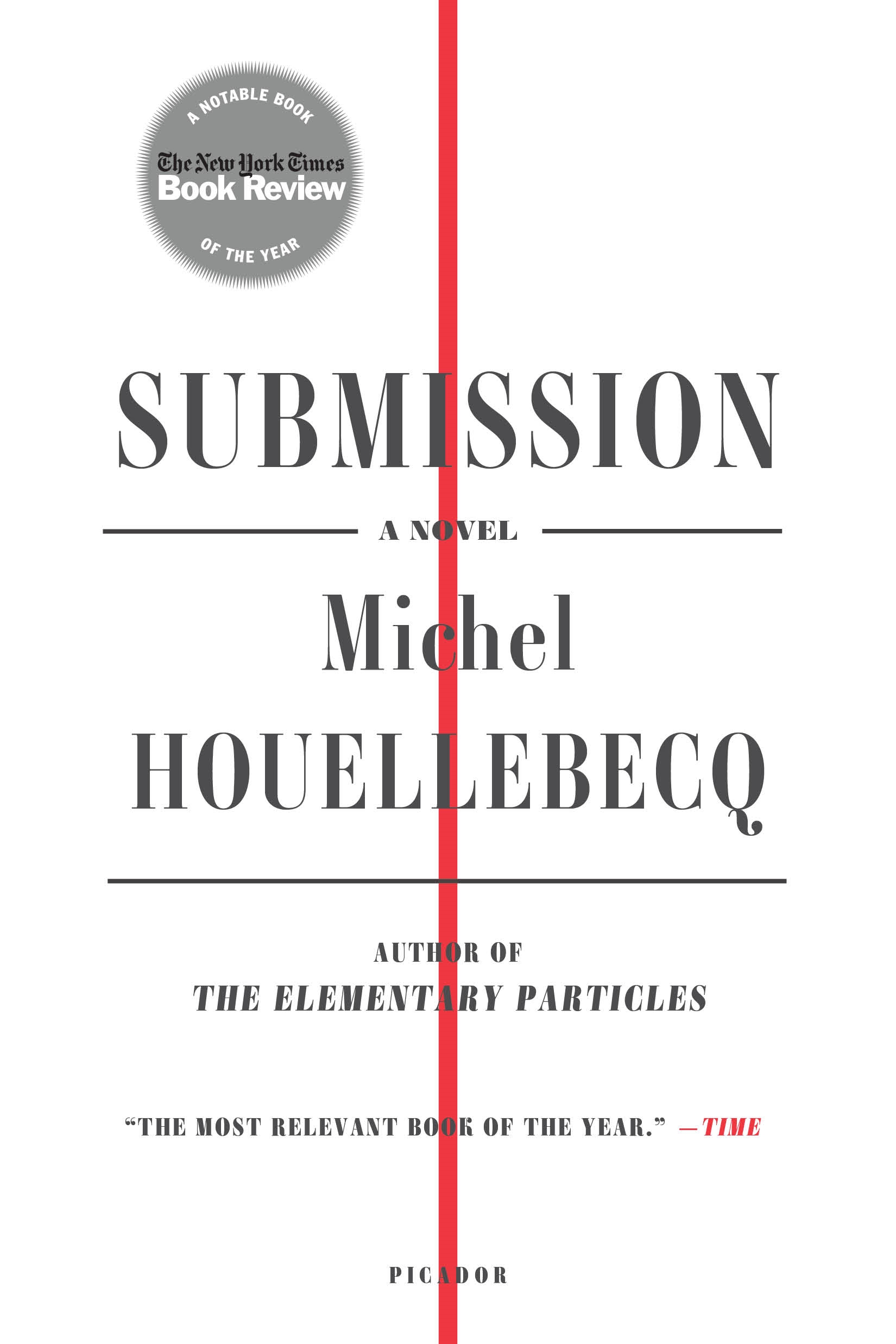
Submission
Michel Houellebecq, Lorin Stein · Picador
Shared affinity
Indic Literary Criticism

The Age of Innocence
Edith Wharton, Judith P. Saunders · Penguin Publishing Group
Shared affinity
Indic Literary Criticism

Roadside Picnic
Arkady Strugatsky, Boris Strugatsky · Chicago Review Press
Shared affinity
Indic Literary Criticism

Reacher
Lee Child, Jeff Harding · The Mysterious Press
Shared affinity
Indic Literary Criticism