
Lost Time
Lectures on Proust in a Soviet Prison Camp
New York Review Books · Print & ebook · November 6, 2018
The first translation of painter and writer Józef Czapski's inspiring lectures on Proust, first delivered in a prison camp in the Soviet Union during World War II.
We earn from qualifying purchases.
- Who it’s for
- Czapski’s lectures bring Proust’s intricate world into focus under extraordinary circumstances.
- Genres
- East European Literary Criticism, 20th-Century Literary Criticism, French Literary Criticism
- Published
- New York Review Books, November 6, 2018
Nearest books
Matched by what the books are about, then ordered by what their readers also loved.
 The PrisonerMarcel Proust, Christopher Prendergast65% match
 Swann's WayMarcel Proust52% match
 The Drowned and the SavedPrimo Levi47% match
 The Gulag ArchipelagoAleksandr Solzhenitsyn, Thomas P. Whitney52% match
 The TrialFranz Kafka, Idris Parry52% match
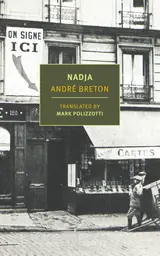 NadjaAndré Breton, Mark Polizzotti49% match
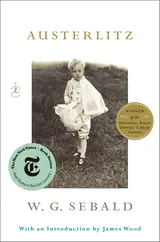 AusterlitzW.G. Sebald, James Wood52% match
For younger readers: The Librarian of Auschwitz, Prisoner B-3087, The Harmonica
Start with three books, and this one can be the first.
Members get a new edition every morning: a route out from their books to essays, research and talks, with the reason for each.
Join the waitlistAbout this book
The first translation of painter and writer Józef Czapski's inspiring lectures on Proust, first delivered in a prison camp in the Soviet Union during World War II. During the Second World War, as a prisoner of war in a Soviet camp, and with nothing but memory to go on, the Polish artist and soldier Józef Czapski brought Marcel Proust’s In Search of Lost Time to life for an audience of prison inmates.
Continue reading
In a series of lectures, Czapski described the arc and import of Proust’s masterpiece, sketched major and minor characters in striking detail, and movingly evoked the work’s originality, depth, and beauty. Eric Karpeles has translated this brilliant and altogether unparalleled feat of the critical imagination into English for the first time, and in a thoughtful introduction he brings out how, in reckoning with Proust’s great meditation on memory, Czapski helped his fellow officers to remember that there was a world apart from the world of the camp. Proust had staked the art of the novelist against the losses of a lifetime and the imminence of death. Recalling that triumphant wager, unfolding, like Sheherazade, the intricacies of Proust’s world night after night, Czapski showed to men at the end of their tether that the past remained present and there was a future in which to hope.
Proust Remembered
Czapski’s lectures bring Proust’s intricate world into focus under extraordinary circumstances.
Come here for
- Literary criticism shaped by close attention to Proust and memory
Expect
- Proust’s characters and ideas brought vividly into view from memory
- A meditation on literature, loss, and the persistence of hope
Where it sits
| East European Literary Criticism | 34% |
|---|---|
| French Literary Criticism | 26% |
| 20th-Century Literary Criticism | 25% |
Percentages are BookFrontier’s reading of the book.
Publisher categories
- Speeches Collection
- French Literary Criticism
- Literature & History
- Authors
- Jozef Czapski, Eric Karpeles, Józef Czapski
- Publisher
- New York Review Books
- Published
- November 6, 2018
- Format
- Print & ebook
- Reading lane
- Speeches Collection