
Book
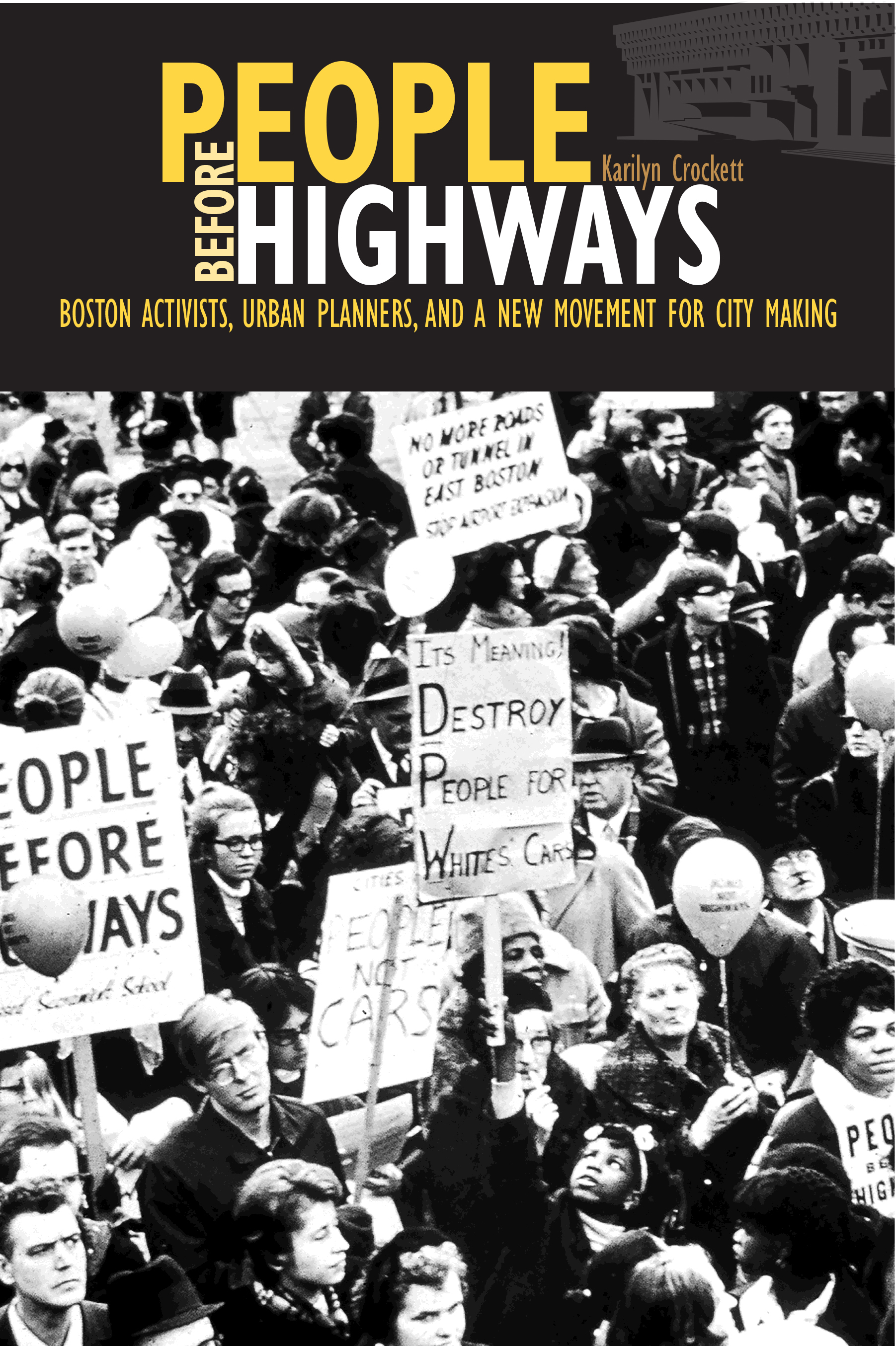
People Before Highways
Boston Activists, Urban Planners, and a New Movement for City Making
Karilyn Crockett
University of Massachusetts Press · Print & ebook · February 2, 2018
Reading lane: Urban Life
A landmark fight for urban justice that changed whose voices shape our cities In 1948, inspired by changes to federal law, Massachusetts government officials started hatching a plan to build multiple highways circling and cutting through the heart of Boston, making steady progress through the 1950s.
At a Glance
Who It's For
Book Details
- Authors
- Karilyn Crockett
- Publisher
- University of Massachusetts Press
- Published
- February 2, 2018
- Format
- Print & ebook
- Theme
- Urban Life · Local Government
- Reading lane
- Urban Life
Affinity
Publisher Categories
American Lit Crit
About This Book
A landmark fight for urban justice that changed whose voices shape our cities In 1948, inspired by changes to federal law, Massachusetts government officials started hatching a plan to build multiple highways circling and cutting through the heart of Boston, making steady progress through the 1950s. But when officials began to hold public hearings in 1960, as it became clear what this plan would entail—including a disproportionate impact on poor communities of color—the peop...
Read full description
Similar Books

City Limits
Megan Kimble · Crown
Affinity signal
Urban Life
Transport Engineering
Roadways for People
Lynn Peterson, Elizabeth Doerr · Island Press
Affinity signal
Transport Engineering
Highway & Traffic Engineering
Inclusive Transportation
Veronica Davis, tamika l. butler · Island Press
Affinity signal
Transport Engineering
Urban Life
The Death and Life of Great American Cities
Jane Jacobs · Knopf Doubleday Publishing Group
Affinity signal
Urban Life
Middle Atlantic History

The Fight to Save the Town
Michelle Wilde Anderson · Avid Reader Press / Simon & Schuster
Affinity signal
Local Government
Urban Life

Freedom to Move
Alan Cunningham · Purdue University Press
Affinity signal
Transport Engineering
Urban Life
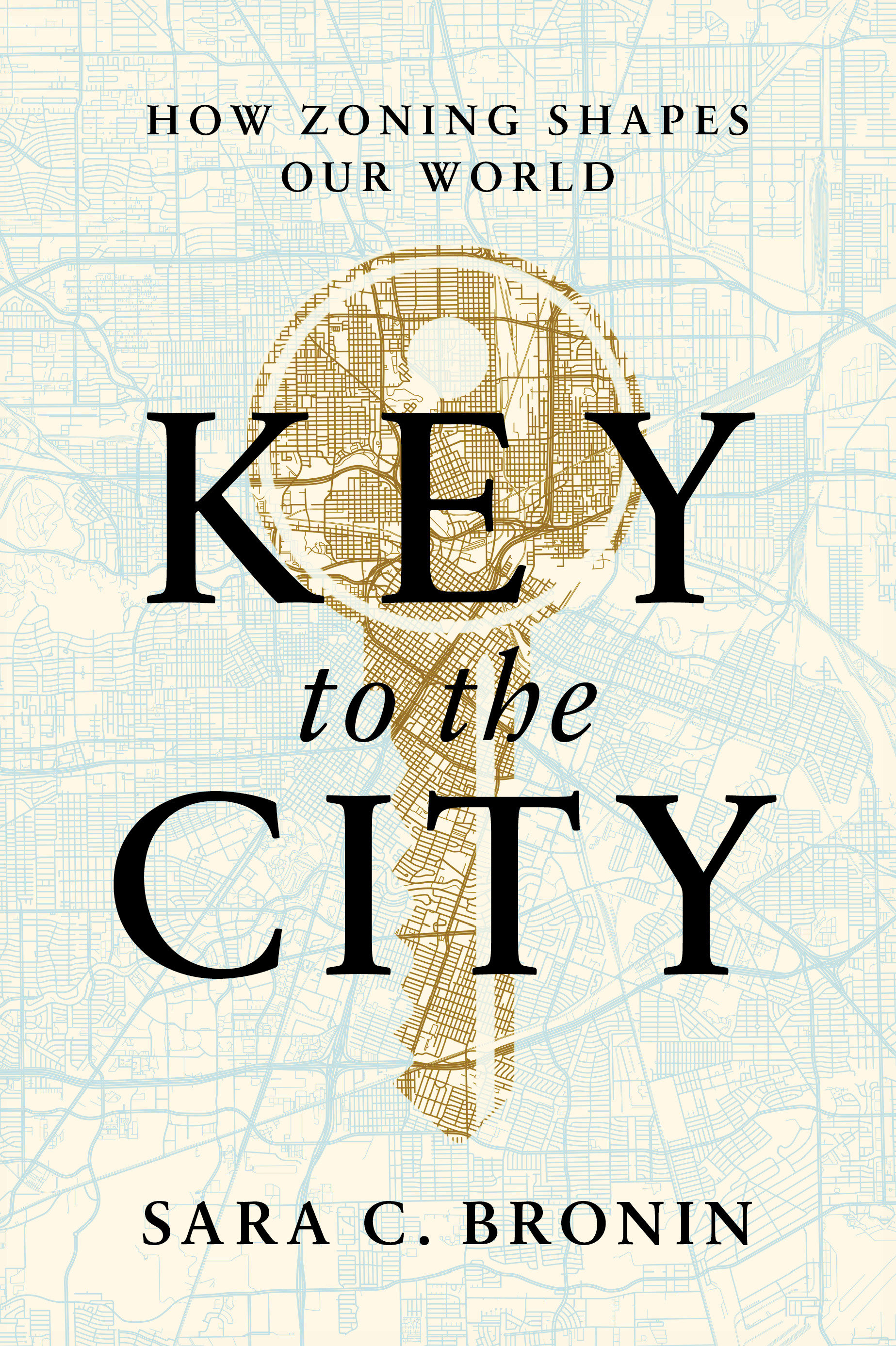
Key to the City
Sara C. Bronin · WW Norton
Affinity signal
Urban Life
Local Government